What if the greatest obstacle to learning to swim isn’t the water itself, but the courage to take that first step? This inspiring journey reveals that regardless of age, water fears can be transformed into confidence and joy through gradual, mindful practice. From overcoming nervousness to mastering breath control and floating techniques, the process emphasizes patience, realistic goals, and support. As learners venture into different environments, their skills become more instinctive, turning water from a source of anxiety into a space of freedom and adventure. With innovative tools like virtual coaching and community programs on the rise, the future promises even more accessible paths to water confidence. This isn’t just about swimming; it’s about reclaiming resilience, safety, and the thrill of discovery—showing that at any age, the leap into the water can be the start of a lifelong journey of growth and empowerment.
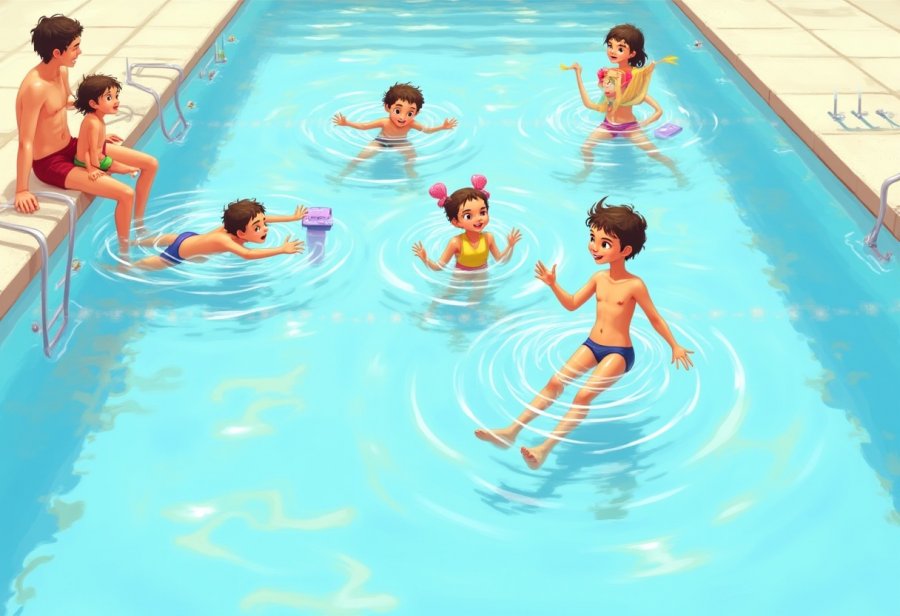
Embark on Your Life-Changing Water Confidence Journey
Learning to swim isn’t just a childhood milestone; it’s a skill that can be embraced at any age. For many adults, water-related fears linger from past experiences or unfamiliarity, making the thought of stepping into a pool intimidating. But the truth is, it’s never too late to start. Taking that first cautious step—whether sitting at the pool’s edge, splashing water on your face, or floating for a few seconds—lays the foundation for building water confidence. These small acts gradually replace anxiety with trust, creating a sense of mastery that grows with each effort.
The journey often begins with understanding that fears are normal. Water can evoke a wide range of emotions, from nervousness to outright panic, especially if previous encounters with water were negative or dangerous. Recognizing these feelings as part of the process helps to normalize the experience. Facing them step-by-step, in manageable doses, makes the task less overwhelming and more approachable. Patience and persistence are key—each small victory, like floating unaided or taking a few strokes, reinforces your ability to stay calm and in control.
Learning to swim at any age is about more than just acquiring technical skills; it’s about cultivating confidence and resilience. When you see yourself successfully floating or moving across the water, you realize that fears don’t have to hold you back. That sense of achievement often spills over into other areas of life, encouraging a mindset of growth and adaptability. It’s empowering to discover that even starting from scratch, progress is possible—step by step, at your own pace.
The process is inherently gradual. It’s about progress, not perfection. Every time you face the water with an open mind and a willingness to learn, you’re building a stronger connection to it. Support from instructors, friends, or family can make a significant difference, offering reassurance and encouragement along the way. Remember, every adult swimmer was once a beginner—what matters most is your commitment to moving forward, no matter how small the steps.
This journey isn’t just about safety or physical health; it’s about reclaiming a part of yourself that might have felt lost or out of reach. Water offers a space of weightless freedom, where movement can become joyful rather than frightening. As skills develop, swimming transforms from a source of anxiety into a source of relaxation and joy. It’s a personal revolution—turning water from a barrier into a bridge to new experiences, confidence, and a lifelong love of the water.
Every adult has the capacity to learn and grow in the water. Approaching this journey with openness and patience means more than just acquiring a skill—it’s about discovering your own resilience. The water’s edge is just the beginning of a path that can lead to a lifetime of enjoyment, safety, and personal achievement. With each small step, you’re rewriting your story, proving that it’s never too late to embrace the water and all the confidence it can bring.
Essential Principles to Begin Your Swimming Adventure
Before stepping into the water, cultivating the right mindset is essential. Approaching swimming with patience, openness, and a willingness to face fears sets a strong foundation for learning. Recognize that setbacks and slow progress are part of the process—every step forward, no matter how small, counts. Maintaining realistic expectations helps you stay motivated and reduces frustration, making the journey more manageable and enjoyable.
Safety awareness is a crucial part of preparing to learn. Understanding basic water safety rules—such as never swimming alone and knowing your surroundings—creates a secure environment for growth. Respect your comfort zone and avoid rushing into deeper waters too quickly; building trust takes time, and rushing can increase anxiety. Starting with small acts like sitting at the pool’s edge or splashing water on your face helps you become familiar with water gradually and safely.
Setting clear, achievable goals provides purpose and direction. Whether it’s floating unaided, mastering breathing techniques, or simply feeling comfortable in shallow water, having specific milestones keeps you focused. Breaking these goals into manageable steps and celebrating each success boosts confidence and reinforces your progress. Remember, every swimmer begins as a beginner—patience and persistence are your best tools.
Adopting a beginner’s attitude is vital. Accept that making mistakes is natural and part of the learning curve. View hesitations and slips as opportunities to improve, not failures. Supportive instruction and a positive environment further strengthen your confidence, especially during challenging moments. Progress isn’t about speed; it’s about consistency and resilience, which ultimately lead to lasting water confidence.
Mental preparation plays a key role in reducing anxiety. Visualizing successful outcomes—such as floating calmly or taking confident strokes—can help calm nerves before entering the water. Deep breathing exercises promote relaxation and focus, making it easier to stay centered. Combining mental readiness with small, consistent actions accelerates confidence-building and helps transform water from a source of fear into a space of growth.
Building water confidence is a gradual process rooted in regular, mindful practice. Focus on feeling comfortable and in control, rather than perfecting techniques right away. Each session, whether it’s floating or practicing breathing, reinforces trust in your abilities. Over time, these small efforts accumulate, creating a strong foundation that supports more advanced skills and deeper water comfort.
Flexibility is key; if a particular step feels overwhelming, pause and revisit it later. Adjust your pace to match your comfort level without pressure. Patience and persistence turn initial fears into confidence, gradually making water a place of freedom and enjoyment. Trust in your ability to learn and grow—each effort brings you closer to mastering water and discovering its many rewards.
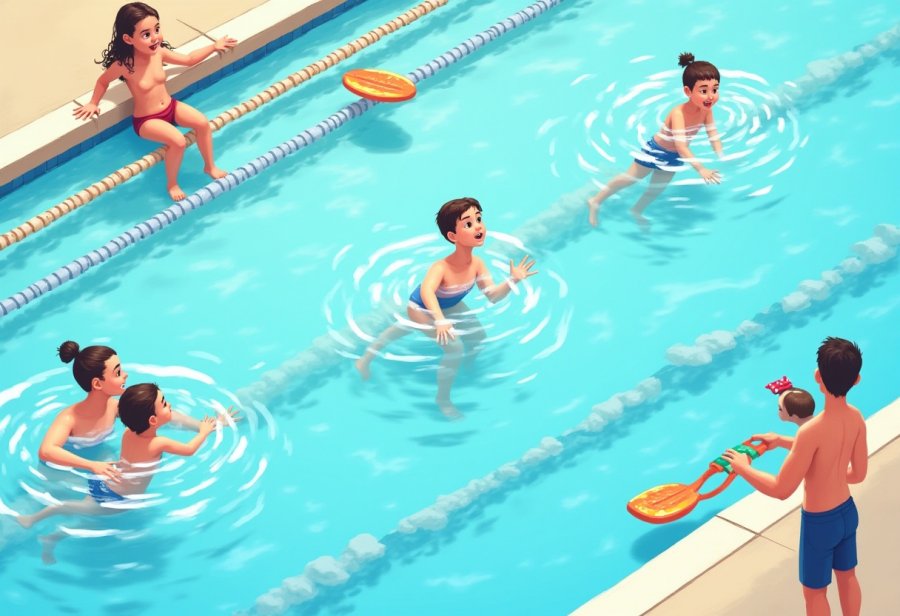
Step-by-Step Strategies to Master Swimming Skills
Learning to swim might seem overwhelming at first, but breaking it down into simple, manageable steps makes the process much more approachable. Start by getting comfortable with the water—sit at the pool’s edge, splash your face, or dip your toes in. These small acts help you become familiar with the water’s sensation and gradually build trust in your environment. Once you feel at ease, focus on mastering basic skills like floating on your back and stomach, which are essential for safety and confidence. Practicing gentle kicks on a kickboard can help you develop a rhythmic motion without feeling overwhelmed.
Next, prioritize your breathing. Learning to breathe steadily and calmly while in the water is key to reducing panic and staying relaxed. Try inhaling slowly through your mouth or nose and exhaling fully underwater or on the surface. As your breathing improves, you’ll find it easier to stay calm during more advanced movements. Don’t rush to combine strokes right away; instead, master each component separately. When floating and breathing become comfortable, start practicing simple strokes like freestyle or breaststroke in short distances, gradually increasing your confidence with each attempt.
Seeking out beginner-friendly classes or lessons designed for adults can make a big difference. An experienced instructor provides personalized guidance, reassurance, and feedback that can accelerate your progress. Remember, slow and steady wins the race—progress isn’t measured by speed but by consistency. Celebrating small victories, such as floating unaided or completing a few strokes, keeps motivation high and reinforces your sense of achievement. Keep in mind that every swimmer started as a beginner, and persistence is the most important ingredient.
Expect challenges along the way. Feelings of frustration or nervousness are normal, but they’re part of the learning process. When you hit a rough patch, take a step back, breathe deeply, and revisit the basics. Supportive tools like kickboards, floaties, or goggles can help you feel more secure as you explore new skills. Over time, reliance on these aids decreases as your confidence grows. Consistent practice in different water settings—whether in a pool or a safe, shallow lake—helps your mind and body adapt, making your skills more instinctive.
Applying what you’ve learned outside of structured lessons is crucial for building long-term water confidence. Practice floating or breathing exercises in familiar environments before venturing into new ones. When you’re in the water, remind yourself of your progress and trust in your abilities. If anxiety creeps in, pause, take a few deep breaths, and return to your favorite calming technique. Repeating these steps across various settings reinforces your skills and prepares you for unexpected situations, turning water from a source of fear into a place of joy.
Sharing your progress with friends or family can make the experience more enjoyable and less intimidating. Having someone nearby who understands your goals provides reassurance and encouragement. They can help you navigate unfamiliar water environments and celebrate your milestones. This social support transforms learning into a shared adventure, making water feel more welcoming. As your confidence builds, you’ll find yourself eager to explore new water activities, turning initial fears into excitement and curiosity.
Consistent, mindful practice is the key to turning water confidence into a lasting trait. Whether floating in a pool, paddling in a lake, or enjoying a day at the beach, each session reinforces trust in your abilities. Remember, every small effort counts—over time, these moments add up to a profound shift from anxiety to enjoyment. With patience, persistence, and a positive mindset, water becomes a space of freedom and fun, opening doors to lifelong adventures and safety.
Practical Ways to Apply Water Confidence Techniques in Real Settings
Once you’ve built a solid foundation of water confidence techniques, the next step is to apply them in real-world settings. Consistent exposure to different environments—such as local pools, calm lakes, or even the ocean—helps your skills become more instinctive and adaptable. Start in familiar, safe spots where you feel comfortable, then gradually venture into new waters. This gradual approach prevents overwhelm and reinforces your abilities step by step, making each experience more natural and less intimidating.
Using supportive tools like kickboards, floaties, or goggles can boost your confidence as you explore unfamiliar environments. These aids provide extra security when practicing strokes, breathing, or floating, allowing you to focus on technique without distraction. Over time, aim to rely less on these supports, trusting your skills and body’s responses more. Maintaining calm, controlled breathing and relaxed movements is key, regardless of the water setting. With regular practice across different environments, your reactions become more instinctive, and your confidence deepens.
Applying your techniques outside structured lessons is vital for long-term success. Before swimming in a new place, spend a few moments practicing floating or breathing exercises in familiar surroundings. When you’re in unfamiliar water, remind yourself of your progress and trust in what you’ve learned. If nerves start to rise, pause, take deep breaths, and reconnect with your calming routines. These small steps help you stay centered, transforming new waters from sources of anxiety into opportunities for growth.
Sharing your progress with friends or family can make a big difference. Having someone nearby who understands your goals offers reassurance and encouragement. They can help you navigate uncertain environments and celebrate your milestones, making water outings more enjoyable. This social support turns learning into a shared experience, fostering a positive attitude toward water and helping you stay motivated. As your confidence builds, you’ll find yourself more eager to explore different water settings, turning initial fears into excitement.
With consistent effort and mindful application of your skills, water confidence becomes more natural and resilient. Whether you’re swimming in a pool, paddling in a lake, or enjoying a day at the beach, each practice session reinforces your trust in your abilities. Over time, water stops being a source of fear and becomes a space of freedom and fun. The key is to stay patient, keep practicing, and embrace each new experience as part of your ongoing journey toward lifelong water confidence and joy.
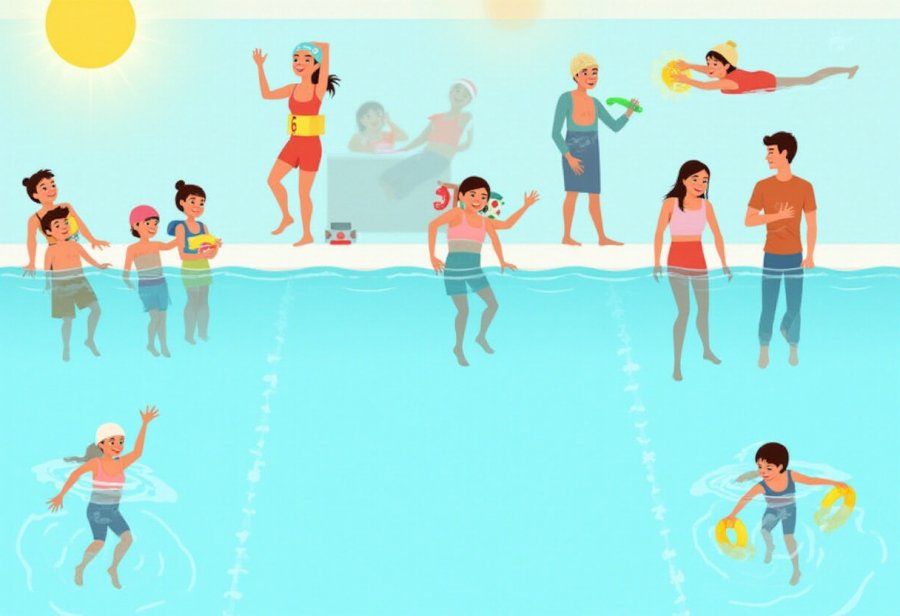
Looking Ahead: Innovations and Trends in Adult Swimming Education
As interest in adult swimming continues to grow, the future of water confidence education looks more promising than ever. Innovations like virtual reality simulations and personalized coaching are making learning more engaging and tailored to individual needs, helping newcomers overcome fears more efficiently. These tools reduce anxiety by offering safe, controlled environments where adults can practice at their own pace, building trust and confidence before venturing into real water settings.
Alongside technological progress, community programs and online resources are expanding access, making it easier for learners to find support regardless of their location or background. Group classes, buddy systems, and social networks foster a sense of belonging that motivates persistence. Sharing milestones and encouraging each other transforms the journey from a solitary challenge into a shared adventure, making water confidence more achievable and enjoyable for everyone.
A notable trend is the increased emphasis on water safety alongside skill development. As awareness of drowning risks and water-related accidents rises, more adults recognize the importance of learning not just for recreation but for safety. Courses now often combine technical instruction with calming techniques like visualization and breathing exercises, helping learners stay relaxed even in unfamiliar or challenging environments. This holistic approach ensures that confidence isn’t just about movement but about feeling secure and in control.
The cultural shift toward health, active aging, and wellness also fuels the momentum. Swimming offers a low-impact, full-body workout accessible to all ages, promoting inclusivity and diversity in classes. As more adults see water confidence as an attainable goal, communities become more supportive and welcoming, encouraging lifelong engagement with water activities. This broader perspective transforms swimming from a skill learned in youth to a lifelong source of health, joy, and resilience.
Looking ahead, blending technology with human support will keep shaping adult swimming education. AI-driven feedback, virtual reality modules, and online tutorials will complement traditional classes, offering flexible options for busy schedules. These hybrid models will make water confidence accessible to a wider range of people, regardless of their starting point or circumstances. As barriers continue to fall and resources multiply, more adults will discover that conquering fears and learning to swim is possible at any age, opening doors to lifelong enjoyment and safety in the water.