Transforming Toronto yards into lush, sustainable retreats goes beyond mere aesthetics—it’s about crafting personalized sanctuaries that harmonize beauty with eco-responsibility. How can homeowners balance striking design with environmental stewardship amidst Toronto’s unique climate challenges? This guide reveals how native plants, permeable surfaces, and smart irrigation form the foundation of resilient landscapes that thrive year-round. Precision in planning, meticulous installation, and ongoing maintenance ensure these outdoor spaces are not only visually stunning but also environmentally beneficial. But what innovations lie ahead that will further elevate sustainable landscaping? As technology advances and eco-friendly materials become more accessible, Toronto’s green spaces can evolve into vital habitats supporting local ecosystems. Embracing continuous learning and adaptive practices, designers and homeowners alike can create vibrant, resilient yards that reflect a forward-thinking approach—where beauty, sustainability, and personal refuge coexist seamlessly, transforming urban outdoor living into a powerful statement of ecological harmony.
Transform Your Toronto Backyard with Expert Landscaping Solutions
Looking to elevate your outdoor space? Toronto Landscape & Design (TLD) offers exceptional backyard makeover services in Toronto, specializing in natural stone installations, water gardens, irrigation systems, and retaining walls. Our award-winning designers take everything into consideration, ensuring each project reflects your unique style and the natural beauty of your surroundings. Whether you want a serene water feature or durable retaining walls, TLD delivers craftsmanship and creativity that transform your backyard into a personal oasis. Contact us today at [email protected] or call 1.416.644.0499 to start your dream backyard transformation.
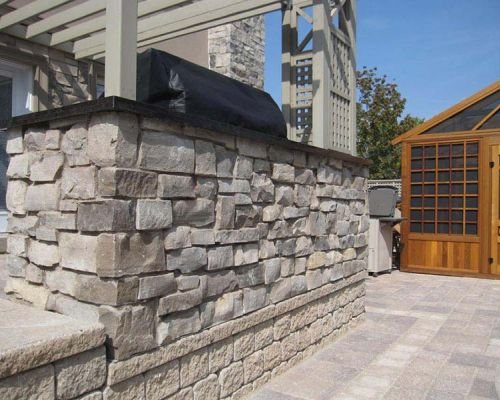
Transform Your Toronto Yard into a Personal Sanctuary
Transforming outdoor spaces in Toronto means more than just planting a few flowers or adding a patio. It’s about creating personal retreats that elevate daily life while respecting the environment. In a city as vibrant and diverse as Toronto, a well-designed yard offers a peaceful escape from urban noise—a place to unwind, entertain, or connect with nature without leaving the city behind.
The goal isn’t solely about aesthetic appeal. While a beautiful yard is important, the focus also lies on making these spaces functional and eco-friendly. An outdoor area that demands constant watering, chemical treatments, or high maintenance isn’t sustainable in the long run. Instead, successful transformations prioritize environmentally responsible choices—using native plants, permeable surfaces, and natural materials—to ensure the space remains inviting, practical, and beneficial to local ecosystems.
Understanding Toronto’s unique climate challenges is essential. Cold winters, humid summers, and unpredictable weather influence plant selections and design features. Native plants, which are naturally adapted to our conditions, flourish with less water and fewer chemicals, supporting biodiversity and reducing upkeep. Thoughtfully incorporating these elements helps your yard stay vibrant year-round, weathering seasonal changes gracefully.
Designing such outdoor retreats involves balancing beauty with practicality. Strategic placement of trees, shrubs, and focal points like water features or lighting creates a sense of flow and harmony. Simplicity often enhances elegance, making spaces feel organized and welcoming without feeling cluttered. Achieving this harmony between form and function results in a yard that’s not only visually appealing but also comfortable and easy to enjoy.
Creating stunning outdoor spaces in Toronto is an ongoing journey of thoughtful design and mindful stewardship. It’s about making choices that support sustainability, promote local ecosystems, and enhance your quality of life. When done right, these yards become more than just attractive landscapes—they become personal sanctuaries that contribute positively to the city’s ecological health and your everyday well-being.
Building Blocks of Eco-Friendly, Stunning Landscapes
Creating a beautiful, sustainable landscape in Toronto begins with understanding some foundational principles that guide successful design. Native plants are central to this approach because they are naturally suited to our climate, thriving with less water, fewer fertilizers, and minimal chemical treatments. Using these plants reduces environmental impact, cuts maintenance costs, and enhances resilience against Toronto’s cold winters and humid summers.
Eco-friendly practices form the backbone of sustainable landscaping. Incorporating water-efficient irrigation systems like drip watering or smart controllers conserves water while keeping plants healthy. Organic soil management—through composting yard waste and using organic fertilizers—supports vigorous plant growth without harmful runoff. Permeable paving materials, such as gravel or porous concrete, help manage stormwater, preventing erosion and easing the load on city drainage systems.
Design principles that balance aesthetics with practicality are key. Arranging plants, pathways, and features thoughtfully creates a natural, inviting flow. Focal points like a striking tree, a small pond, or a sculpture add visual interest without clutter. Proper scale and proportion ensure the space feels balanced and welcoming, avoiding a sense of chaos or overcrowding. Layering different plant types—ground covers, shrubs, and tall trees—adds depth and visual richness, making the landscape feel both lush and cohesive.
Toronto’s climate influences every landscaping decision. Selecting hardy, native plants ensures the yard withstands seasonal extremes and supports local biodiversity. Using natural materials for decks, fences, and furniture further enhances sustainability while adding timeless appeal. These choices not only contribute to environmental health but also create a resilient, low-maintenance space that remains vibrant year-round.
By applying these core concepts, homeowners and landscape professionals can lay a solid foundation for resilient, eco-conscious yards. Thoughtful plant selection, sustainable practices, and balanced design transform ordinary outdoor spaces into vibrant retreats. When integrated seamlessly, these principles foster environments that are not only stunning but also beneficial to Toronto’s ecosystems, ensuring your landscape remains a source of beauty and sustainability for years to come.
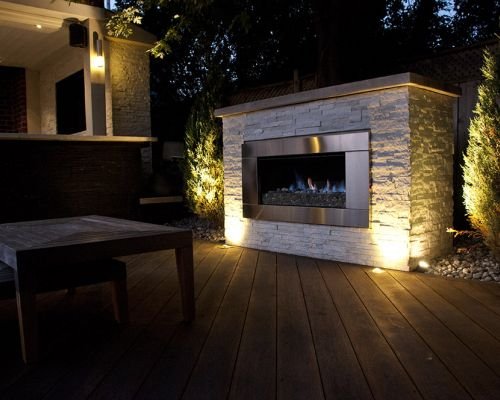
Smart Strategies for Achieving Your Dream Yard
Turning a landscape design into a successful outdoor space in Toronto hinges on careful planning and precise execution. It begins with a thorough analysis of the site—understanding soil conditions, drainage patterns, sunlight exposure, and existing features. This groundwork helps tailor the design to the specific environment, preventing issues during installation and ensuring the final result aligns with the vision. Developing a clear timeline and coordinating with contractors and suppliers keeps the project on track, reducing delays and miscommunications.
Effective communication throughout the process is essential. Regular site visits and updates allow for quick adjustments—whether it’s repositioning a plant or refining a drainage feature—ensuring the project stays true to its goals. Choosing high-quality, site-appropriate materials like native plants and durable paving not only enhances longevity but also maintains aesthetic consistency. Small tweaks during installation can make a significant difference, creating a cohesive, polished look that feels natural and well-integrated.
Close supervision during every stage guarantees that the design translates into reality as planned. Attention to details such as plant placement, feature installation, and soil preparation ensures the finished yard looks and functions as intended. Addressing minor issues early—like adjusting plant heights or fixing drainage—avoids bigger problems down the line. This hands-on approach fosters a sense of cohesion, as if the landscape was always meant to be part of the environment.
Real-world projects in Toronto highlight the importance of flexibility. For example, converting a small backyard into a native plant sanctuary with a pond or permeable pathways required onsite adjustments and ongoing communication with homeowners. Being adaptable during installation allows for responding to unforeseen conditions without compromising eco-friendly goals or aesthetic appeal, ultimately delivering a space that’s both beautiful and sustainable.
Post-installation care is just as vital as the build itself. Regular inspections, pruning, and replacing worn elements keep the landscape healthy and vibrant. Smart irrigation systems that adjust to weather conditions conserve water and reduce waste, while periodic updates—adding native plants or enhancing lighting—help maintain the space’s vitality. A proactive maintenance approach ensures the yard remains a stunning, eco-friendly retreat year after year.
Incorporating client feedback throughout the process creates a collaborative experience, fostering satisfaction and trust. Clear communication about expectations and progress helps align the project with the client’s vision, making adjustments along the way. When the installation respects these input points, the final result feels personalized and well-crafted, strengthening the connection between homeowner and landscape.
Ultimately, successful yard transformations blend thoughtful planning, expert execution, and ongoing care. This approach not only delivers immediate visual appeal but also builds a foundation for sustainability and resilience. By managing each step carefully and maintaining open dialogue, designers and homeowners can create outdoor retreats that are both stunning and environmentally responsible—spaces that grow more beautiful and sustainable over time.
Turning Design Ideas into Reality: Practical Steps
Turning a landscape design into a successful outdoor space in Toronto requires careful execution and close attention to detail. Starting with a thorough analysis of the site—examining soil quality, drainage patterns, sunlight exposure, and existing features like trees or structures—helps tailor the plan to the specific conditions. This understanding ensures that installation proceeds smoothly and that the final result aligns perfectly with the original vision. Developing a clear timeline and coordinating with contractors and suppliers keeps the project on track, minimizing delays and misunderstandings along the way.
Effective communication plays a vital role throughout the process. Regular site visits and updates allow for immediate adjustments, whether repositioning a plant or refining drainage features. This flexibility ensures the project stays true to the design intent and adapts to unforeseen conditions, such as weather challenges or soil behavior. Choosing high-quality, site-appropriate materials like native plants and durable paving enhances the yard’s longevity and aesthetic appeal, making every element feel cohesive and well-integrated.
Close supervision during each stage guarantees that the installation reflects the design with precision. Paying attention to details—such as proper plant spacing, correct feature placement, and soil preparation—creates a polished, natural look that functions seamlessly. Addressing minor issues early, like adjusting plant heights or fixing drainage problems, prevents larger complications later. This hands-on approach builds confidence that the finished yard will be as beautiful and sustainable as envisioned.
Real-world projects in Toronto demonstrate how adaptability during installation can make a significant difference. For example, transforming a small backyard into a native plant sanctuary with a pond and permeable pathways often requires onsite tweaks. Responding promptly to unexpected site conditions or weather disruptions allows the project to stay aligned with eco-friendly goals and aesthetic standards, ensuring a space that’s both functional and visually appealing.
Post-installation care is equally important. Regular inspections, pruning, and replacing worn elements keep the landscape healthy and vibrant year-round. Smart irrigation systems that respond to weather conditions conserve water and reduce waste, while periodic upgrades—adding native plants or enhancing lighting—maintain the space’s vitality. Staying proactive with maintenance ensures your outdoor retreat remains a stunning, eco-friendly haven for years to come.
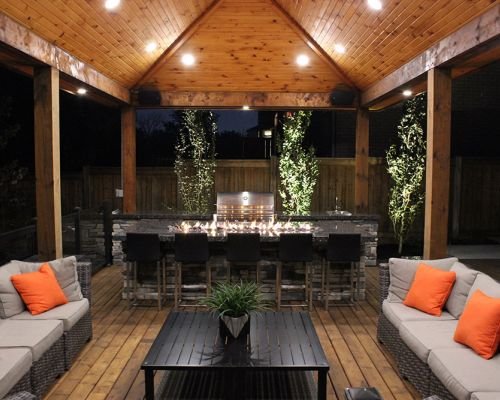
Looking Forward: Innovations and Sustainability in Toronto Landscaping
Creating beautiful, sustainable yards in Toronto is an ongoing journey, not a one-time project. It requires a mindset rooted in continuous learning, adaptation, and a genuine commitment to eco-friendly practices. The foundational principles we’ve discussed—native plants, permeable surfaces, and energy-efficient features—set the stage for outdoor spaces that not only look great but also support local ecosystems and stand the test of time. These strategies make sustainable landscaping a practical goal, enabling homeowners to enjoy lush, vibrant yards while minimizing environmental impact.
Looking ahead, innovations in materials and technology will shape the future of landscape design in Toronto. Drought-tolerant native plants, smart irrigation systems, and recycled or natural building materials are transforming how we create outdoor retreats. Embracing these advancements allows designers and homeowners to push creative boundaries, crafting spaces that are both visually stunning and environmentally responsible. Each project becomes an opportunity to integrate new solutions that promote resilience and reduce resource consumption, ultimately elevating the city’s green footprint.
Prioritizing native plants and sustainable features remains vital. They foster biodiversity, support local wildlife, and improve soil health, all while maintaining a landscape that thrives year-round. By making these eco-conscious choices a standard part of every project, we help cultivate a more harmonious urban environment. This shift toward sustainability isn’t just about individual yards; it’s about fostering a citywide mindset that values resilience, ecological health, and long-term well-being.
Education and resource sharing are key to spreading these principles further. Workshops, online guides, and industry webinars empower both homeowners and professionals to stay informed about best practices. Knowledge about innovative plant varieties, eco-friendly materials, and sustainable techniques accelerates the adoption of responsible landscaping. When more people understand the benefits and methods, it becomes easier to make eco-conscious choices that benefit the entire community.
Maintaining a thriving outdoor retreat isn’t a set-and-forget task. Regular care, such as inspections, pruning, and upgrades, keeps landscapes healthy and vibrant. Being open to adjustments based on weather patterns or evolving needs ensures these spaces remain resilient and enjoyable over time. A proactive approach to maintenance helps prevent issues before they arise and keeps the landscape aligned with sustainability goals.
Finally, the future of Toronto’s outdoor spaces lies in a blend of creativity and responsibility. By continuously exploring new ideas and embracing eco-friendly innovations, homeowners and designers can create retreats that grow more beautiful and sustainable each year. These spaces become a reflection of thoughtful stewardship—places where nature and design coexist harmoniously, enriching both the environment and the quality of urban life.