In a world dominated by screens and digital interactions, the simple act of tending a garden together emerges as a profound pathway to healing and deepening human bonds. Could nurturing life outdoors unlock the emotional resilience we often seek? This exploration reveals how collaborative gardening fosters patience, empathy, and honest communication, transforming shared effort into a foundation for trust. Rooted in ancient traditions and supported by modern science, gardening acts as a natural therapy—reducing stress, boosting mood, and offering a sanctuary for emotional recovery. Whether tending a vegetable patch or a flower bed, this mindful activity nurtures not only plants but also relationships, encouraging vulnerability and mutual support. As community programs and technological innovations expand access, gardening’s power to promote resilience and compassion becomes more accessible and vital than ever. In cultivating soil, are we also nurturing kindness, hope, and connection—traits essential for overcoming life’s emotional challenges? The answer may lie just outside our door.
Planting Connections: How Gardening Fosters Deep Relationships
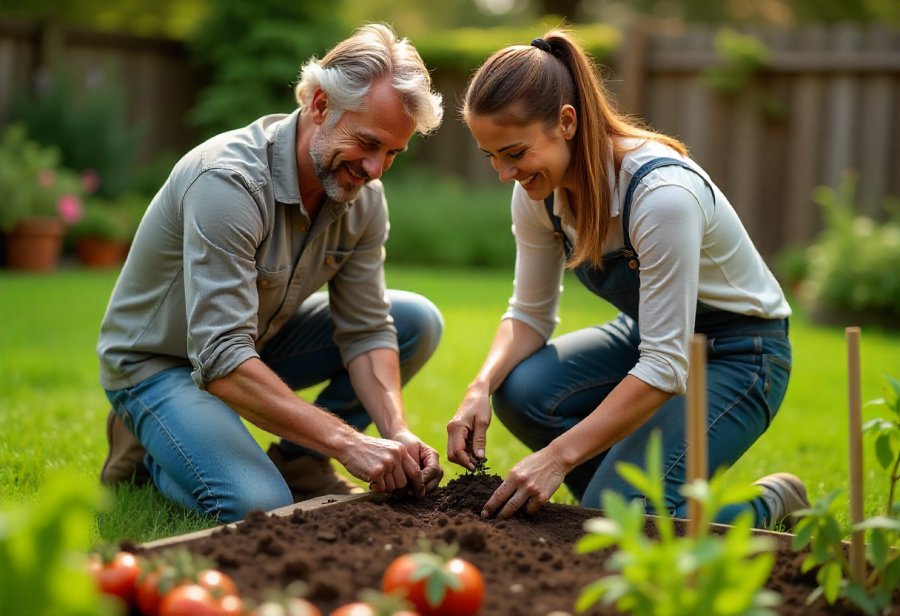
Gardening isn’t just about growing plants; it’s a quiet yet powerful way to forge deeper connections and find personal peace. When people work together outdoors—whether planting seeds, watering, or caring for a garden—they create a space where conversations flow more naturally and relationships strengthen. Sharing the physical act of nurturing life encourages patience and cooperation, qualities that often translate into emotional closeness. It’s a simple act, but one that mirrors the care needed in our relationships, fostering trust and understanding in a relaxed setting.
In today’s digital world, many of us feel increasingly disconnected, caught up in screens and virtual interactions. Gardening offers a grounding escape from this noise. It reconnects us with the physical world—touching soil, feeling the sun, hearing birds—which naturally cultivates mindfulness and presence. Working side-by-side outdoors encourages eye contact and genuine communication, creating a level of connection that digital conversations often lack. This shared activity becomes a form of therapy, helping us reconnect with others and with nature in a meaningful way.
What makes gardening especially effective for relationship building is its focus on nurturing and patience. Watching tiny seeds grow into flourishing plants requires consistent care and hope—qualities that can deepen bonds when shared. Whether tending a vegetable patch or flower bed, these moments of shared effort not only produce beauty but also foster empathy and mutual support. Tending to life outdoors becomes a gentle foundation for emotional healing, reminding us that growth, like relationships, takes time and effort.
Gardening’s roots as a healing activity run deep through history. Cultures across the ages have used gardens as spaces for reflection, renewal, and community. Ancient civilizations valued gardens as restorative environments that helped people cope with stress and chaos. Modern science now confirms what many have known instinctively: engaging with plants reduces stress hormones, boosts mood, and creates a sense of belonging. When we tend to a garden together, we tap into this timeless tradition, turning outdoor work into a pathway for emotional resilience and deeper bonds.
Ultimately, gardening offers more than just a way to grow food or flowers—it provides a means to grow closer to others and to ourselves. Sharing the act of tending to life outdoors creates opportunities for honest conversations, patience, and mutual care. In a world where fleeting connections are common, planting seeds together reminds us that meaningful relationships require time, effort, and a little dirt. It’s a simple, accessible way to foster deeper relationships and promote healing—one garden at a time.
Roots of Healing: The History and Psychology Behind Gardening
Gardening has been a vital part of human life for thousands of years, not just for sustenance or beauty but as a space for healing and emotional renewal. Ancient civilizations like Egypt, Greece, and China valued gardens as sacred places where people could reconnect with nature and find inner peace. These spaces weren’t merely aesthetic—they served as restorative environments that helped individuals cope with stress, chaos, and emotional turmoil. This deep-rooted tradition shows that the idea of gardening as a healing activity isn’t new; it’s embedded in our collective history and cultural memory.
Psychologically, gardening engages our senses and encourages mindfulness. When tending to plants—touching soil, smelling blossoms, listening to birds—we become fully present. This sensory immersion reduces feelings of anxiety and mental clutter, grounding us in the here and now. Caring for living things fosters empathy and patience, qualities that naturally extend into our relationships. Watching a tiny seed grow into a thriving plant can evoke a sense of accomplishment and control, bolstering self-esteem and emotional resilience.
Modern scientific research supports these age-old insights. Studies show that spending time in green spaces lowers cortisol levels—the hormone linked to stress—and improves mood. Engaging with plants activates brain regions associated with reward and positive emotions, producing a calming effect. For many, gardening becomes a form of outdoor therapy, helping process emotional wounds and fostering a sense of belonging. This evidence confirms what centuries of tradition have long suggested: that nurturing nature nurtures us in return.
The social aspect of gardening also plays a crucial role in emotional bonding. Working together in a garden encourages open communication, teamwork, and mutual support. Whether tending a shared vegetable patch or a community flower bed, these collaborative efforts build trust and patience. Such shared nurturing creates a safe space for emotional vulnerability and honest conversations, strengthening bonds and promoting healing. It’s not just about plants—it’s about cultivating kindness, understanding, and resilience in each other.
Throughout history, gardens have symbolized renewal, growth, and hope. From sacred groves to public parks, these spaces have been active sites for reflection and community gathering. Today, as awareness of mental health deepens, we rediscover how powerful these environments can be for emotional recovery. Scientific evidence continues to validate the timeless truth: that tending to plants is a profound act of self-care and social connection, capable of transforming wounds into growth and fostering a sense of shared strength.
Nature’s Therapy: Scientific Evidence of Gardening’s Emotional Benefits
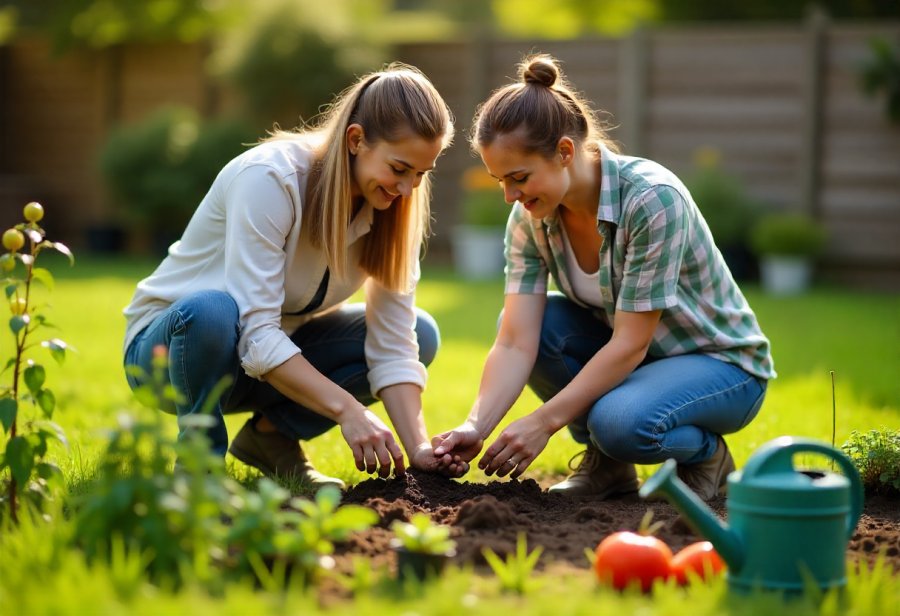
Research consistently shows that gardening has a tangible effect on emotional health and relationship dynamics. Spending time with plants reduces stress hormones like cortisol, helping people feel calmer and more centered. This physiological response makes gardening a natural form of stress relief, creating a sense of peace that can ripple into personal connections. When individuals work together tending plants, the shared effort fosters open communication, teamwork, and mutual support—key ingredients for building trust and emotional resilience.
Numerous case studies highlight how gardening can transform relationships. Couples facing communication hurdles often find that working side by side in a garden opens pathways for honest dialogue and emotional reconnection. Community projects involving diverse groups demonstrate how collective gardening efforts break social barriers, reduce feelings of isolation, and foster understanding. These stories reveal that caring for plants isn’t just a hobby—it’s a catalyst for emotional healing and stronger bonds.
Scientific research reinforces these observations. Green space exposure has been linked to decreased symptoms of depression and heightened feelings of happiness. The small victories in gardening, like seeing a sprout emerge or a flower bloom, boost confidence and create a sense of achievement. This progress nurtures hope and resilience, especially during challenging times. Furthermore, the mindful act of focusing on soil, plants, and nature encourages present-moment awareness, which supports emotional processing and reduces mental clutter.
Beyond individual benefits, gardening nurtures social bonds. Working together outdoors cultivates patience, empathy, and shared purpose—all vital for healing emotional wounds. Whether tending a communal vegetable patch or a flower garden with loved ones, these activities create a safe space for vulnerability and honest conversations. Over time, this shared nurturing deepens trust and understanding, making relationships more resilient against life’s stresses.
The evidence makes it clear that gardening functions as a powerful therapeutic tool. Its combination of sensory engagement, collaborative effort, and mindfulness delivers a holistic approach to emotional and relational healing. Even simple acts like planting a seed or watering a plant can foster patience and kindness—traits that naturally extend into everyday interactions. In a world often characterized by disconnection, gardening offers a practical, accessible way to reconnect with ourselves and others.
As awareness of mental health and emotional well-being grows, the potential for gardening to serve as a healing practice expands. It’s more than just a pastime; it’s a meaningful activity that promotes patience, empathy, and hope. Whether done alone or with others, caring for plants creates opportunities for emotional release, growth, and shared joy. These moments of tending and nurturing can transform wounds into new beginnings, reinforcing the power of nature to heal.
In the end, the impact of gardening on emotional health is profound. It’s a simple act with the capacity to rebuild trust, foster understanding, and cultivate resilience. As communities and individuals embrace this natural approach, they not only grow healthier plants but also stronger, more compassionate relationships. The evidence is clear: tending to a garden isn’t just about growing food or flowers—it’s about growing kindness, patience, and hope within ourselves and with those around us.
Growing Bonds: Practical Ways to Use Gardening for Healing and Connection
Getting started with gardening as a way to build bonds doesn’t need to be complicated. Picking a simple project, like planting herbs in containers or creating a small vegetable patch, makes it accessible and fun for everyone involved. Keeping the scope manageable and using basic tools helps prevent it from feeling overwhelming. Setting aside regular times—whether weekends or evenings—turns gardening into a routine that fosters consistency and shared commitment.
Encouraging open communication from the outset deepens the experience. Talk about what each person hopes to gain—whether it’s relaxation, learning a new skill, or simply enjoying quality time together. As you plant, water, and tend, celebrate small victories, like the first sprout or a blooming flower. These moments of progress boost morale and reinforce positive feelings, strengthening the connection between everyone involved.
Shared gardening naturally opens doors to deeper conversations and trust. For couples, tending a vegetable garden or flower bed can create space for honest dialogue and emotional closeness. For families or friends, a community plot encourages collaboration and breaks down barriers, turning outdoor work into meaningful bonding. It’s about more than the plants—it’s about nurturing relationships through shared effort and growth.
Not everyone has access to outdoor space or the physical ability to garden easily. Limited yard space, busy schedules, or physical constraints can seem like hurdles. Container gardening or balcony setups are excellent alternatives that make gardening inclusive. Flexibility in project scope ensures more people can participate, making the emotional and relational benefits accessible to all.
Start small with easy-to-grow plants like herbs or lettuce. Focus on the process—planting, watering, watching life unfold—rather than perfection. This approach keeps the activity light and enjoyable, encouraging participation without pressure. When the goal is enjoyment and connection, the act of caring becomes its own reward.
Inviting others into planning and decision-making fosters motivation and shared ownership. Brainstorming ideas and setting collective goals helps build teamwork and enthusiasm. When everyone feels involved, the garden becomes a shared space of growth—not just for plants but for relationships as well.
Leveraging community resources can make gardening even more accessible. Local parks, botanical gardens, and nonprofits often offer starter kits, workshops, or shared plots designed for therapeutic or community use. Online groups and social media communities provide tips, support, and encouragement, helping beginners stay motivated. These resources spread the message that caring for plants is a simple, powerful way to nurture emotional connections and healing.
Cultivating the Future: Embracing Collaborative Gardening for Resilient Communities
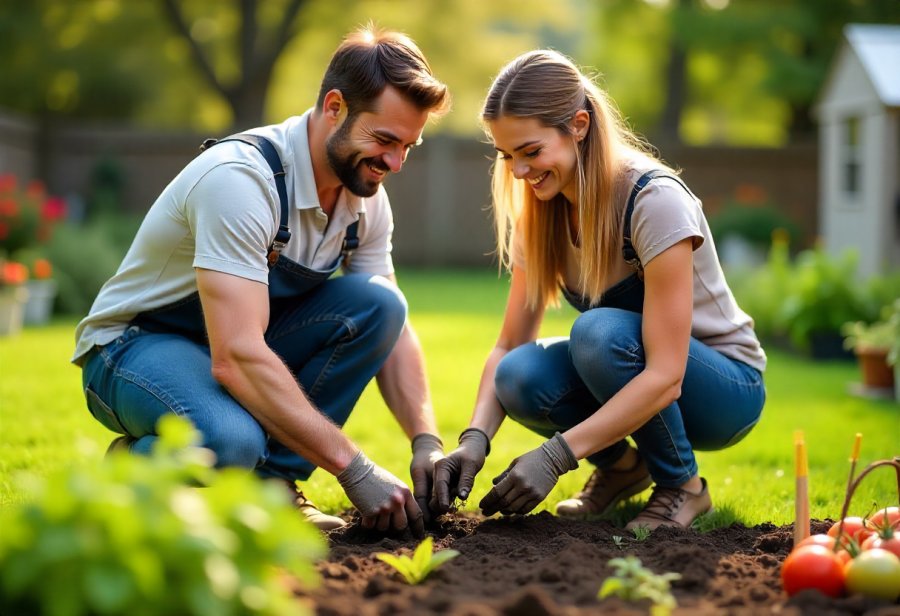
Working side by side in a garden fosters more than just plant growth—it builds trust, communication, and emotional resilience. Shared effort in tending to plants encourages patience and understanding, creating a foundation for deeper bonds. These simple acts of nurturing life together serve as gentle reminders that meaningful relationships grow through time, effort, and care.
As awareness of mental health and community well-being expands, the potential of garden-based activities to promote healing becomes even clearer. More programs and initiatives are emerging that harness the power of collaborative gardening to foster inclusion, empathy, and shared purpose. These efforts help bridge gaps across generations and backgrounds, turning outdoor spaces into havens for connection and renewal.
Technology is opening new doors for expanding gardening’s reach and impact. Smart tools, mobile apps, and virtual communities make it easier to participate regardless of physical location or space limitations. These innovations can transform solitary gardening into collective experiences, allowing people to nurture relationships across distances while enjoying the therapeutic benefits of tending plants.
Community gardens, school projects, and intergenerational programs are shaping the future of garden-based healing. These shared spaces promote patience, kindness, and understanding—traits essential for emotional recovery. As more communities embrace these initiatives, they create environments where caring for plants becomes a metaphor for nurturing each other, inspiring resilience and hope.
Despite these promising developments, barriers like limited access to outdoor space or resources remain. However, adaptable approaches such as container gardening and balcony setups ensure that more individuals can experience the benefits. Making gardening accessible and manageable helps spread its healing power to diverse populations, reinforcing that caring for life outdoors is within everyone’s reach.
The act of tending a garden together doesn’t just produce flowers or vegetables; it cultivates kindness, patience, and hope within ourselves and others. These shared moments of growth foster emotional strength, enabling relationships to withstand life’s inevitable challenges. As society recognizes the healing potential of nature, collaborative gardening will continue to be a vital tool for building resilient, compassionate communities.
In the end, the simple act of working in a garden becomes a profound act of connection—an ongoing reminder that growth, both personal and collective, takes time and nurturing. By embracing these outdoor rituals, we nurture not only plants but also the kindness and understanding that bind us. As we look to the future, garden-based healing offers a promising path to more empathetic, resilient lives rooted in nature’s timeless rhythm.