Step into the world of backyard mechanics, where passion transforms humble garages into sanctuaries of craftsmanship and ingenuity. This behind-the-scenes look uncovers the secrets, techniques, and evolving culture that make restoring old machines a deeply personal art. From traditional hand tools to cutting-edge digital diagnostics and 3D printing, how does this blend of old and new shape the future of automotive restoration? The narrative reveals that behind every bolt turned and engine revived lies a profound bond with machinery, fueled by patience, resourcefulness, and love for the craft. As community and technology intertwine, the garage emerges not just as a workspace but as a vibrant hub of innovation and tradition. Can this balance of passion and innovation sustain the timeless spirit of the backyard mechanic, or will new tools redefine what it means to restore? One thing is certain—this space is more than a workshop; it’s a legacy in motion.
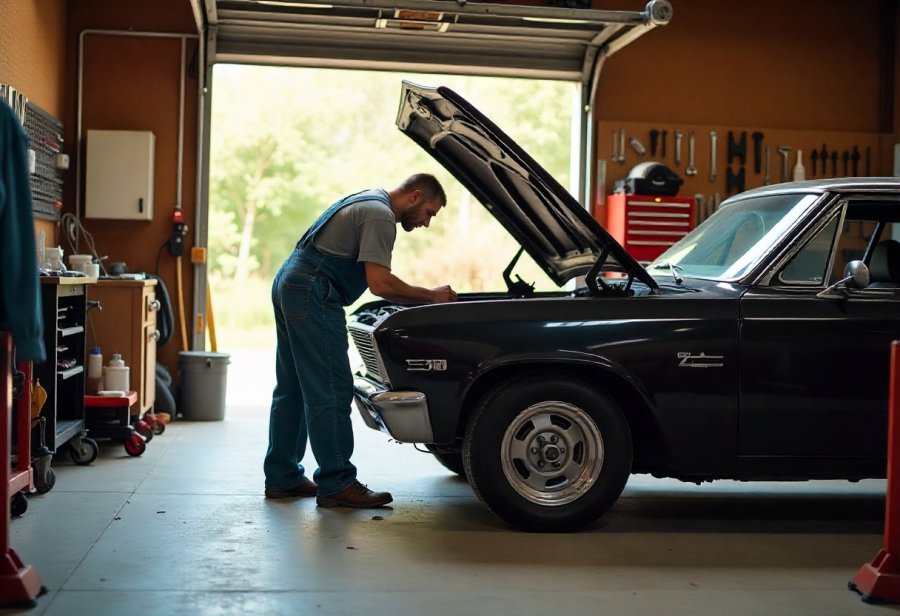
Discover the Sanctuary of Passion and Craftsmanship in Your Backyard Garage
The backyard mechanic’s garage is more than just a space filled with tools and spare parts; it’s a personal sanctuary where a deep love for machines comes to life. It’s a place built over years of tinkering, where passion and craftsmanship blend into a unique environment. Shelves lined with vintage parts and makeshift solutions tell stories of projects past, each piece holding a memory or a lesson learned.
Stepping into this space feels like entering a different world—where time slows, and focus takes over. The air is thick with the scent of oil, grease, and metal, creating an authentic workshop atmosphere. Natural light streams through open doors, illuminating the cluttered workbench, which is home to carburetors, wrenches, and coffee cups. Every item seems to have a purpose, arranged in a way that only makes sense to its owner.
This garage isn’t just about fixing vehicles; it’s about reconnecting with a sense of purpose and creativity. It’s where patience is a virtue, and every bolt turned or wire reconnected feels like a small act of devotion. The space encourages slow, thoughtful work—an act of love for the craft and the machines themselves. It’s a quiet place for problem-solving, where skills are honed and ideas come to life.
Beyond its functional role, the garage acts as a personal museum of craftsmanship. Handed-down tools sit alongside modern gadgets, each piece contributing to a legacy of mechanical mastery. Old, rusted parts waiting for revival rest on shelves, ready to be transformed into something new. Here, neglected relics find new purpose thanks to dedication, patience, and a keen eye for detail.
Comfort and practicality go hand in hand. Warm sunlight filters in, casting a glow over the workspace, while task lamps highlight tiny details. The sounds of engines humming and tools clinking create a rhythmic backdrop—an almost meditative soundtrack to the ongoing dance of repair. Every element, from layout to ambient noise, supports the delicate process of machine revival.
In this garage, craftsmanship isn’t just a skill; it’s a form of personal expression. Each project becomes a story—an act of patience and ingenuity that reflects the mechanic’s love for their craft. It’s a space where old machines are given new life and new stories are written with every turn of the wrench.
More than just a workshop, the garage embodies a way of life. It’s a place where passion fuels patience, and skill transforms into art. For backyard mechanics, it’s a sanctuary—an extension of their love for machines and a testament to their dedication. Here, every project is a step toward preserving history and celebrating craftsmanship.
This space is more than a workshop; it’s a community hub rooted in tradition and driven by innovation. It’s where stories are shared, skills are passed down, and new ideas take shape. The garage remains a vital part of automotive culture—an inspiring haven for anyone eager to discover the secrets hidden behind the ritual of restoring old machines.
Unveiling Hidden Techniques and the Art of Restoration Mastery
Behind every successful backyard restoration lies a collection of hidden techniques and craftsmanship that often go unnoticed. Experienced hobbyists develop an intuitive eye for detail, knowing precisely when to gently polish a surface and when to grind away aggressively. They’ve learned to interpret old manuals, but many have also crafted their own tricks through trial and error, passing down these methods within tight-knit communities. Techniques like electrolysis for rust removal or fabricating custom parts fill the gaps where original components are missing, transforming decay into revival.
The drive to bring a vintage machine back to life goes beyond technical skill; it’s fueled by passion. Restoring a neglected engine or rusty frame becomes a heartfelt project where patience and dedication are paramount. Every bolt tightened and wire reconnected is an act of devotion, elevating routine repairs into acts of craftsmanship. This emotional connection turns mechanical work into a form of artistry, with each project telling a story of resilience and skill.
Assessment and planning are crucial steps that often determine a restoration’s success. Hobbyists begin by carefully examining rusted surfaces or worn-out parts, deciding whether to clean, sand, or replace them. Disassembly reveals hidden issues beneath the surface, allowing for targeted solutions. Techniques like sandblasting or rust converters are common, and the backyard environment offers the freedom to experiment without pressure. Each step transforms deterioration into renewal, driven by ingenuity and patience.
Restoring a vintage vehicle involves meticulous work—removing rust, rebuilding engines, and applying fresh paint. Many rely on wire brushes, chemical treatments, and makeshift tools, improvising solutions to unique challenges. These efforts turn neglected relics into shining examples of craftsmanship, with each successful repair adding to the machine’s history. The process demands problem-solving and innovation, elevating routine tasks into a personal art form.
The environment within a backyard garage fosters creativity and experimentation. Tools are organized yet accessible, and workbenches are cluttered but purposeful. Hobbyists often rely on makeshift solutions, using what’s available to overcome obstacles. This hands-on approach deepens mechanical understanding and builds confidence. Every project becomes a journey of patience, ingenuity, and mastery, where small successes reinforce a love of the craft.
These secret techniques and craftsmanship elevate restoration from simple fixes to a personal art. They turn routine repairs into expressions of skill, passed down through shared wisdom and practice. This quiet mastery is what makes backyard restoration more than a hobby—it’s a tradition rooted in patience, resourcefulness, and love for machines. Through these hidden methods, each project becomes a testament to the mechanic’s dedication and a continuation of a timeless craft.
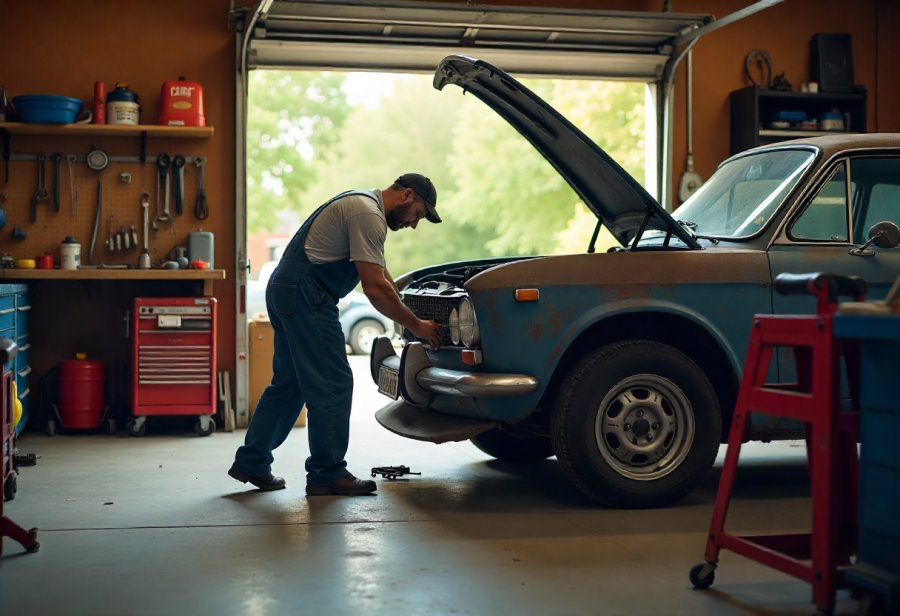
Embracing the Dynamic Spirit of Modern Garage Culture
Today’s garage culture among backyard mechanics is a dynamic blend of tradition and innovation. Many still rely on classic hand tools—wrenches, screwdrivers, and hammers—that have proven their worth over generations. These timeless tools are complemented by modern gadgets like impact wrenches, cordless drills, and angle grinders, which boost efficiency without sacrificing precision. This mix allows enthusiasts to work on everything from vintage cars to rusty frames, making restoration accessible and practical.
At the same time, digital diagnostics are reshaping how backyard restorers troubleshoot issues. Affordable handheld scanners and smartphone apps now help identify electrical glitches or engine troubles quickly and accurately. These tools don’t replace traditional skills but enhance them, making complex repairs less intimidating and more manageable. Better lighting, safety gear, and ergonomic setups have also become standard, creating safer, more comfortable workspaces that invite longer, more focused sessions.
Community plays a vital role in this evolving scene. Online forums, social media groups, and YouTube tutorials foster a sense of shared purpose and continuous learning. Hobbyists exchange tips, showcase projects, and seek advice across borders, breaking down barriers for newcomers eager to dive into restoration. This digital connection keeps the passion alive and fuels innovation, inspiring new techniques and approaches that blend old-school craftsmanship with modern tools.
Responsibility and sustainability are gaining importance as well. Many backyard mechanics now prioritize eco-friendly practices—using biodegradable cleaners, carefully disposing of chemicals, and wearing protective gear. This shift reflects a broader awareness that restoring machines isn’t just about fixing old parts; it’s about doing so thoughtfully, respecting both tradition and the environment. It’s a sign that passion for machines can go hand in hand with ecological mindfulness.
Despite technological advances, the core of garage culture remains rooted in independence, patience, and craftsmanship. The pride in troubleshooting, repairing, and reviving old machines fuels a community that values skill and resourcefulness. Whether wielding a vintage wrench or a high-tech scanner, enthusiasts continue to celebrate the hands-on problem-solving that makes this culture vibrant and enduring.
This scene is also becoming more entrepreneurial. Many hobbyists turn their garage skills into side businesses—fabricating custom parts, restoring vintage vehicles for clients, or selling rare components online. These endeavors show how passion can translate into opportunity, blending craftsmanship with commerce. As new tools and techniques emerge, backyard mechanics keep pushing boundaries, ensuring this tradition remains relevant and inspiring for generations to come.
Applying Garage Skills to Real-World Repairs and Community Connections
Backyard restoration skills extend far beyond the workshop—they’re practical tools for everyday life that foster independence and confidence. When a car starts acting up, many enthusiasts can step in and handle basic maintenance like oil changes, filter replacements, or tightening loose bolts. These small, routine tasks keep vehicles running smoothly and save money, turning car care into a manageable, even enjoyable, part of daily routines rather than a source of stress.
The same hands-on approach applies to lawn equipment and outdoor tools. Whether fixing a mower’s engine or replacing a worn-out belt on a snow blower, backyard mechanics can troubleshoot and repair on their own. This ability minimizes downtime, keeps outdoor spaces ready for use, and reduces reliance on expensive service visits. It’s about creating a sense of self-reliance that makes everyday chores less daunting and more satisfying.
Many hobbyists find value in helping friends and family with repairs, turning their skills into acts of service that strengthen bonds. Restoring a vintage bicycle for a neighbor or fixing an old tractor for a relative not only sharpens their craft but also builds community. These small acts of expertise often lead to new opportunities, turning a hobby into a side hustle—whether fabricating custom parts or restoring vintage vehicles for clients.
The knowledge gained through garage projects also opens doors to entrepreneurial ventures. Some turn their passion into income by selling spare parts online, offering restoration services, or creating custom components. Each successful project builds confidence and reputation, demonstrating how practical skills developed in the garage can translate into real-world income, all while doing what they love.
Every project in the garage teaches patience, precision, and problem-solving. Carefully removing rusted bolts or improvising solutions when parts are hard to find deepens mechanical understanding and hones critical thinking. Over time, these small, practical tasks become a foundation for tackling larger, more complex projects with confidence and skill.
These hands-on experiences foster a mindset that values resourcefulness and ingenuity. Restoring old machines isn’t just about fixing—they’re about revitalizing. Whether it’s a vintage engine or a simple lawnmower, the lessons learned are universally applicable, making everyday repairs easier and more intuitive.
In the end, the skills cultivated in the garage empower individuals to handle their own repairs and maintenance, saving money and time. They also reinforce a sense of pride in craftsmanship and self-sufficiency. Practical garage knowledge becomes part of a larger lifestyle—one rooted in resourcefulness, passion, and the joy of bringing machines back to life, no matter the challenge.
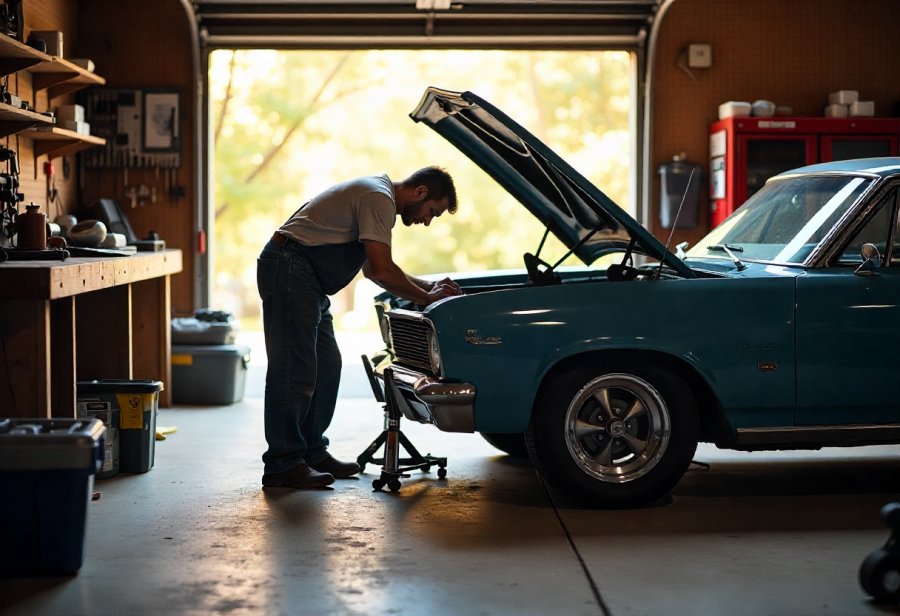
Envisioning the Future of Backyard Mechanics and Innovation
Looking ahead, the landscape of backyard mechanics is set to evolve in ways that blend time-honored skills with cutting-edge technology. Digital diagnostics, once reserved for professional garages, are becoming increasingly affordable and user-friendly for hobbyists. Handheld scanners and smartphone apps now allow backyard restorers to troubleshoot electrical and engine issues with greater accuracy and speed, making complex repairs more approachable. This integration of tech tools complements traditional craftsmanship, enabling enthusiasts to push projects further without sacrificing their personal touch.
Meanwhile, innovations like 3D printing are transforming how vintage parts are restored. When original components are scarce or damaged beyond repair, the ability to print custom replacements offers a new level of precision and authenticity. This technology helps preserve the character of classic machines while reducing costs and wait times. Paired with a growing emphasis on eco-friendly practices—such as biodegradable cleaners and sustainable materials—these advances reflect a shift toward more responsible restoration that respects both history and the environment.
Community remains at the core of this changing scene. Online forums, social media groups, and tutorial channels create a global network of sharing and learning. Hobbyists exchange ideas, showcase their projects, and troubleshoot together, breaking down geographical barriers. This digital camaraderie fuels innovation, inspires experimentation, and keeps the passion alive across generations. It also fosters a sense of collective pride in craftsmanship, ensuring that the tradition of backyard restoration continues to thrive.
Looking even further, smarter tools are on the horizon. Sensors guiding torque settings, automated assembly systems, and augmented reality overlays could soon make intricate repairs more straightforward. These innovations promise to reduce barriers for aspiring restorers while maintaining the integrity of traditional skills. As technology becomes more accessible, tasks that once seemed daunting will become routine—empowering backyard mechanics to achieve results that rival professional standards.
Despite these advancements, the essence of the backyard garage remains rooted in patience, ingenuity, and a love for machines. The craftsmanship and personal connection to each project will continue to define this culture. New tools and techniques serve as enhancements, not replacements, reinforcing that the heart of restoration isn’t just about the end result but the journey of learning and creating. The future of garage work will be a seamless blend of tradition and innovation, each enriching the other.
For those eager to stay ahead, continuous learning will be key. Attending workshops, following online tutorials, and engaging with communities will foster growth and adaptation. Embracing new methods while honoring established practices will ensure the craft remains relevant and inspiring. The passion that drives backyard mechanics today will continue to fuel innovation tomorrow, securing this space as a vital part of automotive culture for years to come.