Imagine a world where seamless, customizable communication transforms your business operations—how much more could your organization achieve with advanced telephony solutions? Grandstream’s innovative devices are designed to do just that, offering scalable, reliable hardware intertwined with a powerful, cloud-based management system. From small startups to sprawling enterprises, their IP phones support sophisticated features like auto-attendants, multi-level routing, and secure remote management—all tailored to your unique needs. But in a landscape flooded with options, how do you ensure your network remains agile, secure, and future-proof? The answer lies in embracing adaptable technology that simplifies deployment, reduces operational costs, and enhances user experience. As digital communication continues to evolve rapidly, Grandstream’s comprehensive ecosystem promises not just efficient connectivity but also a strategic advantage—making you wonder: are you ready to redefine your network’s potential?
Enhance Your Business Communications with FiberConX’s VoIP Solutions in Canada
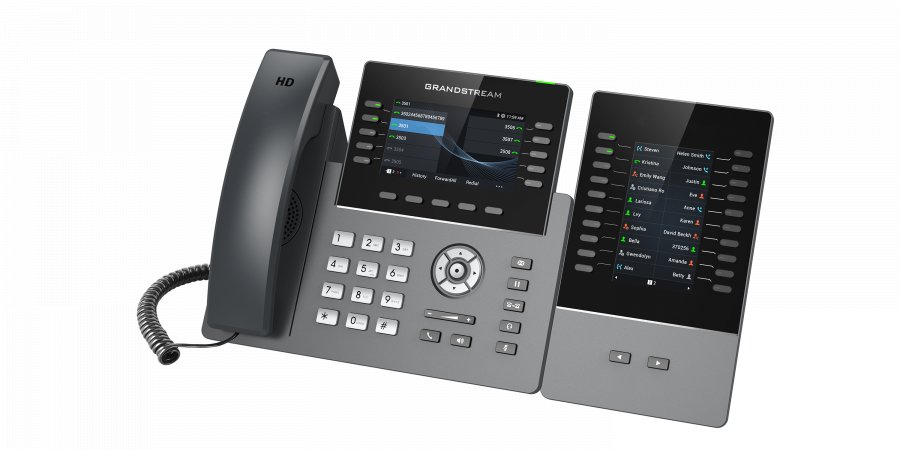
Looking to upgrade your business phone system in Canada? FiberConX Communications offers top-tier VoIP and IP business phone services tailored to meet your needs. Our solutions feature advanced functionalities like voicemail, IVR, Ring Groups, and voicemail-to-mail, ensuring seamless communication for your team. One of our recommended devices is the Grandstream GRP2615, known for its reliability and rich feature set. With FiberConX, you can streamline your communication infrastructure and improve customer engagement. Contact us today at [email protected] or call 1.800.961.6856 to learn more about how our services can transform your business communication experience.
Unlock the Power of Customizable Telephony for Business Success
Modern telephony has come a long way from the days when landline phones relied solely on analog signals. Today’s systems are built on internet-based platforms that do much more than just handle voice calls. They offer flexibility, scalability, and a high level of customization, allowing businesses to craft communication infrastructures tailored specifically to their needs. This shift from traditional to digital solutions opens up new opportunities for internal collaboration and customer engagement, making adaptable telephony a vital part of modern operations.
A key driver of this transformation is Voice over Internet Protocol (VoIP), which converts voice signals into data packets that travel over the internet. VoIP not only reduces costs but also delivers clearer call quality and easier management. Features like auto-attendants, advanced call routing, and remote access can be customized to match the unique workflows of different organizations. This level of personalization ensures that communication is efficient and aligned with internal processes, improving both internal and customer-facing interactions.
The importance of customization becomes even more apparent as businesses grow. Small startups might only need basic auto-attendants and call forwarding, but larger enterprises require more complex features like multi-level call routing, multi-location management, and enhanced security protocols. Having a flexible telephony system that can scale alongside your organization prevents communication from becoming a bottleneck and ensures your network remains a competitive advantage rather than a limitation.
Another crucial aspect of modern telephony is its support for remote work and mobility. Cloud-managed solutions enable employees to access the same features whether they’re in the office, working from home, or on the go. This flexibility is essential in today’s fast-paced environment, where responsiveness and high-quality communication can directly impact customer satisfaction and team productivity. Customization plays a vital role here, allowing organizations to design workflows that support remote teams without sacrificing security or performance.
Choosing the right telephony system involves understanding how its customizable features can align with your operational goals. It’s about building a communication network that not only meets your current needs but also adapts to future challenges. When systems are designed with flexibility in mind, they become strategic assets that drive productivity, enhance security, and foster innovation. This proactive approach ensures your organization stays agile and responsive in an ever-changing landscape.
The shift towards customizable telephony reflects a broader trend: businesses want systems that are not only functional but also adaptable to their evolving environments. From simple call forwarding to complex, multi-layered routing, modern solutions put control directly in your hands. This flexibility allows your communication infrastructure to keep pace with technological advancements, market demands, and customer expectations, supporting long-term growth and resilience.
Investing in systems that support easy customization offers immediate benefits as well. Features like centralized control dashboards and cloud-based platforms enable IT teams to configure, update, and troubleshoot remotely. This not only reduces downtime but also lowers operational costs, making management more efficient. When your telephony system is easy to update and scale, it becomes a true strategic tool for long-term success.
In essence, modern, customizable telephony isn’t just about technology—it’s about creating smarter, more responsive ways to communicate. It empowers businesses to design workflows that fit their unique needs, streamlines operations, and improves the experience for both staff and customers. As digital communication continues to evolve, having a flexible, tailored system will be crucial for staying ahead of the curve and building resilient, efficient networks that support sustained growth.

Foundations of Telephony Technology: Building Blocks for Flexible Communication
Telephony technology has advanced dramatically from the days when landlines depended solely on analog signals. Today’s systems are primarily built on digital and internet-based platforms that do much more than just transmit voice. These modern solutions are designed to be highly flexible, scalable, and customizable, allowing organizations to tailor their communication infrastructure to fit specific operational needs. This evolution from traditional to digital has unlocked new possibilities for automation, integration, and overall efficiency, making a robust telephony foundation essential for staying competitive.
At the core of this transformation is Voice over Internet Protocol (VoIP), which converts voice signals into data packets that travel over the internet. VoIP offers clearer call quality, reduced costs, and easier management, enabling features like auto-attendants, advanced call routing, and remote access that can be customized to match unique workflows. Unlike traditional systems, VoIP’s open protocols and flexible architecture allow organizations to design communication solutions that adapt seamlessly as their needs evolve.
Protocols such as Session Initiation Protocol (SIP) are fundamental to establishing and managing calls over IP networks. SIP handles the signaling required to set up, modify, and end calls, ensuring interoperability across different devices and platforms. Alongside SIP, the Real-time Transport Protocol (RTP) manages the delivery of voice media, maintaining clarity and synchronization during calls. Security protocols like Secure RTP (SRTP) and Transport Layer Security (TLS) are crucial for protecting conversations from eavesdropping and tampering, especially when dealing with sensitive information. Understanding these protocols helps organizations implement telephony solutions that are both efficient and secure.
The supporting infrastructure has also evolved, with standards like Power over Ethernet (PoE) simplifying device deployment by providing power and data through a single cable. Network components such as switches and routers are now optimized for voice traffic, supporting Quality of Service (QoS) settings that prioritize voice data to prevent latency and jitter. This ensures high-quality call experiences, even in busy network environments. These technological foundations enable a reliable, customizable telephony environment that can expand alongside your business.
Different organizations approach telephony deployment based on their size and industry needs. Small businesses often favor straightforward, on-premises systems that focus on affordability and ease of use. Medium-sized firms typically adopt hybrid models, combining hardware with cloud management platforms for added flexibility. Large enterprises lean towards fully cloud-managed solutions that support multi-location operations, complex routing, and enhanced security. A solid understanding of these core concepts ensures your telephony system can be tailored effectively, supporting both current operations and future growth.
Navigating the Modern Telephony Landscape: Devices, Management, and Innovation
The landscape of telephony solutions today is more diverse and dynamic than ever before. Most businesses rely heavily on IP-based phones, which come in a wide range of models designed to fit various operational needs. From simple, cost-effective devices for small teams to advanced, feature-rich models for large call centers, these phones form the backbone of modern communication. What’s notable is how these devices are increasingly managed through centralized, often cloud-based, platforms that simplify deployment and ongoing maintenance.
Cloud management systems have revolutionized how organizations oversee their telephony infrastructure. Platforms like Grandstream’s Device Management System (GDMS) enable IT teams to configure, provision, and monitor hundreds or even thousands of endpoints remotely from a single dashboard. This streamlines deployment, reduces manual errors, and ensures consistent performance across all devices. Managing large fleets becomes faster and more efficient, whether onboarding new staff or expanding to multiple locations. Remote updates, security patches, and troubleshooting become routine, keeping the system resilient and responsive.
In addition to hardware, softphones and mobile apps are now integral to the modern telephony ecosystem. These solutions allow users to communicate effortlessly whether they’re in the office, working remotely, or on the move. Integration of hardware phones with cloud and mobile tools reflects a broader shift toward hybrid communication environments. Organizations increasingly seek systems that support remote work without sacrificing reliability or feature depth, emphasizing flexibility and ease of use.
Most current setups revolve around IP phones connected to reliable networks, supporting essential functions like call transfer, voicemail, auto-attendants, and conference calls. Smaller businesses often prefer plug-and-play VoIP phones with minimal configuration, prioritizing affordability and simplicity. Larger firms deploy multi-line phones integrated with sophisticated management platforms that enable features like call queues, caller ID, and detailed analytics. This variety ensures organizations can select solutions aligned with their size, industry, and operational complexity.
Technological advancements continue to reshape telephony management. Cloud-based tools now facilitate remote configuration, firmware updates, and security patches, drastically reducing the need for on-site support. Mass provisioning enables rapid deployment of large fleets, while firmware management ensures security and performance remain up to date. These innovations make telephony systems more agile, scalable, and capable of adapting to rapid growth or shifting business priorities.
The shift toward mobile and softphone solutions has also enhanced flexibility. Employees can now seamlessly switch between desk phones, mobile apps, and softphones, maintaining high-quality communication regardless of location. This flexibility supports remote work policies and helps organizations provide a consistent user experience across different environments. As a result, internal collaboration and customer engagement become smoother and more reliable.
Meanwhile, the focus on security has intensified. Modern telephony solutions incorporate encrypted signaling, secure firmware updates, and access controls to safeguard sensitive conversations. Centralized management platforms further enforce security policies across fleets of devices, making it easier to maintain compliance and protect against cyber threats. This layered approach ensures that communication remains confidential and trustworthy, even in high-stakes environments.
In sum, today’s telephony landscape is characterized by flexibility, management efficiency, and technological sophistication. The proliferation of cloud platforms, mobile integrations, and advanced hardware ensures that organizations can craft communication systems tailored precisely to their needs. This dynamic environment not only supports current operations but also prepares businesses for future growth and innovation. As digital communication continues to evolve, staying ahead means embracing these current solutions and leveraging their full potential for a smarter, more connected enterprise.

Grandstream Devices and Management: Tailored Solutions for Seamless Connectivity
Grandstream offers a comprehensive lineup of telephony devices designed to meet the diverse needs of modern businesses, from small startups to large enterprises. Their IP phones are crafted with a focus on reliability, ease of use, and scalability, ensuring seamless communication across any environment. Whether deploying a handful of simple models for a small team or outfitting a busy call center with feature-rich devices, Grandstream’s hardware delivers consistent performance that supports your operational demands.
At the core of Grandstream’s management approach is their cloud-based Device Management System (GDMS). This platform simplifies the complex task of overseeing large fleets of devices by providing a centralized interface for configuration, provisioning, and monitoring. With GDMS, IT teams can deploy devices quickly, automatically configure settings, and monitor performance remotely, saving time and reducing errors. This streamlined process accelerates deployment timelines and ensures uniformity across multiple locations, making scaling operations more manageable than ever.
The devices themselves are highly customizable, supporting features like flexible call routing, auto-attendants, and security protocols tailored to specific workflows. This level of personalization allows organizations to design communication systems that align perfectly with internal processes, whether it’s directing calls efficiently or safeguarding sensitive conversations. The ability to adapt devices to unique operational needs enhances both internal efficiency and customer experience, enabling smoother interactions at every touchpoint.
Scalability is built into Grandstream’s solutions. As your business expands, adding new devices or expanding functionalities becomes straightforward. With GDMS, new endpoints can be provisioned remotely, integrated seamlessly into existing systems, and managed collectively. Firmware updates and security patches can be pushed out remotely, ensuring your entire fleet stays current and protected without the need for physical access. This flexibility supports long-term growth and reduces the operational burden of large-scale deployments.
Network optimization features are integral to Grandstream’s devices. Support for Power over Ethernet (PoE) simplifies installation by delivering power and data through a single cable, reducing clutter and minimizing setup time. Devices also incorporate Quality of Service (QoS) settings that prioritize voice traffic, ensuring high call quality even during peak network usage. These features are critical for maintaining professional-grade communication, especially in environments where clarity and reliability are paramount.
Security remains a top priority across Grandstream’s product range. Devices come equipped with encrypted signaling and secure firmware updates to protect conversations and prevent unauthorized access. The centralized management platform further enforces security policies across all endpoints, ensuring consistent protection and compliance. This comprehensive approach safeguards sensitive information, fostering trust and reliability in your communication network.
By combining versatile hardware with robust, cloud-based management, Grandstream empowers organizations to craft tailored, efficient telephony networks. The solutions support rapid deployment, ongoing management, and future expansion—key elements for staying competitive in today’s fast-changing digital landscape. Choosing Grandstream means investing in a flexible communication foundation that adapts to your needs, helping your business communicate more effectively and grow confidently.