Step into the roaring heart of the muscle car era with the 1970s Chevrolet SS—an iconic symbol of American horsepower and rebellious spirit. These cars, with their bold designs, thunderous engines like the legendary 454 V8, and aggressive stance, didn’t just turn heads—they embodied a culture of freedom, individualism, and daring innovation. Despite rising fuel prices and stricter regulations, Chevrolet preserved the essence of raw performance, creating legends that still resonate today. The nostalgia of these vehicles fuels passionate restorations and collections, connecting enthusiasts to a golden age where speed and style reigned supreme. But what is it about these muscle cars that makes them timeless icons? Is it their unrestrained power, their striking aesthetics, or the cultural legacy they represent? Delving into their origins, evolution, and enduring legacy reveals a story of fearless craftsmanship and rebellion—a story that continues to inspire new generations of automotive passion.
Unleashing American Muscle: The 1970s Chevrolet SS
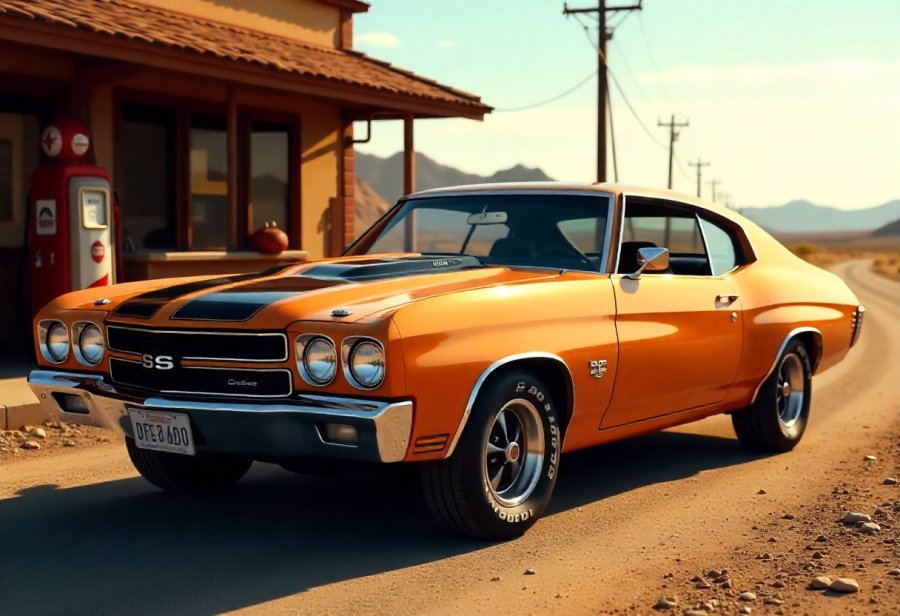
The 1970s Chevrolet SS is a standout symbol of the muscle car era, capturing the spirit of American horsepower at its boldest. These cars weren’t just transportation; they were fierce statements of attitude and rebellion, built to turn heads and ignite passions. With their muscular lines, aggressive stances, and thunderous engines, models like the Chevelle SS 454 became icons of unrestrained performance. Their presence on the street was as commanding as the roar of their engines, making them legends in their own right.
During this decade, Chevrolet aimed to fuse striking design with serious power. The Chevelle SS 454, introduced in 1970, epitomized this vision with its massive big-block engine and wide, muscular body. It wasn’t just a car; it was a machine designed to dominate both streets and drag strips, with over 450 horsepower echoing through its roar. These vehicles embodied the essence of American muscle—raw, loud, and unapologetically bold.
The culture of the 1970s embraced rebellion and individualism, and muscle cars like the Chevrolet SS perfectly reflected that ethos. Their commanding presence was accentuated by hood scoops, racing stripes, chrome accents, and vibrant colors like Hugger Orange or LeMans Blue. Every detail reinforced their identity as symbols of speed and freedom, transforming them into rolling expressions of personal attitude. Despite rising fuel prices and stricter emissions standards, the desire for pure horsepower remained fiercely alive.
Design-wise, these cars balanced form and function seamlessly. Wide wheel arches, aggressive grilles, and period-correct styling cues made sure they looked as powerful as they sounded. Every element, from rally wheels to badges, was crafted to emphasize their performance pedigree. Their muscle-bound appearance and thunderous exhausts created an unmistakable visual and auditory statement—one that continues to resonate with enthusiasts today.
As the decade progressed, the Chevrolet SS lineup evolved amid regulatory changes and shifting market trends. While some models saw engines slightly dialed back, their core identity persisted: big, bold, and built for performance. This resilience kept the spirit of the muscle car alive, ensuring that these vehicles remained relevant and revered. They became more than machines; they became cultural icons that defined an era of American automotive daring.
The Chevrolet SS of the 1970s isn’t just about horsepower—it’s a tangible piece of American history. These cars symbolize a time when performance and style went hand in hand, creating vehicles that made a statement on every street and strip. Their legacy endures because they embody a rebellious, free-spirited attitude that continues to inspire collectors, restorers, and fans. In every roar and every muscular line, the essence of the muscle car era lives on, forever etched into the fabric of automotive legend.
From Roots to Roar: The Birth and Evolution of the Chevrolet SS
The origins of the Chevrolet SS line trace back to a time when muscle cars captured the imagination of American drivers eager for raw power and striking design. In the late 1960s, Chevrolet identified a growing demand for high-performance vehicles that could stand out both visually and on the strip. This led to the development of the Chevelle SS 454, which quickly became a flagship of muscle car excellence. Its creation was driven by a desire to combine a large, aggressive body with a powerhouse engine capable of leaving rivals behind.
From the start, the goal was to craft cars that embodied the spirit of American horsepower. Engineers focused on pairing a formidable big-block engine with a wide, muscular stance, emphasizing bold styling cues like hood scoops and racing stripes. The result was a vehicle that looked as fierce as it performed, demanding attention and respect wherever it appeared. The legendary 454 V8, capable of producing over 450 horsepower, set new standards for muscle car performance, making each ride an experience in unrestrained power.
Throughout the early 1970s, the evolution of the Chevrolet SS continued in response to shifting market tastes and tightening regulations. Despite emissions standards and safety laws that slightly curtailed engine output, Chevrolet maintained the core identity of these cars. Performance was dialed back but never abandoned, allowing the SS models to remain relevant and revered. Their design language evolved, but the wide stance, aggressive lines, and performance cues persisted, keeping the muscle car spirit alive in every iteration.
The introduction of the Chevelle SS 454 in 1970 marked a turning point, showcasing what true muscle meant. Its legendary engine and bold design made it an instant icon, inspiring other models like the Monte Carlo and Camaro to bear the SS badge. Each of these carried forward the core principles of power and style, solidifying Chevrolet’s reputation for producing performance-driven vehicles that captured the rebellious essence of the era.
As the decade progressed, technological advancements and regulatory challenges shaped the development of these vehicles. Some models saw horsepower reductions, but the focus remained on delivering a visceral driving experience. The muscular design persisted, with wide wheel arches and aggressive grilles, reinforcing their commanding presence. These cars weren’t just about speed—they were about attitude, rebellion, and a fearless embrace of American horsepower.
The legacy of the Chevrolet SS’s origins and development is rooted in a relentless pursuit of performance and bold design. It reflects a period of innovation driven by a desire to push boundaries and create cars that made a statement. Each model stands as a testament to Chevrolet’s commitment to muscle car excellence, laying the foundation for the enduring admiration and collector interest that continues to thrive today.
Muscle Car Decade: How the Chevrolet SS Dominated the 1970s Scene
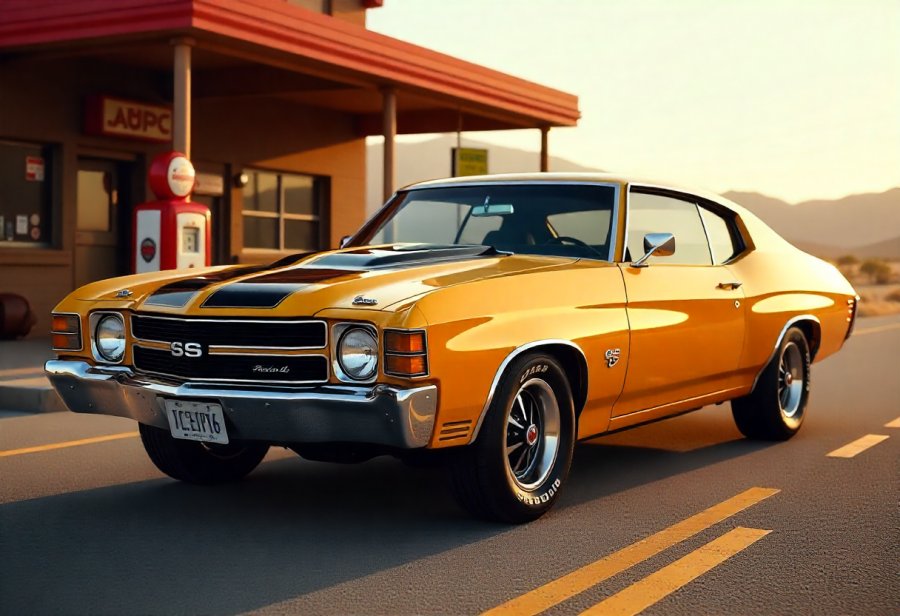
The muscle car scene of the 1970s was a vibrant, often tumultuous chapter in American automotive history. Despite mounting challenges like rising fuel prices, tightening emissions standards, and safety regulations, enthusiasts remained fiercely committed to the thrill of unrestrained horsepower. During this era, the Chevrolet SS models, especially the Chevelle SS 454, stood out as icons of that rebellious spirit. Their aggressive styling—wide stances, racing stripes, hood scoops—made them instantly recognizable symbols of power on both streets and drag strips.
These cars weren’t just about speed; they embodied a lifestyle of rebellion and individualism. The thunderous roar of their big-block engines and their muscular, bold aesthetics became cultural icons, often featured in movies, music, and magazines. The Chevelle SS 454, with its legendary 454-cubic-inch engine producing over 450 horsepower, delivered blistering acceleration and an unmistakable presence. Even as regulatory hurdles increased, Chevrolet managed to preserve the core identity of these muscle cars, focusing on raw performance wrapped in eye-catching design.
Design-wise, the 1970s muscle cars like the Chevrolet SS combined form and function seamlessly. Wide wheel arches, aggressive front grilles, and vibrant paint colors such as Hugger Orange or LeMans Blue emphasized their commanding look. Chrome accents, rally wheels, and period-specific details reinforced their speed and attitude, turning each vehicle into a rolling statement of rebellion. These cars weren’t just transportation—they were expressions of free spirit and daring individuality.
As the decade advanced, the development of muscle cars reflected a balancing act. Emissions and safety regulations forced some horsepower reductions, but the essence of the muscle car persisted. The bold, muscular lines, performance cues, and aggressive stance remained central to their appeal. Chevrolet’s commitment to performance ensured that even with evolving standards, these cars retained their reputation as symbols of American ingenuity and daring.
Despite the regulatory pressures, the core of the muscle car ethos endured. The Chevrolet SS models of the ’70s continued to evoke a sense of raw power and unfiltered excitement. Their thunderous engines and striking looks made them more than vehicles; they became cultural icons that embodied freedom, rebellion, and the pursuit of adrenaline. Their enduring legacy is built on that restless quest for speed and style, capturing the very spirit of the golden age of muscle cars.
In essence, the 1970s muscle car scene was about pushing boundaries and making statements—often louder than words. The Chevrolet SS models exemplified this ethos, blending performance with bold aesthetics that commanded attention. They symbolized an era when American cars celebrated individualism and defiance, leaving a legacy that still fuels passion among collectors and enthusiasts today. Their roar continues to resonate as a reminder of a time when muscle cars ruled the streets with fearless attitude and unmatched power.
Reviving the Past: The Enduring Nostalgia of the Chevrolet SS
The nostalgia surrounding the 1970s Chevrolet SS runs deep among enthusiasts and collectors alike. These cars symbolize more than just raw horsepower—they evoke a sense of freedom, rebellion, and the thrill of a bygone era when driving was about attitude as much as speed. Restoring a vintage SS isn’t merely about bringing a car back to life; it’s about reconnecting with a cultural moment filled with roaring engines, bold designs, and a spirit of individualism that defined the muscle car craze.
Owning or dreaming of a 1970s Chevrolet SS taps into a powerful emotional well. There’s an undeniable thrill in imagining yourself behind the wheel of a roaring muscle car, feeling the vibration of the big-block engine as it unleashes pure power. Whether cruising down an open highway in a vibrant Hugger Orange Chevelle or carefully restoring one to its original glory, these cars serve as tangible links to a time when horsepower was king and roads were open for adventure. They embody rebellion and independence, making every drive feel like a statement.
Restoring a classic Chevrolet SS is a labor of love that keeps the muscle car legacy alive. Enthusiasts seek authentic parts—badges, engine components, and period-correct details—to preserve the vehicle’s original character. The process involves meticulous work: stripping rust, repainting in authentic colors, and tuning the big-block engine to recapture its legendary roar. Attention to detail in the interior, wheels, and trim ensures the car remains true to its roots, blending vintage style with modern reliability. Every step reinforces the connection to that golden age of American muscle.
Finding authentic parts can be a challenge, but it’s essential for maintaining the car’s vintage integrity. Many enthusiasts turn to specialty suppliers, salvage yards, or reproduction manufacturers dedicated to classic muscle cars. Restoring the big-block 454 engine to its original power requires patience and skill, but the result is a vehicle that truly embodies the muscle car’s rebellious spirit. Preserving the bold lines, racing stripes, and aggressive stance keeps the essence of the era alive, allowing new generations to experience the magic firsthand.
Ultimately, the enduring appeal of these cars rests in their ability to evoke powerful memories and emotions. They are more than vintage vehicles; they are symbols of a cultural movement that celebrated speed, style, and daring individualism. Whether as a restoration project or a prized collector’s item, the Chevrolet SS of the 1970s continues to inspire admiration and passion. Their roaring presence on the road and in the heart of automotive history reminds us why muscle cars remain timeless icons of American ingenuity and attitude.
Legacy of Power: Concluding Reflections on the 1970s Chevrolet SS
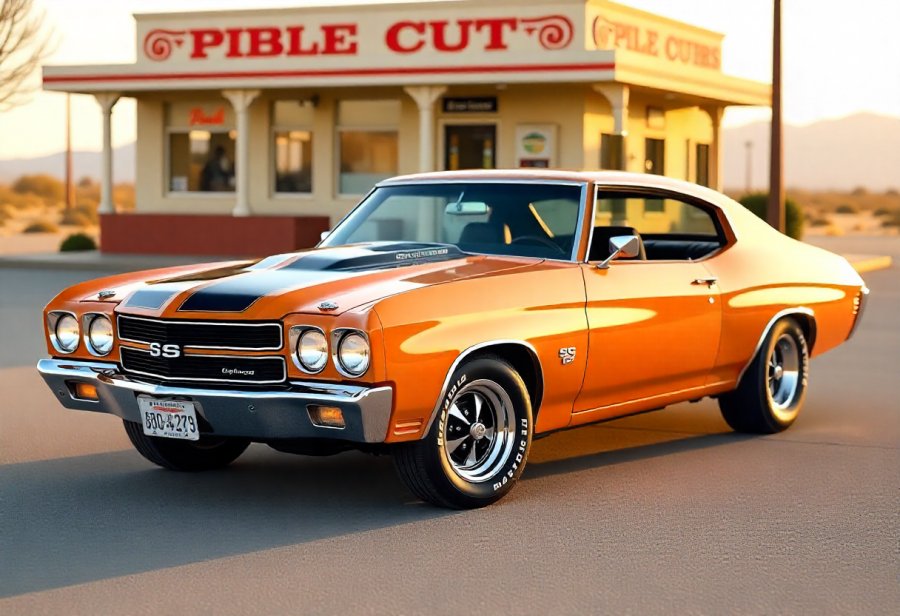
The 1970s Chevrolet SS stands as a powerful symbol of the muscle car era, embodying a time when American automotive performance reached its boldest heights. With legendary engines like the 454 V8 and striking designs, these cars captured the spirit of raw horsepower and rebellious attitude that defined an entire generation. They weren’t just vehicles; they were rolling expressions of freedom, individuality, and daring innovation.
Beyond their impressive specs, these cars represent a cultural legacy that continues to resonate today. They remind us of a time when driving was about more than transportation—it was about making a statement. The thunderous roar of their engines and their aggressive, muscular lines evoke nostalgia and admiration, inspiring enthusiasts to preserve and celebrate that golden age of muscle cars. Their timeless appeal lies in their ability to connect emotionally and historically.
Restoring and owning a Chevrolet SS from this era isn’t merely about nostalgia; it’s about keeping alive a spirit of daring craftsmanship and defiance. Each restored vehicle is a tribute to American ingenuity, a tangible link to a period when speed and style went hand in hand. Their enduring presence on the roads and in collections underscores their significance as icons of performance and attitude. They remain a testament to the innovative drive that pushed boundaries and redefined what American cars could be.
The legacy of these cars extends beyond their technical prowess. They symbolize a culture that celebrated boldness and independence—values that continue to inspire modern muscle car design and enthusiast communities. Their stories are woven into the fabric of automotive history, encouraging new generations to appreciate the powerful blend of style, performance, and rebellious spirit that made these cars legendary.
As modern muscle cars draw inspiration from these classics, the significance of the Chevrolet SS endures. It’s a reminder that true performance isn’t just about numbers; it’s about attitude, craftsmanship, and leaving a lasting impression. These cars stand as enduring icons, reminding us why the muscle car era remains one of the most exciting chapters in automotive history. Their roaring legacy continues to inspire passion and innovation, ensuring their place in the hearts of enthusiasts for generations to come.