Underground street racing is more than just a pursuit of adrenaline; it’s a vibrant culture rooted in loyalty, brotherhood, and rebellion. Beneath the neon-lit streets, racers forge unbreakable bonds through shared risks, car craftsmanship, and late-night camaraderie. These relationships, built on mutual trust and support, transform fleeting moments of speed into lifelong connections—acting as a surrogate family amidst legal threats and danger. The scene’s influence extends beyond the asphalt, shaping urban fashion, media, and social identity, while fostering a resilient, rebellious spirit that resonates across youth culture. Yet, what truly sustains this community isn’t just the thrill of speed but the unwavering loyalty that binds its members. As they push limits and defy norms, they demonstrate that in this high-octane world, brotherhood and resilience are the real victories—questions remain about how this clandestine world will evolve, but its core values endure.
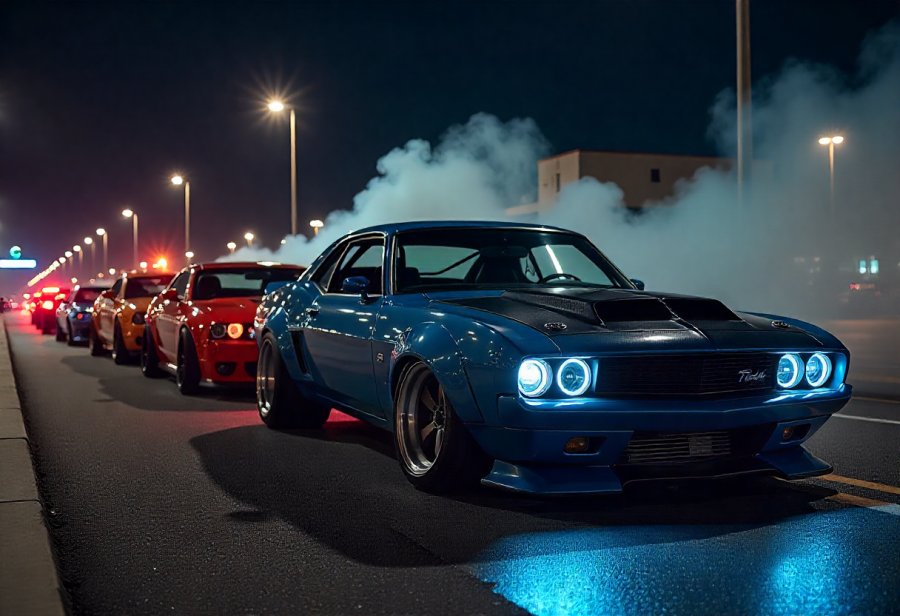
Underground Street Racing: A Culture Hidden in Shadows
Underground street racing is a scene that thrives in the shadows, far from official racetracks and sanctioned competitions. Instead, it unfolds on city streets, often late at night when police presence is minimal. Racers modify their cars with performance parts, eye-catching paint jobs, and aerodynamic kits, transforming everyday vehicles into high-speed machines built for adrenaline and agility. This culture isn’t just about going fast; it’s about creating a community rooted in shared passion and a rebellious spirit.
Participants gather in tight-knit crews that function like families, bonding over late-night wrenching sessions, secret routes, and high-stakes races. These gatherings are more than mere competitions—they’re rituals that reinforce loyalty and trust. Knowing someone has your back amid the risks of legal trouble or mechanical failure fosters a sense of belonging that’s hard to find elsewhere. The camaraderie extends beyond the asphalt, forging emotional ties that withstand both danger and law enforcement.
The roots of underground racing stretch back to post-war times, when young enthusiasts organized informal races outside official venues. Over decades, these spontaneous meet-ups grew into organized, clandestine events driven by a desire to challenge authority and seek thrills mainstream motorsports couldn’t offer. From quiet suburban streets to urban alleyways, the scene evolved into a symbol of rebellion, craftsmanship, and resilience.
For many involved, the appeal lies in the unpredictability—the rush of racing amid city lights and the thrill of pushing personal limits in a space where rules are few. Car modification becomes a form of self-expression, a way to assert identity and loyalty through custom builds and shared craftsmanship. The scene’s influence extends into fashion, music, and media, shaping urban youth culture with a rebellious, energetic aesthetic that celebrates speed and brotherhood.
This underground world also fosters a sense of shared resilience. Navigating legal threats, mechanical setbacks, and rivalries builds collective strength, turning a group of speed enthusiasts into a close-knit family. Bonds are reinforced through acts of support—helping repair a car, sharing resources, or warning each other of police patrols—creating trust that endures beyond individual races. In this scene, loyalty isn’t just a word; it’s the foundation that keeps the community alive.
Despite its illegal status, underground racing continues to shape broader cultural trends. Its emphasis on loyalty, craftsmanship, and defiance resonates with urban youth seeking identity and belonging. Influences from streetwear to music incorporate motifs of speed and rebellion, further embedding the culture into mainstream urban life. Films, social media, and street art celebrate this high-octane lifestyle, inspiring new generations to embrace the values of brotherhood and resilience.
In the end, underground street racing is more than just a pursuit of speed. It’s a vibrant culture built on loyalty, trust, and shared experiences that forge unbreakable bonds. These relationships, formed in secrecy and fueled by adrenaline, turn individual pursuits into a powerful community. Despite the risks, the sense of belonging and resilience remains at the heart of this high-octane scene, making it a lasting symbol of rebellion, craftsmanship, and brotherhood.
Brotherhood and Loyalty: The Heart of Street Racing Connections
Underground street racing is about more than just the thrill of high speeds; it’s about the deep bonds that form among those involved. These racers see each other as more than competitors—they become part of a tight-knit community built on trust, loyalty, and shared experiences. Night after night, crews gather under city lights to work on their cars, exchange tips, and support each other through mechanical setbacks or unexpected law enforcement visits. This sense of camaraderie transforms a group of speed enthusiasts into a family that relies on each other far beyond the races themselves.
In the shadows of the streets, these relationships are strengthened during intense, high-stakes runs and late-night meetups. When a teammate’s car stalls or police appear unexpectedly, the community responds instinctively—offering help, warning each other, and protecting their own. These acts of loyalty aren’t just about winning; they’re about safeguarding each other’s safety and preserving the integrity of their brotherhood. The shared adrenaline and danger create a powerful bond rooted in mutual trust, making every race a test of loyalty as much as speed.
Working on cars together plays a crucial role in deepening these connections. Upgrades like turbo kits, custom paint, or aerodynamic modifications become shared projects that symbolize trust and pride. Friends trade parts, exchange technical knowledge, and celebrate each other’s progress, turning their vehicles into moving symbols of collective effort and loyalty. Each repair or upgrade reinforces their emotional ties, transforming simple cars into personal statements of allegiance and craftsmanship.
Night races themselves serve as rituals that solidify this sense of brotherhood. The darkness, the risks, and the collective effort to outpace rivals foster an environment of shared vulnerability. Racers watch out for one another—alerting teammates to police patrols or mechanical issues—often risking their safety for the good of the crew. These moments of collective effort and mutual reliance forge lifelong friendships born from adrenaline, risk, and trust.
Many stories from the scene highlight loyalty as a core value, built through acts of support and resilience. Whether fixing a teammate’s engine in the dead of night or standing guard during a risky run, the community’s unwavering support strengthens their bonds. This collective strength helps them face external threats and internal rivalries, transforming individuals into a resilient family driven by shared passion and mutual respect.
At its core, the loyalty within underground racing isn’t just about individual achievement—it’s about creating a lasting, unbreakable brotherhood. These bonds, forged in secrecy and fueled by adrenaline, turn fleeting moments into lifelong connections. Despite the illegal and risky nature of their pursuits, many participants view their network as a vital source of strength and belonging, proving that in the world of underground street racing, loyalty and brotherhood are what truly drive the scene forward.
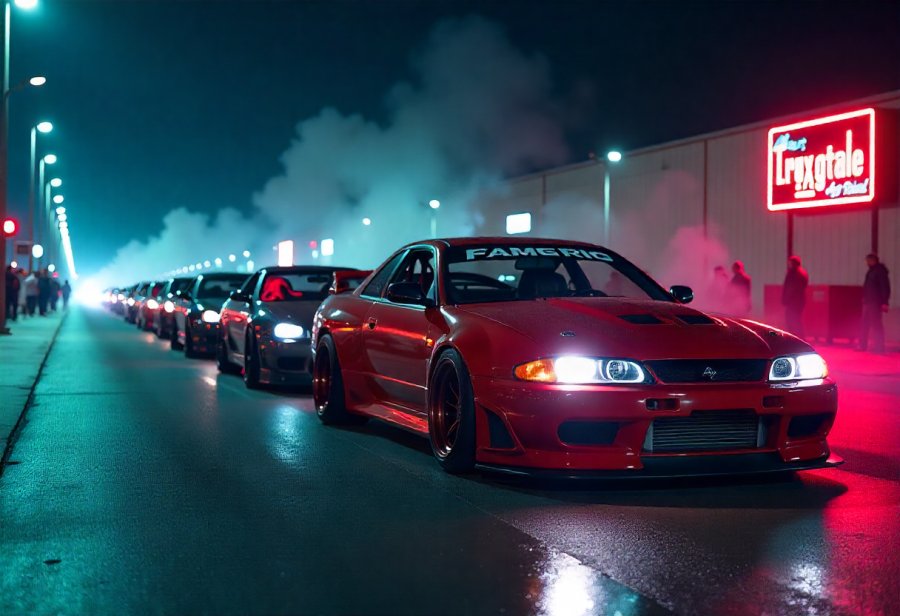
Deep Bonds of Trust and Resilience in the Underground Scene
Underground racing bonds run deeper than shared adrenaline; they are forged through moments of vulnerability and unwavering trust in a high-stakes environment. As racers navigate the unpredictable world of street battles, their connections evolve into more than surface-level friendships. They develop a mutual understanding rooted in routines, signals, and a collective knowledge that grows stronger with each late-night run or mechanical fix. This environment creates a psychological bond, built on the certainty that each member will support the others when it matters most.
Loyalty in this scene isn’t given freely; it’s earned through consistent actions. Supporting a teammate during a mechanical breakdown or warning about police patrols isn’t just helpful—it’s vital. These acts of support reinforce resilience and foster a collective identity, making loyalty something tangible rather than abstract. The shared experience of law enforcement threats, physical danger, and technical setbacks creates a safety net where each person feels protected and valued, strengthening the ties that bind.
Within these tight circles, routines and signals develop that further cement loyalty. Secret routes, subtle gestures during races, and coded language keep everyone connected and aware of each other’s intentions. This shared knowledge becomes currency, transforming superficial relationships into meaningful bonds rooted in mutual trust. When setbacks strike—be it mechanical failures or police raids—the community’s quick response demonstrates that their loyalty extends beyond individual success, reinforcing a brotherhood that endures.
The pride in craftsmanship plays a pivotal role in deepening these relationships. Modifying cars isn’t just about performance; it’s an act of loyalty and identity. Friends exchange tips, trade parts, and celebrate each other’s upgrades, turning their vehicles into symbols of collective effort and shared pride. These projects foster a sense of purpose, turning mechanical work into emotional acts that reinforce their emotional bonds and collective dedication.
Adrenaline and danger intensify these connections. Facing constant risks—whether legal or physical—makes mutual support essential for survival. When racers look out for one another during risky runs or mechanical crises, they forge bonds rooted in trust that go far beyond the asphalt. These moments of vulnerability and collective effort create a resilient brotherhood, unshaken by external threats or rivalries, built on the foundation of shared risk.
This loyalty isn’t just emotional; it’s reinforced by shared emotional experiences. The collective pride, the rush of adrenaline, and the support during setbacks shape a psychological fabric that sustains the community in tough times. These bonds, formed in the heat of the moment, become lifelong, providing stability in an unpredictable world. They turn a group of individuals into a unified family, bound by trust, resilience, and shared purpose.
Even amid illegal activities, this network offers a vital source of strength. The relationships formed through shared danger and effort provide a sense of safety and belonging. Supportive acts—helping repair a car, warning of police, standing guard—are acts of loyalty that cement the community’s resilience. This collective strength helps members face external threats and internal rivalries, turning individual pursuits into a lasting brotherhood.
At its core, underground racing’s bonds reflect a universal human need for connection and trust. These relationships, born in secrecy and fueled by adrenaline, transform fleeting moments into lifelong ties. They demonstrate that even in rebellion, there’s a deep desire for belonging and mutual support. The enduring strength of these bonds shows that underground street racing isn’t just about speed—it’s about kinship, resilience, and the unbreakable ties that keep the culture alive.
From Streets to Streetswear: The Cultural Impact of Underground Racing
Underground street racing extends beyond the shadows of the city streets, influencing broader social and cultural trends in surprising ways. Its emphasis on loyalty, craftsmanship, and rebellion resonates strongly with urban youth seeking outlets for self-expression and identity. The visual language of this scene—modified cars, streetwear, and accessories—has seeped into mainstream fashion, inspiring brands that celebrate bold graphics, custom patches, and sporty aesthetics. These elements serve as symbols of group identity, making the culture’s style recognizable far beyond the racing circles.
Media plays a pivotal role in amplifying this influence. Films like the “Fast & Furious” series, alongside social media platforms and online communities, showcase the high-energy world of underground racing, fueling fascination and admiration. These stories often highlight themes of brotherhood, resilience, and defiance, framing racing as more than just a sport—it’s a lifestyle rooted in community and loyalty. Even those who don’t participate directly find themselves drawn into this world, adopting its symbols and values as part of their own identity.
The core principles of underground racing—trust, resilience, and loyalty—extend into everyday life, shaping how young people navigate social pressures and challenges. Support networks within these communities are built on sharing resources, technical advice, and emotional backing. Racers warn each other of law enforcement, lend tools, and stand by one another during setbacks, creating bonds that foster a sense of belonging and mutual respect. This collective mindset transforms a group of enthusiasts into a tight-knit community that depends on shared knowledge and collective strength.
Despite its illegal and risky nature, underground racing has inspired initiatives aimed at promoting safer participation. Some organizations now offer workshops, safety clinics, and mentorship programs designed to educate aspiring racers about vehicle handling, legal boundaries, and community values. These efforts channel the passion for racing into positive outlets, helping enthusiasts enjoy their craft responsibly while maintaining the core ideals of brotherhood and loyalty. Such programs underscore the scene’s potential to evolve into a more structured and safer culture without losing its rebellious spirit.
Urban art and music also reflect the influence of underground racing. Graffiti, street art, and hip-hop incorporate motifs of speed, rebellion, and craftsmanship, echoing themes central to the scene. Rappers and musicians frequently reference cars and racing as symbols of resilience and defiance, embedding these ideas into mainstream urban culture. This cross-pollination keeps the spirit of underground racing alive, even as the scene faces new challenges and continues to adapt.
Ultimately, underground street racing is more than just a pursuit of speed; it’s a cultural movement that shapes fashion, media, and social attitudes. Its values of loyalty, brotherhood, and resilience inspire a sense of belonging among urban youth, offering a counter-narrative to mainstream norms. The scene’s influence extends into everyday life, fostering communities built on shared trust and mutual support. By doing so, underground racing demonstrates how rebellion and craftsmanship can forge powerful bonds that endure far beyond the asphalt, leaving a lasting mark on urban culture.
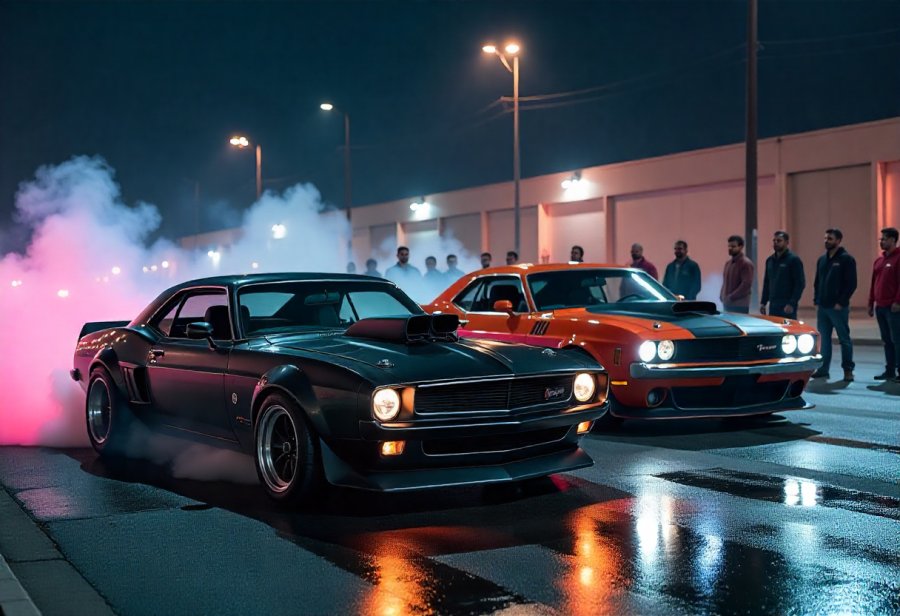
Enduring Bonds: The Lasting Spirit of Brotherhood in Street Racing
Underground street racing is about much more than just the thrill of high speeds; it’s a deeply rooted culture built on loyalty, trust, and shared experiences that extend far beyond the asphalt. The bonds formed within these communities—fostered through late-night races, collaborative car craftsmanship, and mutual support—are remarkably resilient, even in the face of danger and legal risks. These relationships aren’t fleeting; they are the backbone of a brotherhood that provides a sense of belonging and purpose often missing elsewhere.
What keeps this culture alive isn’t just the adrenaline rush—it’s the unwavering loyalty that members demonstrate to one another. Racers see their crew as family, and their actions speak volumes. Whether fixing a teammate’s car in the dead of night or warning each other about police patrols, these acts of support reinforce a collective identity rooted in trust. It’s this unwavering bond that transforms individual pursuits into a shared mission of resilience and mutual care.
The emotional strength of these relationships is reinforced by the shared risks and vulnerabilities they face together. The danger of illegal racing, mechanical breakdowns, or law enforcement encounters creates a high-stakes environment where mutual support becomes essential. These moments forge lifelong connections, built on the understanding that each member’s safety and success depend on collective effort and loyalty. It’s a dynamic that turns fleeting moments of adrenaline into lasting bonds of kinship.
Pride in craftsmanship further deepens these ties. Modifying cars isn’t just about performance—it’s a form of expression and loyalty. Friends exchange tips, trade parts, and celebrate each other’s upgrades, turning vehicles into symbols of trust and shared effort. Each repair or enhancement becomes a testament to their collective skill, dedication, and the emotional investment that cements their sense of belonging.
Despite the illegal and risky nature of their activities, many within the scene see their network as a vital source of strength. The bonds formed through shared adversity offer stability and resilience amid chaos. Acts of loyalty—helping repair a car, standing guard during a risky run—are more than gestures; they are the foundation of a community that thrives on mutual trust and collective support. These relationships provide a refuge, a safe harbor in a turbulent world.
At its core, the brotherhood of underground racing exemplifies a universal human desire for connection and trust. Born in secrecy and fueled by adrenaline, these relationships evolve into lifelong bonds that transcend the pursuit of speed. They demonstrate that even within rebellion, there’s an intrinsic need for belonging and mutual care. The enduring strength of these ties shows that underground street racing is as much about kinship as it is about racing—an unbreakable community that continues to thrive through loyalty, resilience, and shared purpose.