Cleopatra VII is often remembered through stories of glamour and romance, but her true legacy is rooted in her formidable intellect, strategic diplomacy, and leadership prowess. Could her actual strength lie in her mind rather than her beauty? As Egypt’s last pharaoh, she masterfully navigated a turbulent geopolitical landscape, forging alliances with Rome’s most powerful figures while fostering Alexandria as a hub of scholarship and innovation. Her multilingual abilities, political acumen, and patronage of arts and sciences underscore a ruler who valued knowledge and cultural influence as tools of sovereignty. Yet, centuries of storytelling have overshadowed her achievements with myth and mythic beauty. Today, modern scholarship recognizes her as a resilient, cunning leader who redefined power beyond gender stereotypes. Her legacy challenges us to see leadership as rooted in wisdom, adaptability, and strategic insight—proving that true influence resides in the power of the mind.
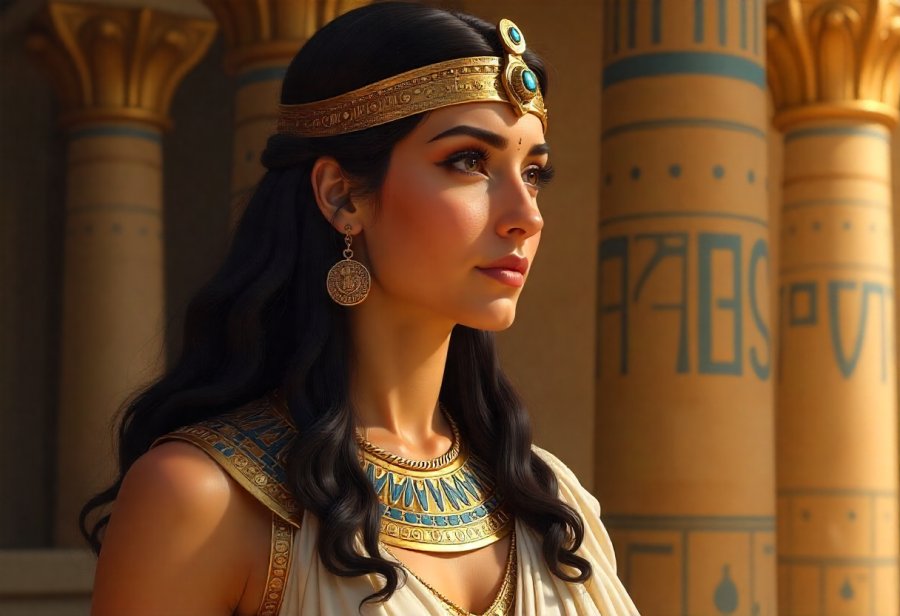
Cleopatra’s True Power: Wisdom, Diplomacy, and Cultural Mastery
Cleopatra VII is often remembered through stories of romance and glamour, but her true legacy goes far beyond her allure. She was a sharp-minded and strategic leader who understood the nuances of diplomacy, politics, and cultural influence. As Egypt’s last pharaoh, her strength lay in her ability to forge alliances, navigate complex international waters, and maintain her kingdom’s independence during turbulent times. Her leadership was marked by quick wit, political savvy, and a deep understanding of her people and rivals alike.
Much of Cleopatra’s legendary image has been shaped by centuries of storytelling that blend fact with fiction. Popular culture tends to focus on her beauty and romantic entanglements, often overshadowing her accomplishments as a ruler and scholar. But behind this myth lies a woman who was also a learned scholar and a master diplomat. Recognizing her true context means looking past the romanticized stories to see the geopolitical landscape she faced—an Egypt balancing internal challenges and external threats, especially from Rome.
Her real power was rooted in her sharp intellect and diplomatic skill. Cleopatra was a master of forming alliances that served her kingdom’s interests, often using her multilingual abilities and knowledge of regional politics. Relationships with Julius Caesar and Mark Antony weren’t just personal—they were carefully calculated moves designed to secure Egypt’s independence. Her ability to negotiate treaties, sway influential figures, and turn potential enemies into allies demonstrated her exceptional political insight and resilience.
Beyond politics, Cleopatra fostered a vibrant environment of scholarship and cultural exchange in Alexandria. She supported the city’s renowned Library and encouraged scientific inquiry, philosophy, and the arts. Her personal engagement with scholars and her interest in learning helped solidify Alexandria’s reputation as a center of knowledge. This wasn’t just cultural patronage; it was a strategic move that strengthened Egypt’s diplomatic standing and her own influence as a learned ruler.
Cleopatra’s legacy is ultimately one of resilience, intelligence, and adaptability. She understood that leadership required more than royal authority—it demanded cultural insight and the ability to respond swiftly to changing circumstances. Her alliances and diplomatic finesse helped her preserve Egypt’s independence longer than many expected. Her story reminds us that true strength often resides in the mind, and her enduring influence continues to inspire generations.
From Macedonian Roots to Egyptian Throne: Cleopatra’s Rise Amidst a Turbulent World
Cleopatra VII was born into the Ptolemaic dynasty, a Greek family that took control of Egypt after Alexander the Great’s empire fragmented. Her ancestors emphasized education, culture, and political savvy, shaping her upbringing in a court that valued learning and diplomacy. Growing up in Alexandria, she was immersed in the city’s renowned library and scholarly circles, studying languages, philosophy, and sciences. This early environment laid the groundwork for her reputation as a highly educated and astute ruler.
Her rise to power was marked by shrewd political maneuvering amidst internal rivalries. When her father, Ptolemy XII, died, Cleopatra faced immediate threats from factions eager to claim the throne. She initially co-ruled with her younger brother, Ptolemy XIII, but tensions soon erupted into conflict. Demonstrating resilience and strategic thinking, Cleopatra formed alliances, used her intelligence to outmaneuver opponents, and solidified her position as Egypt’s ruler. Her ability to navigate these treacherous waters set the stage for her reign.
Egypt during her time was a vibrant hub of trade, culture, and influence, but it also faced mounting external pressures. Rome’s expanding power cast a long shadow over the Mediterranean, threatening Egypt’s independence. Despite its Greek origins, Egypt retained its ancient traditions, religious practices, and a deep connection to its pharaonic identity. Alexandria thrived as a center of learning and innovation, with the Library and a flourishing scholarly community. Cleopatra understood that diplomacy and military strength were both vital to preserving Egypt’s sovereignty in this complex geopolitical landscape.
Her fluency in Egyptian, Greek, and Latin proved crucial in her diplomatic efforts. This linguistic ability allowed her to communicate directly with foreign leaders, giving her an advantage over rivals reliant on intermediaries. She studied regional politics, philosophy, and science, which reinforced her image as a learned ruler. Her support for Alexandria’s intellectual environment, including the Library, helped elevate Egypt’s reputation as a beacon of knowledge and innovation, strengthening her influence both locally and abroad.
Cleopatra’s strategic approach to governance centered on understanding the shifting power dynamics around her. She forged alliances with key Roman figures such as Julius Caesar and later Mark Antony, viewing these relationships as vital to Egypt’s survival. Her diplomatic finesse—marked by careful negotiations, symbolic gestures, and cultural diplomacy—allowed her to maintain her kingdom’s independence longer than many expected. Her ability to adapt and respond swiftly to changing circumstances underscored her mastery of statecraft in a turbulent era.
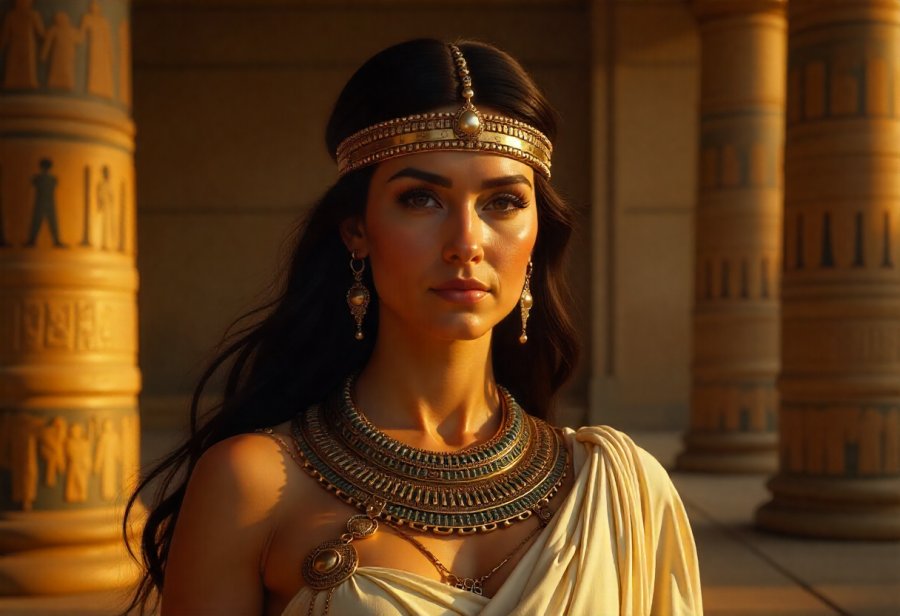
Mastering Power: Cleopatra’s Diplomatic Strategies and Alliances
Cleopatra’s mastery of diplomacy and strategic alliances was rooted in her keen understanding of power dynamics and her ability to adapt to a constantly shifting political landscape. She knew that Egypt’s survival depended less on brute force and more on forging mutually beneficial relationships. Her alliances with Julius Caesar and Mark Antony weren’t just personal connections; they were carefully crafted moves to strengthen Egypt’s independence and influence. Cleopatra’s fluency in Egyptian, Greek, and Latin allowed her to communicate directly and authentically, giving her a clear edge over rivals who depended on intermediaries. Her ability to negotiate treaties that protected her kingdom’s interests demonstrated her diplomatic finesse and strategic foresight.
Her leadership was characterized by a perceptive awareness of her enemies’ motives and a responsiveness that kept her steps ahead. Cleopatra understood that leadership extended beyond issuing commands—it involved reading cultural cues, leveraging symbolism, and using shared customs to reinforce her authority. Small gestures, diplomatic courtesies, and cultural diplomacy became powerful tools she used to build loyalty among her supporters and allies alike. This subtlety, combined with her decisiveness, made her a formidable tactician who could turn vulnerabilities into advantages. Her resilience lay in her capacity to respond swiftly and adjust her strategies to emerging threats.
Her alliances with Rome’s leading figures were driven by a long-term vision for Egypt’s sovereignty. The alliance with Caesar helped her secure her throne amid internal conflicts, showcasing her ability to turn political risks into opportunities. Later, her partnership with Mark Antony was a strategic effort to resist Rome’s dominance and maintain Egypt’s independence. Cleopatra’s diplomatic skill was further reinforced by her deep knowledge of Roman politics, which she used to negotiate treaties that safeguarded her kingdom’s interests. Her ability to communicate directly in Latin and Greek enabled her to build trust and credibility, setting her apart from rivals who relied on intermediaries.
Throughout her reign, Cleopatra combined intelligence gathering with persuasive diplomacy. She was adept at reading her rivals’ weaknesses and exploiting them through well-crafted alliances. Her strategic moves weren’t driven solely by personal ambition but by a genuine understanding of regional power plays. Her ability to respond swiftly to changing circumstances and her skill in exploiting political opportunities kept her one step ahead of internal rivals and external threats. This resilience and flexibility helped her preserve Egypt’s independence longer than many expected.
Cleopatra’s leadership demonstrated that strategic thinking, cultural sensitivity, and resilience are vital for navigating turbulent times. Her diplomatic finesse was central to her success, allowing her to build alliances, negotiate effectively, and adapt to new challenges. Every move was part of a broader effort to protect her kingdom’s sovereignty and elevate Egypt’s standing. Her story affirms that true leadership hinges on the mind—on foresight, relationship-building, and adaptability. Cleopatra’s mastery of diplomacy and statecraft remains a powerful example of how strategic intelligence can shape history.
Cultivating Knowledge: Cleopatra’s Patronage of Alexandria’s Scholars and Arts
Cleopatra’s role as a patron of scholarship and culture in Alexandria played a crucial part in shaping her enduring legacy. She understood that fostering an environment of learning and inquiry would strengthen her kingdom’s influence and prestige. Her support for the Library of Alexandria was more than financial; it was a declaration of her commitment to knowledge as a foundation of power. By backing scientific research, philosophy, and the arts, Cleopatra helped ensure Alexandria remained a vibrant hub of intellectual activity.
She actively engaged with scholars and thinkers, participating in debates and supporting scientific experiments herself. This hands-on involvement reinforced her image as a ruler who valued wisdom and education, not just political authority. Her patronage attracted some of the greatest minds of the ancient world, turning Alexandria into a magnet for innovation and discovery. This intellectual environment provided Egypt with a strategic advantage, elevating its reputation across the Mediterranean and beyond.
Cleopatra’s influence extended into religious and cultural traditions as well. She was deeply familiar with Egyptian religious practices and mythologies, often aligning herself with gods like Isis to bolster her divine authority. This blending of Egyptian tradition with Hellenistic scholarship created a unique cultural identity that reinforced her legitimacy and fostered loyalty among her diverse subjects. Her ability to bridge these worlds helped maintain stability within her kingdom.
Her support for Alexandria’s scholarly pursuits went beyond mere patronage. Cleopatra studied languages, engaged with philosophical texts, and supported scientific endeavors, demonstrating that her strength as a leader was rooted in knowledge. This dedication to learning helped her forge diplomatic ties and project power beyond Egypt’s borders. Her commitment to education and cultural exchange was a strategic move that elevated Egypt’s stature as a center of intellectual achievement.
Throughout her reign, Cleopatra fostered an atmosphere where ideas could flourish. She believed that a well-educated court and a thriving scholarly community were essential for maintaining authority and advancing her kingdom’s interests. Her leadership exemplified how cultural and intellectual pursuits could serve as tools of diplomacy and resilience. This approach not only strengthened Egypt internally but also enhanced its reputation externally.
Her legacy as a scholarly and cultural patron extends far beyond her political achievements. Cleopatra embodied the idea that wisdom, education, and cultural sophistication are vital sources of power. Her active support for Alexandria’s intellectual environment helped cement her reputation as a ruler who understood the importance of ideas in shaping history. This focus on knowledge as a strategic asset remains a defining aspect of her enduring influence.
By nurturing a vibrant intellectual climate, Cleopatra demonstrated that true leadership involves fostering human potential and innovation. Her legacy proves that cultural and scholarly pursuits are not separate from politics but essential to it. Her ability to combine diplomacy, culture, and education helped secure her place as one of history’s most formidable and insightful leaders. Her example shows that the real strength lies in the mind—a lesson that continues to inspire to this day.
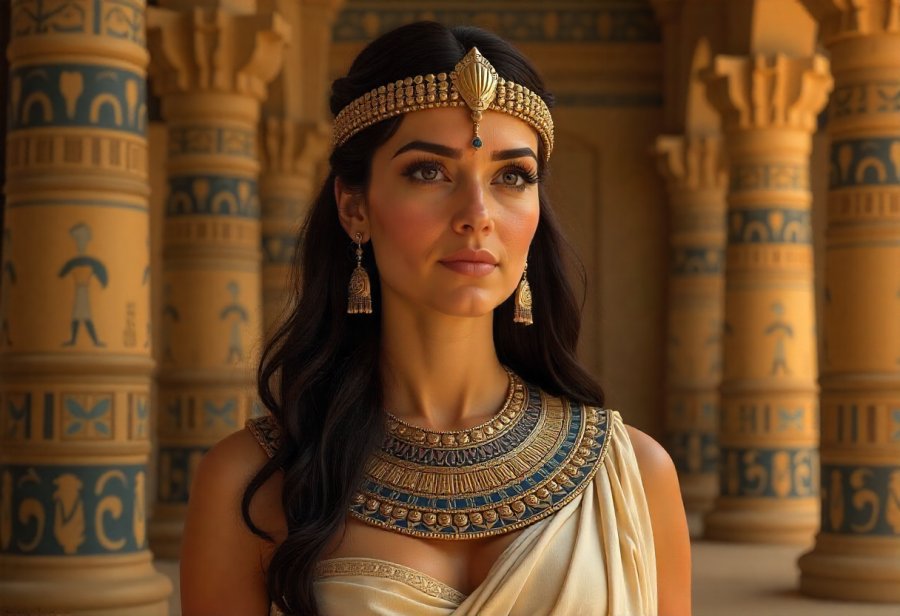
Enduring Legacy: How Cleopatra Continues to Inspire Through History and Culture
Cleopatra’s legacy has endured for more than two millennia, shaped by a mix of historical accounts, scholarly reinterpretations, and popular culture. For centuries, she’s been viewed not just as Egypt’s last pharaoh but as a symbol of intelligence, resilience, and cunning leadership. Modern historians increasingly recognize her as a master diplomat who skillfully navigated complex political landscapes with wit and adaptability. Her reputation as a ruler who relied on her mind rather than just beauty or charm continues to inspire, challenging long-held stereotypes about female leadership.
In stories told through art, film, and literature, Cleopatra’s image often leans into glamour and romance—highlighted in Hollywood movies, paintings, and stories that focus on her relationships with Julius Caesar and Mark Antony. These portrayals, while captivating, tend to overshadow her extraordinary achievements as a scholar, diplomat, and strategist. Today’s scholarship shifts that focus back to her true strengths: her diplomatic finesse, linguistic skills, and ability to shape political outcomes in her favor. This broader perspective reveals her as a woman who wielded her intellect as a powerful tool, not just her allure.
Her story also challenges modern ideas about gender and power. As a woman ruling a major empire in a male-dominated world, Cleopatra defied stereotypes by demonstrating that resilience, wisdom, and cultural savvy are the real sources of strength. Her enduring image as a resilient, intelligent woman fuels ongoing conversations about women’s leadership roles, showing that power isn’t limited by gender but rooted in qualities like strategic thinking and adaptability. Her legacy as a female ruler who thrived in turbulent times continues to resonate, inspiring new generations to reevaluate what leadership truly means.
Across cultures and eras, her story has been retold in ways that reflect contemporary values. Each retelling offers a new lens—sometimes emphasizing her political genius, other times her cultural significance—keeping her relevant and inspiring. Her image as a clever, resilient leader has become a symbol of female strength and intellectual prowess, challenging outdated notions of femininity and power. Her example reminds us that lasting influence often comes from ideas, resilience, and the ability to adapt—timeless qualities that transcend history.
Today, Cleopatra’s story offers lessons for modern leaders and thinkers. Her ability to forge alliances, interpret political signals, and stay resilient amid chaos underscores the importance of strategic foresight and emotional intelligence. Her example demonstrates that true influence comes from understanding people, cultures, and circumstances—skills as vital today as they were in her time. Cleopatra’s legacy is a reminder that the most enduring power resides in the mind, and that leadership rooted in wisdom, adaptability, and cultural insight can leave a lasting mark on history.
Her life shows that leadership isn’t just about power; it’s about the ability to think ahead, build meaningful relationships, and respond flexibly to change. Cleopatra’s story continues to inspire because it exemplifies how intelligence, resilience, and strategic thinking can shape history—lessons that remain vital in today’s complex world. Her enduring influence proves that the most remarkable leaders are those who understand that authentic strength lies in the mind, and that true legacy is built through ideas, adaptability, and the courage to lead with insight.