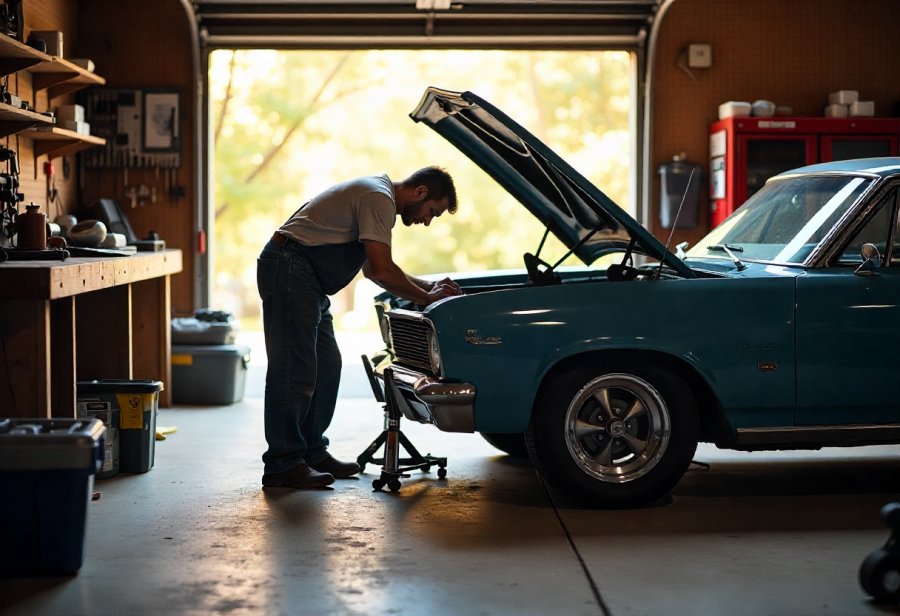
The Ford Mustang stands as an enduring symbol of American muscle, freedom, and rebellion, captivating generations with its bold design and exhilarating performance. But what makes this iconic car a timeless legend amidst mounting challenges? From its revolutionary debut in 1964 to today’s modern iterations, the Mustang’s evolution reflects changing tastes, technological advances, and environmental concerns. As emissions standards tighten and electric vehicles emerge, Ford faces the delicate task of preserving its rebellious spirit while embracing innovation. Can the Mustang adapt without losing its core identity? This exploration reveals how Ford balances heritage with progress—through design, performance, and storytelling—to keep the legend alive for future drivers. Whether through electrification or cultural influence, the Mustang continues to inspire a sense of adventure, pushing boundaries while honoring its storied past. Its future remains uncertain, yet its legacy as an emblem of American grit and freedom endures.
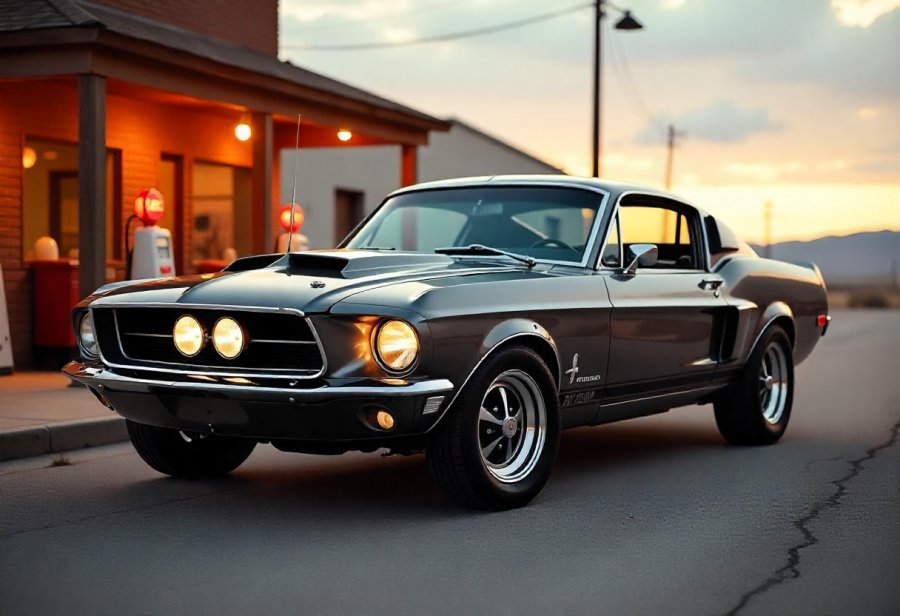
The Mustang: An Enduring Icon of American Culture and Freedom
The Ford Mustang isn’t just a car; it’s a symbol of American culture and innovation that has endured for nearly six decades. Since its debut in 1964, the Mustang has become one of the most recognizable icons in the automotive world. Its bold design, combined with accessible performance, quickly captured the imagination of drivers seeking style and power. Over the years, it has come to embody ideals of freedom, rebellion, and individualism—values deeply rooted in the American identity.
What set the Mustang apart from other cars of its era was its ability to appeal across different audiences. Created under the leadership of Lee Iacocca and a talented team at Ford, it targeted young drivers eager for excitement and style, while also attracting families looking for a versatile yet sporty vehicle. Its affordability and distinctive look helped it become a cultural phenomenon almost overnight. The term “pony car” was born from its sporty yet approachable nature, a segment that continues to thrive thanks to the Mustang’s lasting appeal.
Beyond its eye-catching appearance, the Mustang has become a symbol of American freedom and resilience. During the social upheavals of the 1960s, it resonated with a generation eager to express their individuality. Road trips, adventures, and a sense of unbounded possibility became intertwined with the car’s image. It was more than just transportation; it was an extension of personal identity—an emblem of pushing boundaries and forging one’s own path.
Design elements like the aggressive grille with the iconic pony emblem and its muscular, fastback silhouette contribute heavily to its timeless appeal. Every curve reflects a sense of speed and agility, while inside, the Mustang balances nostalgic touches with modern technology. From its early V8 engines to today’s turbocharged options, performance has remained at its core, ensuring the Mustang’s place as a true American icon. More than a car, it’s a legacy that continues to inspire and define a culture of freedom and power.
Transforming Power: The Evolution of the Mustang Through Decades
Since its debut in 1964, the Ford Mustang has undergone a remarkable transformation that mirrors shifts in design, technology, and performance standards. Its early models boasted muscular simplicity—clean lines, a fastback silhouette, and bold styling cues that made it instantly recognizable. The initial engines, like the 289 cubic inch V8, delivered impressive power for the era, establishing the Mustang as a true muscle car icon. Over time, its design evolved with sleeker profiles, sharper creases, and modern touches such as LED lighting, helping it stay fresh without losing its core identity.
Performance has always been at the heart of the Mustang’s appeal. During the muscle car boom of the late 1960s, models like the Shelby GT500 and 428 Cobra Jet pushed the limits of speed and raw power, cementing its reputation as a symbol of adrenaline and rebellion. As automotive trends shifted through the 1980s and 1990s, Ford refined the Mustang with lighter materials, better handling, and more comfortable interiors, making it more practical while maintaining its sporty edge. These updates kept the Mustang relevant, appealing to new generations eager for a blend of performance and everyday usability.
In recent years, technological advancements have propelled the Mustang into a new era. Modern models now feature turbocharged four-cylinder engines alongside traditional V8s, offering a balanced mix of power and efficiency. Innovations like electronic stability control, adaptive suspensions, and aerodynamic enhancements improve handling and responsiveness. Inside, digital dashboards, connectivity features, and driver-assistance systems cater to today’s tech-oriented drivers, seamlessly blending nostalgia with modern innovation. This continuous evolution in tech ensures the Mustang remains competitive in a rapidly changing market.
Design-wise, Ford has managed to preserve the Mustang’s iconic elements—such as the pony grille and muscular stance—while integrating contemporary details. The fastback shape, a hallmark of its sporty heritage, continues to evoke speed and motion. Subtle aerodynamic tweaks and lightweight materials enhance both aesthetics and performance, creating a visual language that connects its storied past with the present. Every detail, from racing stripes to side vents, nods to its racing roots, reinforcing its identity as a high-performance machine that honors tradition while embracing innovation.
The engine lineup exemplifies this pursuit of excellence. From the early inline-sixes to legendary V8 options like the 5.0-liter Coyote, each generation has pushed the boundaries of power. Today’s turbocharged engines, with direct injection and variable valve timing, deliver exhilarating speed while meeting modern fuel economy standards. This relentless pursuit of performance and refinement demonstrates Ford’s commitment to keeping the Mustang’s legendary status alive, ensuring it continues to thrill and inspire drivers for generations to come.
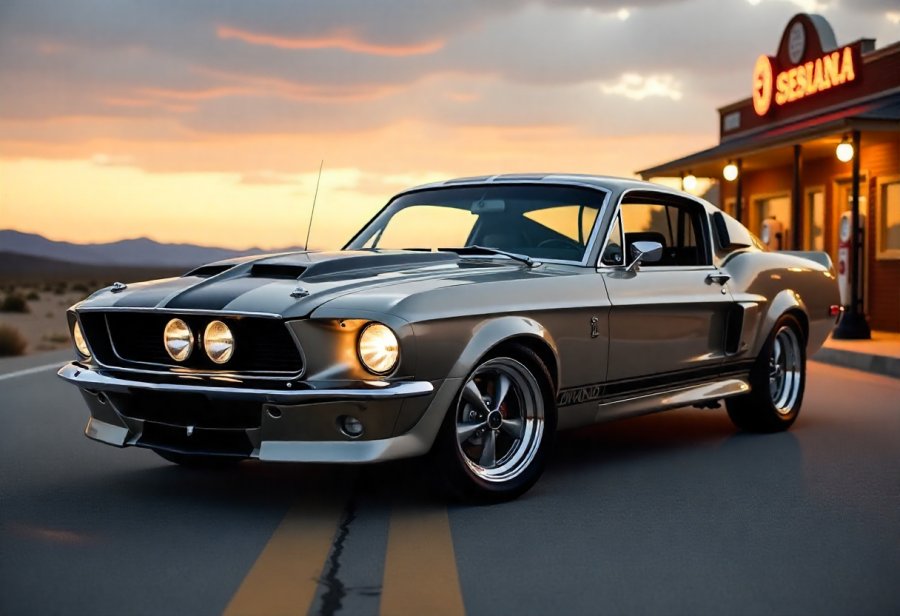
Facing the Future: Challenges Threatening the Mustang’s Legacy
The legendary status of the Ford Mustang faces mounting challenges in today’s rapidly evolving automotive landscape. Environmental concerns and stricter emissions standards put traditional muscle cars under intense scrutiny, as they are often associated with high fuel consumption and pollution. With the rise of electric vehicles promising cleaner, quieter performance, the raw power and visceral roar of a classic Mustang can seem increasingly out of step with modern sustainability goals.
Meanwhile, shifting consumer preferences further complicate the Mustang’s future. Younger drivers tend to prioritize fuel efficiency, advanced safety features, and seamless connectivity over sheer speed and aggressive styling. Although Ford has introduced hybrid and electric variants, some enthusiasts feel these models lack the rebellious spirit that originally defined the car. Balancing heritage with innovation becomes a tightrope walk, risking alienation of traditional fans while trying to attract a new generation.
Market competition is intensifying as electric brands like Tesla demonstrate that high performance can go hand-in-hand with sustainability. The Tesla Roadster and upcoming electric sports cars threaten to eclipse the Mustang’s dominance in speed and technological innovation. This surge in electrification raises questions about whether a gasoline-powered muscle car can sustain its appeal amid a shift toward smarter, greener vehicles.
Design updates aimed at modern tastes also pose a paradox. While sleeker, refined aesthetics attract contemporary buyers, critics argue they dilute the Mustang’s rebellious core. Recent models’ more polished appearance may resemble luxury coupes rather than the aggressive, unrefined muscle cars of the past. This shift can make some longtime fans question whether the car still embodies the power and independence that made it an icon.
Public sentiment reveals a mix of admiration and skepticism. Many loyalists cherish the classic design and visceral performance, but some worry that recent changes compromise the car’s identity. Ford faces the challenge of preserving the Mustang’s rebellious soul while embracing technological and environmental progress, ensuring it remains relevant without losing its essence.
History shows that even icons encounter setbacks—whether through quality issues, changing tastes, or economic shifts. These obstacles can temporarily dim the Mustang’s shine, but they also serve as reminders that resilience and adaptability are vital. The key lies in Ford’s ability to innovate thoughtfully, honoring the legacy while steering toward a sustainable future.
The question remains whether the Mustang can evolve without sacrificing its core character. Its survival depends on balancing respect for its storied past with the demands of a new era. If Ford manages to do that, the Mustang will continue to symbolize American muscle and freedom—timeless virtues that resonate across generations, even as the landscape around it transforms.
A Modern Legend: The Mustang’s Role in Today’s Culture and Automotive Landscape
The Ford Mustang continues to hold a prominent place in today’s automotive and cultural landscape, seamlessly blending its rich history with modern trends. Its design remains a striking symbol of American ideals—performance, freedom, and rebellion—yet it has evolved to meet the aesthetic expectations of contemporary drivers. Sleek, aggressive lines, a distinctive fastback silhouette, and modern lighting technology like LED headlights give the latest models a fresh, sharp appearance that still pays homage to its classic roots.
Culturally, the Mustang’s presence is everywhere—from blockbuster movies and hit music videos to social media feeds—reinforcing its image as an icon of adventure and independence. It has starred in countless films, from the legendary “Bullitt” chase scenes to modern blockbusters, embedding itself into the fabric of American entertainment. Enthusiast communities worldwide celebrate its legacy through car meets, online forums, and social platforms, ensuring the Mustang’s influence extends far beyond the road, inspiring a new generation of fans.
Today’s social landscape shows a broader appeal for the Mustang as more than just a muscle car. It’s a vehicle that symbolizes personal expression and individuality. Ford’s recent introduction of hybrid and electric versions reflects an understanding that sustainability is becoming central to modern automotive culture. These models aim to deliver the exhilarating performance enthusiasts love, but with a smaller environmental footprint, appealing to eco-conscious drivers without sacrificing the thrill of driving.
Design updates have preserved the Mustang’s most recognizable features—the pony grille, muscular stance, and racing-inspired details—while integrating contemporary elements like aerodynamic enhancements and lightweight materials. These tweaks improve handling, efficiency, and aesthetics, creating a visual language that honors its racing heritage while embracing innovation. The fastback shape continues to evoke speed and motion, connecting past and present in every curve.
Engine technology has advanced significantly, allowing the Mustang to deliver both excitement and efficiency. Turbocharged four-cylinder engines now sit alongside traditional V8s, providing a range of options for different driving preferences. Technologies such as direct injection and variable valve timing make these engines more responsive and environmentally friendly, ensuring the Mustang remains competitive and relevant in an increasingly green-focused market.
Innovations in connectivity and driver-assistance features have further integrated the Mustang into modern life. Digital dashboards, smartphone integration, and smart safety systems enhance the driving experience, making it more convenient and secure. These updates demonstrate Ford’s commitment to meeting today’s tech-savvy drivers’ needs, all while maintaining the raw, rebellious spirit that defines the Mustang.
Overall, the Mustang’s ability to adapt visually, technologically, and culturally ensures its relevance amid today’s fast-changing world. It continues to embody the ideals of freedom, power, and innovation—values that resonate across generations. By balancing tradition with progress, the Mustang remains more than a car; it’s a living legend that inspires and excites, proving that its legacy is as vibrant and impactful as ever.
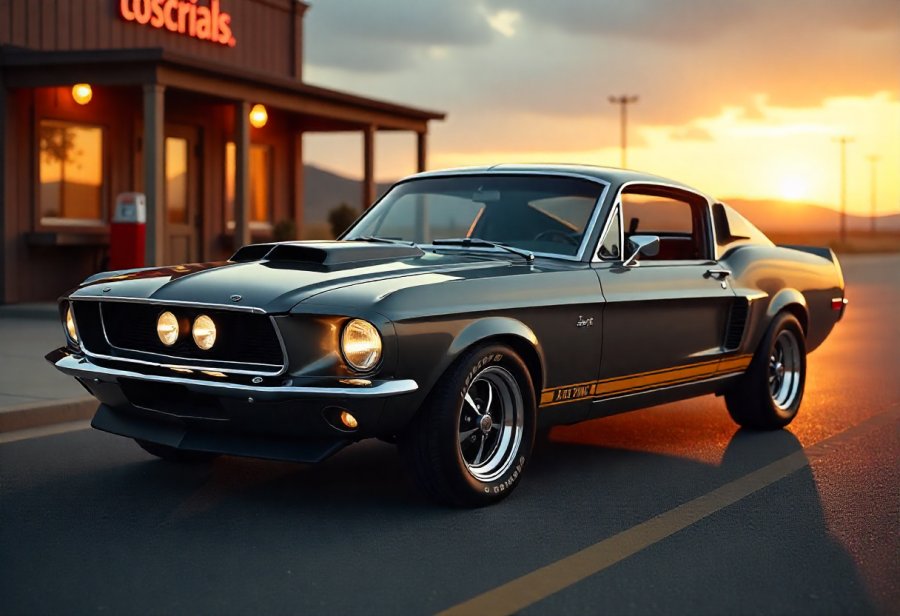
Securing the Future: Strategies to Preserve the Mustang’s Iconic Heritage
To keep the Mustang’s legacy alive for future generations, Ford is dedicated to balancing respect for its iconic design with ongoing innovation. Preserving signature features like the pony grille, muscular stance, and fastback silhouette ensures immediate recognition while allowing for modern updates. Incorporating lightweight materials, aerodynamic enhancements, and advanced lighting not only boosts performance but also maintains the car’s bold character—without sacrificing its visual DNA.
Connecting with new audiences is equally vital. Ford leverages digital platforms, social media campaigns, and immersive experiences to tell the Mustang story in fresh, engaging ways. Virtual reality test drives, customization tools, and collaborations with influencers bring its heritage to life for a younger, tech-savvy crowd. Supporting local car clubs and hosting events foster a community that values both the history and future of the Mustang, reinforcing its status as more than just a vehicle.
Sustainability is now a core part of the Mustang’s evolution. Ford is actively developing hybrid and electric models that promise the same adrenaline rush while reducing environmental impact. These new versions feature innovative tech like smart driver-assistance systems and connectivity options, appealing to eco-conscious consumers who still crave performance and independence. This blend of tradition and progress reassures enthusiasts that the rebellious spirit of the Mustang can thrive in a greener world.
Storytelling remains a powerful tool in safeguarding the Mustang’s cultural relevance. Celebrating its role in movies, music, and pop culture through documentaries, museum exhibits, and social media campaigns keeps its legend alive. These efforts inspire pride and connection among diverse communities, ensuring the Mustang’s influence continues to grow beyond the road. Sharing stories of its heritage helps new generations understand why it remains a symbol of American resilience and innovation.
Educational initiatives further ensure the Mustang’s history is passed down. Collaborations with museums and schools highlight its significance in automotive history, making its story accessible and engaging for young fans. These programs deepen appreciation for its design, performance, and cultural impact, fostering a sense of shared ownership and pride. By nurturing this understanding, Ford helps cultivate a new generation of enthusiasts committed to preserving its legacy.
Looking ahead, Ford’s focus is on thoughtful innovation rooted in tradition. Developing new models that combine electrification, cutting-edge technology, and classic design elements ensures the Mustang’s rebellious spirit endures. Listening to enthusiasts, embracing change, and celebrating its storied past will keep the Mustang a symbol of American ingenuity and freedom for generations to come. Through this balance, the legend continues to inspire, captivate, and evolve without losing what made it an icon.