Learning to ride a bike is more than a childhood milestone; it is a profound journey of courage, resilience, and family bonds. This rite of passage transforms nervous wobbling and falls into triumphant moments of independence and joy. But does the fear of falling outweigh the thrill of freedom? The story explores how patience, safety, and unwavering support turn shaky starts into confident rides, emphasizing that setbacks are essential steps in growth. Throughout history, bicycles have symbolized independence, and modern innovations continue to make learning safer and more accessible. This narrative invites readers to reflect on how overcoming fears and practicing perseverance shape not only skilled cyclists but resilient individuals. As you delve into these stories of small victories and shared encouragement, you’ll ask: are the risks worth the rewards? Ultimately, it’s a testament to how trust, effort, and family support empower us to face life’s challenges with confidence.
The Emotional Journey of Learning to Ride a Bike
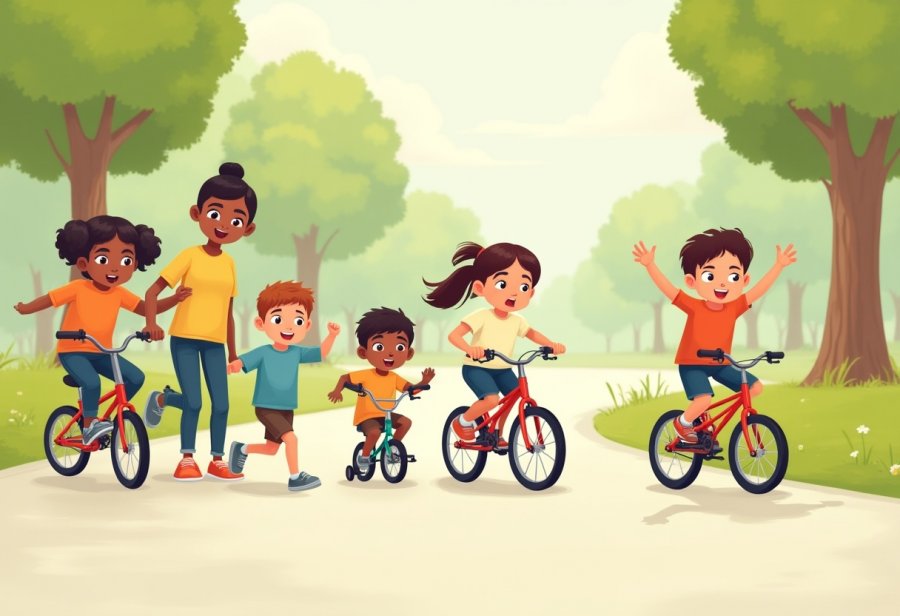
Learning to ride a bike might seem like a simple childhood milestone, but for many, it’s a moment filled with powerful emotions. It’s the first taste of independence, a small step that feels like a giant leap in confidence. The nervous wobbling, tentative pushes of pedals, and cautious glances over the shoulder all build up to that triumphant moment when balance finally clicks into place. These early experiences aren’t just about mastering a skill—they’re about creating memories of perseverance, support, and achievement that stick with us for years.
For kids, learning to ride a bike is more than just a physical activity; it’s a rite of passage that symbolizes trust and resilience. The bike transforms from a toy into a vessel of freedom, representing the ability to explore beyond familiar bounds. The journey often involves overcoming fears of falling or losing control, but with each small victory, children start trusting their own abilities more. The encouragement from family and friends plays a vital role here, turning nervous attempts into moments of pride and joy.
The physical act of riding is a complex coordination of balance, timing, and movement—skills that take time to develop. Kids will wobble, stumble, and sometimes fall, but these setbacks are part of the process. Every fall teaches resilience, and each wobble provides a lesson in understanding personal limits. When children finally manage to ride unaided, the sense of accomplishment is profound. It’s a thrill that is often celebrated with cheers and applause, reinforcing that patience and persistence are key to turning effort into success.
Culturally, learning to ride a bike holds deep roots. Bicycles have long been symbols of freedom and independence, especially for children. Over the years, innovations like training wheels and safety gear have made the process safer and more accessible. In communities around the world, teaching a child to ride often becomes a shared event—marked by family gatherings and neighborhood rides that emphasize resilience and adventure. These traditions highlight how cycling is woven into childhood, a universal gateway to exploration and self-reliance.
Ultimately, learning to ride a bike reflects a broader journey of growth. It involves confronting fears, practicing patience, and celebrating small wins. The support from loved ones turns what might seem like a daunting challenge into an empowering experience. These lessons in trust, perseverance, and independence stay with us long after we’ve mastered the pedals, shaping how we face future challenges. Learning to ride isn’t just about balancing on two wheels—it’s about discovering the courage to move forward, even when the path feels uncertain.
Tracing the Roots: The History and Culture of Biking as Childhood Milestone
The story of learning to ride a bike stretches back over a century, reflecting broader shifts in society and childhood itself. In the early 1900s, bicycles became more affordable and widespread, opening up new possibilities for children to explore their world beyond walking or supervised outings. Riding a bike shifted from a novelty to a rite of passage, often celebrated with family outings or neighborhood races that marked milestones of growth and confidence. These early traditions helped embed cycling into the fabric of childhood experiences, symbolizing freedom and independence.
As bicycles evolved, so did the methods children used to learn. Parents and older siblings often introduced kids to riding on simple, pedal-less bikes or makeshift vehicles, gradually building their confidence. The invention of training wheels in the 1920s was a game-changer, providing stability and making learning safer and more accessible. These innovations transformed what once seemed like a daunting challenge into an achievable goal, encouraging repeated practice and perseverance. Over time, safety gear like helmets and pads became standard, further fostering a culture of safe, confident riding.
Culturally, biking has come to symbolize resilience and adventure. Stories from around the world, along with movies and traditions, depict cycling as a pathway to independence. For many communities, teaching a child to ride is more than just a skill—it’s a shared event that brings families and neighbors together, celebrating progress and joy. These collective moments reinforce the idea that cycling is a universal experience of growth, connecting people across different backgrounds and generations.
Throughout history, inspiring figures and stories have underscored the importance of perseverance in learning to ride. Pioneers like Alfred Letourneur, known for daring cycling feats, and modern icons such as BMX legend Dave Mirra, have motivated countless children to see biking as an act of bravery. Their stories highlight that overcoming fears and practicing patience are essential steps in turning shaky beginnings into lifelong passions. These narratives remind us that the journey from wobbling to confident riding is a shared story of resilience and growth.
Today, the significance of learning to ride continues to grow worldwide. Advances in bike technology, safety features, and inclusive designs reflect society’s commitment to making cycling accessible and fun for everyone. Cycling remains a powerful symbol of childhood independence, offering kids a tangible way to explore, build confidence, and connect with their surroundings. From its early roots as a simple mode of transport to its role as a universal childhood milestone, riding a bike embodies the spirit of adventure and resilience that stays with us for life.
Foundations of Confidence: Key Concepts in Riding Success
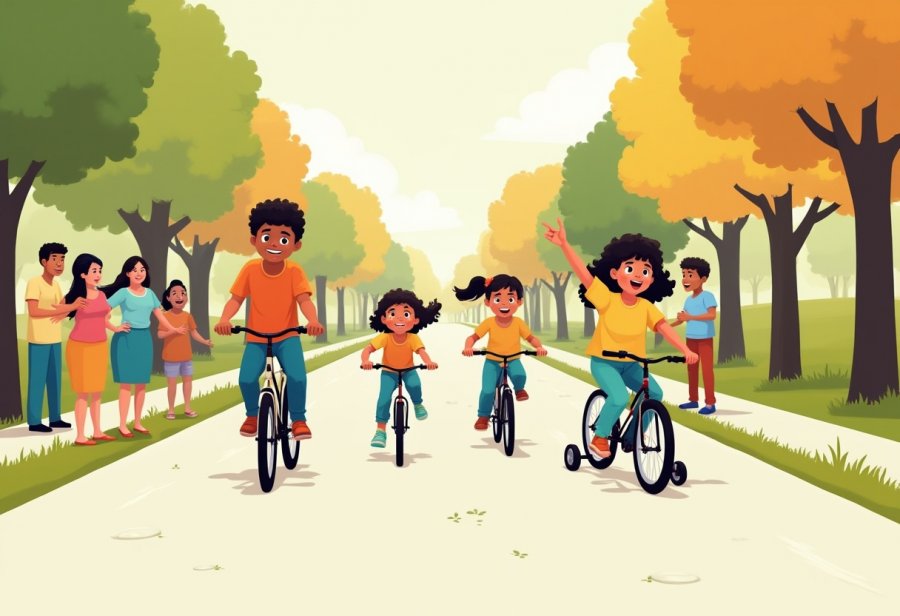
Learning to ride a bike relies on mastering a few key ideas that form the foundation of confidence and safety. Balance is central—finding that steady point where kids feel in control makes all the difference. When children develop good balance, pedaling and steering become more natural, transforming small successes into bigger achievements. Starting with simple practices, like riding on grass or flat pavement, helps kids feel secure and encourages them to try more challenging maneuvers.
Safety isn’t just about rules; it’s about creating an environment where kids feel protected and eager to practice. Wearing helmets, knee pads, and elbow pads becomes second nature when parents emphasize their importance from the start. This protective gear not only prevents injuries but also helps children build confidence, knowing they’re safeguarded while exploring. When safety feels like a normal part of riding, children are more willing to take risks and learn from their experiences.
Overcoming the fear of falling is often the biggest hurdle for young riders. Many hesitate because they worry about getting hurt, but gradual exposure can help ease those fears. Starting on soft surfaces and with support, then slowly removing those supports as confidence grows, allows kids to see falling as part of the learning process—not a failure. Praising their efforts and celebrating small wins reinforce that setbacks are just steps toward mastery, encouraging persistence and resilience.
Building confidence depends on consistency and patience. Repeating simple tasks like balancing, pedaling, and steering helps muscles and minds coordinate, gradually turning effort into instinct. When children receive steady encouragement and celebrate their progress, they develop a positive attitude toward riding. This mindset helps them see challenges as opportunities rather than obstacles, making the learning process smoother and more enjoyable.
Understanding these core concepts—balance, safety, fear management, and confidence—sets the stage for a lifelong love of cycling. When kids grasp these ideas early, they not only develop skills but also foster resilience that extends beyond biking. Riding becomes more than just a skill; it’s a symbol of trust in oneself and an invitation to explore the world with courage. This foundation turns a shaky start into a confident ride, opening the door to countless adventures ahead.
Practical Tips and Strategies for Parents and Kids
Creating a supportive environment is essential when helping a child learn to ride a bike. Simple gestures like praising small successes—whether it’s balancing without training wheels or pedaling steadily—can boost their confidence and motivate them to keep trying. Starting on flat, soft surfaces like grass or smooth pavement allows kids to focus on balancing without the fear of hard falls. These gentle settings make the process less intimidating and more enjoyable, encouraging kids to experiment and learn at their own pace.
Using training wheels initially provides a sense of stability that helps children build coordination and confidence. As they get more comfortable, gradually removing the training wheels encourages independence and trust in their own balance. Pair this transition with safety gear—helmets, knee, and elbow pads—to protect against falls. When kids see safety as a normal part of riding, they tend to feel more secure and eager to practice, which fosters a positive attitude toward cycling.
Encouragement and patience are the cornerstones of successful learning. Keep lessons short, playful, and filled with positive reinforcement. Celebrating every small milestone, like starting to pedal or turning smoothly, helps children associate riding with fun rather than fear. Remember, wobbling or falling aren’t signs of failure—they’re opportunities to learn resilience. Praising their effort, rather than perfection, reinforces a growth mindset that keeps motivation high even when progress feels slow.
Making practice a regular part of the routine helps develop muscle memory and confidence. Short, frequent sessions are more effective than long, exhausting ones, reducing frustration and keeping enthusiasm alive. Incorporate playful activities like balancing on one foot or riding along a line, which strengthen core muscles and improve stability. These fun exercises pave the way for smoother, more controlled future rides.
Family support extends beyond physical assistance. Sharing stories of your own learning experiences or encouraging children to express their fears builds trust and reassurance. When kids feel understood and supported, they’re more willing to face challenges and push past setbacks. Creating a pressure-free atmosphere turns learning into a bonding experience rather than a stressful task, fostering a love for riding that can last a lifetime.
Patience and persistence are key. Learning to ride isn’t about quick results but steady progress. Celebrate small wins, like balancing without support or riding a few meters confidently, to build momentum. These moments reinforce that effort pays off and turn the journey into a series of achievable steps. When children realize that setbacks are part of growth, they develop resilience and confidence that extend well beyond the bike.
Finally, safety gear isn’t just about protection—it’s about building confidence. Knowing they’re protected makes children more willing to try new maneuvers and take risks. Pairing safety equipment with gentle encouragement helps kids feel secure enough to push their boundaries. With consistent practice, patience, and support, children will soon be riding confidently and loving every minute of their newfound independence.
Celebrating Growth: Final Reflections on the Joy of Learning to Ride
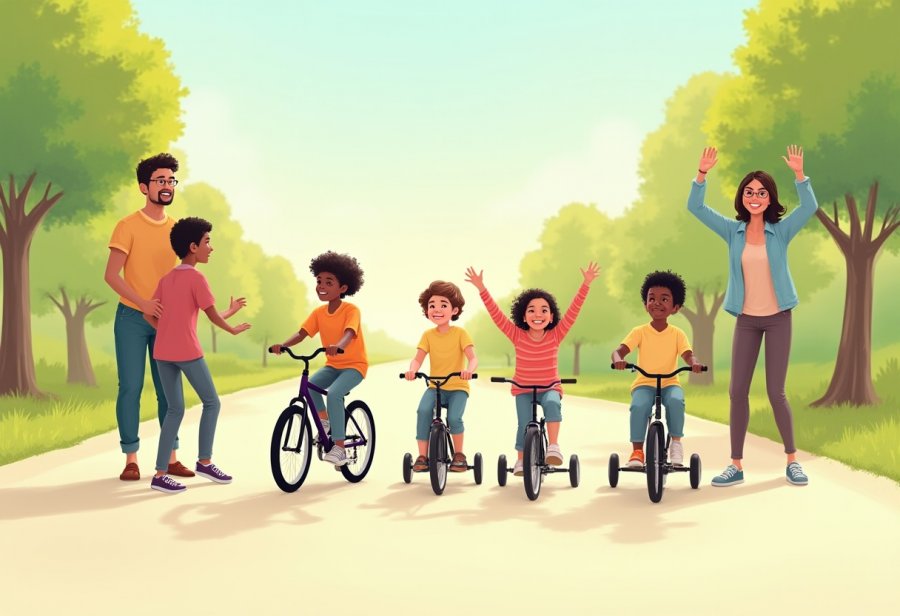
Learning to ride a bike is a milestone that stays with us long after the first pedals turn. It’s a journey filled with small victories, setbacks, and moments of pride that teach resilience and confidence. These lessons extend beyond just balancing on two wheels—they shape how we approach challenges, trust ourselves, and embrace new experiences. The support of family and friends makes a huge difference, turning what could be a nerve-wracking task into a time of celebration and bonding.
Falls and wobbling are part of the learning process, but they also carry valuable lessons. Every stumble teaches children about their limits, and each fall shows that resilience is key to progress. When loved ones cheer them on and help them get back up, it reinforces that support and encouragement matter just as much as skill. This mindset fosters a healthy attitude toward risk, helping kids see setbacks as natural steps toward mastery.
Patience plays a crucial role. Learning to ride isn’t about quick success but consistent progress. Celebrating small wins—like balancing without support or riding a few meters confidently—builds momentum and confidence. These moments turn hesitation into independence, making the experience more rewarding and less intimidating. Creating a positive, pressure-free environment where effort is recognized encourages children to view challenges as opportunities rather than obstacles.
Safety measures, such as helmets and pads, aren’t just precautions—they’re confidence builders. Knowing they’re protected allows children to try new maneuvers and push their boundaries. When safety feels like a normal part of riding, kids are more eager to practice and learn. Over time, this combination of safety and support transforms cycling from a daunting challenge into a joyful activity that fosters independence and resilience.
The memories created during this process—family cheers, triumphant rides, even the falls—become part of a larger story of growth. These moments teach children that overcoming fears and persevering through setbacks are essential parts of life. They learn to trust their abilities and understand that persistence pays off, shaping their approach to future challenges with confidence and optimism.
Encouraging a love for riding involves more than just physical skills. It’s about nurturing a mindset that embraces effort, celebrates progress, and views mistakes as part of learning. When children experience the joy of mastering their first bike ride, they also discover that courage, patience, and support are the real keys to success. These lessons stay with them, fueling their adventures and growth long after they’ve left their training wheels behind.
In the end, learning to ride a bike isn’t just about the bike itself. It’s about building a foundation of resilience, independence, and trust. Every wobble, every fall, and every triumphant ride becomes a stepping stone to confidence that extends far beyond the handlebars. As children grow and explore, these early experiences remind them that with perseverance and support, they can tackle any challenge that comes their way.