What if true leadership doesn’t depend on external conquest or power but on mastering oneself? Marcus Aurelius exemplified this paradox, ruling an empire through inner discipline rooted in Stoic virtues. His life suggests that resilience, self-control, and moral clarity are the real foundations of lasting influence. This internal strength—cultivated through reflection, patience, and deliberate habits—enabled him to navigate wars, plagues, and political turmoil with calm composure. Today’s leaders can learn from his example, realizing that external success is fleeting without inner mastery. Developing resilience and self-awareness becomes a strategic, transformative act—one that fosters trust, stability, and authentic influence. Could the secret to powerful leadership lie not in what we achieve outwardly, but in how well we govern our inner worlds? Marcus Aurelius’s life invites us to explore this timeless question and embrace inner discipline as the ultimate source of strength.
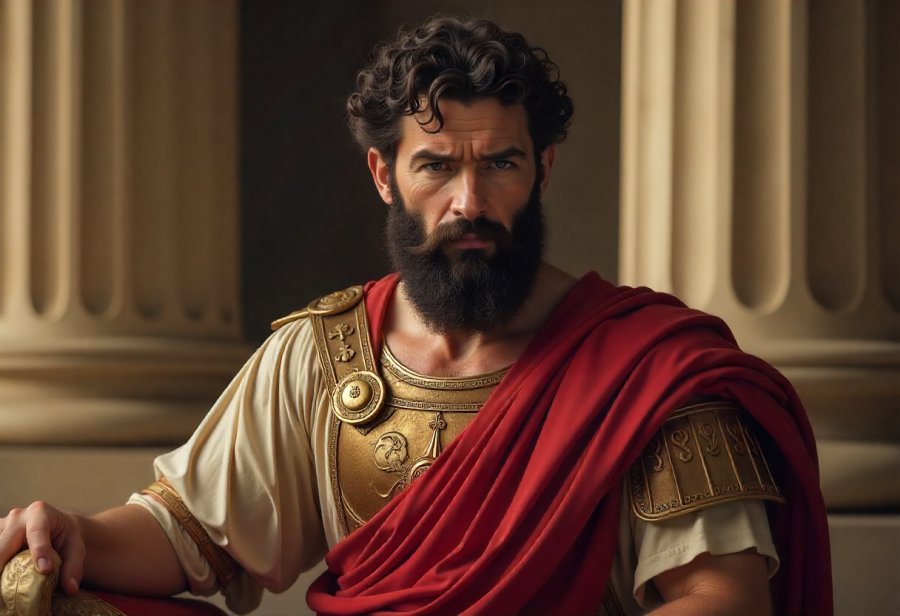
Inner Discipline as the Foundation of True Leadership Power
Leadership often brings to mind images of power—conquering enemies, expanding territories, and making bold, visible moves. But history shows that the strongest leaders aren’t always those who dominate outwardly. Sometimes, their true strength is more subtle, rooted deep within. Marcus Aurelius, the Roman emperor and Stoic philosopher, exemplifies this idea perfectly. Despite ruling an expansive empire through wars, political upheaval, and crises, he remained calm and centered. His secret wasn’t just military might or political cunning but his mastery over his inner life.
This inner discipline became the foundation of his leadership. It’s what allowed him to act with integrity and clarity amid chaos. His writings in Meditations reveal a focus on controlling passions, practicing patience, and maintaining moral focus. These virtues helped him stay steady during turbulent times, inspiring loyalty and trust from those around him. External victories may fade, but inner strength provides a resilient anchor that keeps a leader grounded no matter what challenges arise.
In a world obsessed with external success—profits, fame, headlines—Marcus’s example offers a different perspective. His leadership was rooted in inner discipline, in the commitment to living by moral virtues that foster resilience and wisdom. Rather than chasing external validation, he prioritized self-awareness and moral clarity. This internal strength became his most powerful asset, shaping him into a leader who was not just a ruler but a moral compass for his people.
What makes this approach so compelling is that inner discipline isn’t just philosophical talk; it’s a practical tool. When leaders develop resilience and self-control, they can handle setbacks more effectively. They remain less reactive and more thoughtful—qualities that inspire confidence and foster stability. Marcus Aurelius’s Stoic practices of reflection and acceptance turned inner mastery into external stability, demonstrating that how we govern ourselves is the key to how we lead others.
Today’s leaders face rapid change and relentless pressure, making this lesson more relevant than ever. External success can be fleeting, but inner discipline offers a steady foundation. Developing resilience and patience helps leaders stay grounded, make better decisions, and act with integrity. Marcus’s example reminds us that the most enduring influence comes from within—by mastering ourselves first, we create a legacy that lasts beyond external achievements.
Building Inner Resilience, Self-Mastery, and Mental Fortitude
Inner discipline forms the core of what we often call true strength. It’s about cultivating resilience—the ability to remain calm and steady regardless of external pressures—and developing self-mastery, which means exercising control over impulses, emotions, and passions rather than being ruled by them. When these qualities are cultivated, they create a mental fortress that allows individuals to maintain clarity and composure, even during life’s most turbulent moments.
Resilience is especially vital for leaders navigating constant change and unpredictability. It’s the mindset that keeps them grounded when criticism, setbacks, or chaos threaten to shake their stability. Marcus Aurelius exemplified this through his Stoic practice of viewing obstacles as opportunities to practice patience and virtue. Instead of reacting impulsively, he trained himself to see difficulties as part of a larger picture, reinforcing his inner strength and ability to adapt without losing resolve.
Self-mastery goes hand in hand with resilience. It involves controlling inner dialogue, impulses, and emotional reactions that can cloud judgment. Marcus’s daily routines of reflection, journaling, and meditation helped reinforce this discipline. By examining his thoughts and reactions regularly, he developed the ability to pause before acting, ensuring his responses aligned with his values. This internal regulation fosters trust and integrity, foundational qualities for authentic leadership.
Mental fortitude is the backbone of leadership resilience. It’s the capacity to remain steady in the face of chaos, viewing setbacks as chances to learn and grow. Marcus Aurelius’s acceptance of life’s hardships—whether war, plagues, or personal loss—demonstrates this trait. His calm and steady demeanor inspired confidence among his followers, showing that inner calm provides the clarity needed for thoughtful decision-making that serves long-term interests rather than reacting impulsively.
Developing inner discipline also involves cultivating habits that reinforce these virtues. Practices like mindful listening, deliberate responses, and regular self-assessment help embed resilience and self-control into daily routines. Over time, these habits make discipline feel natural, strengthening the capacity for inner mastery. Leaders who prioritize this internal work not only improve their own decision-making but also foster a culture of stability and integrity within their teams.
In essence, inner discipline isn’t a one-time achievement but an ongoing journey. It requires humility to recognize growth areas and patience to develop new habits. Leaders committed to this internal work build character and influence rooted in authenticity and moral clarity. Such resilience and self-control become powerful tools, enabling leaders to navigate uncertainty with confidence and inspire trust through their consistent, centered presence.
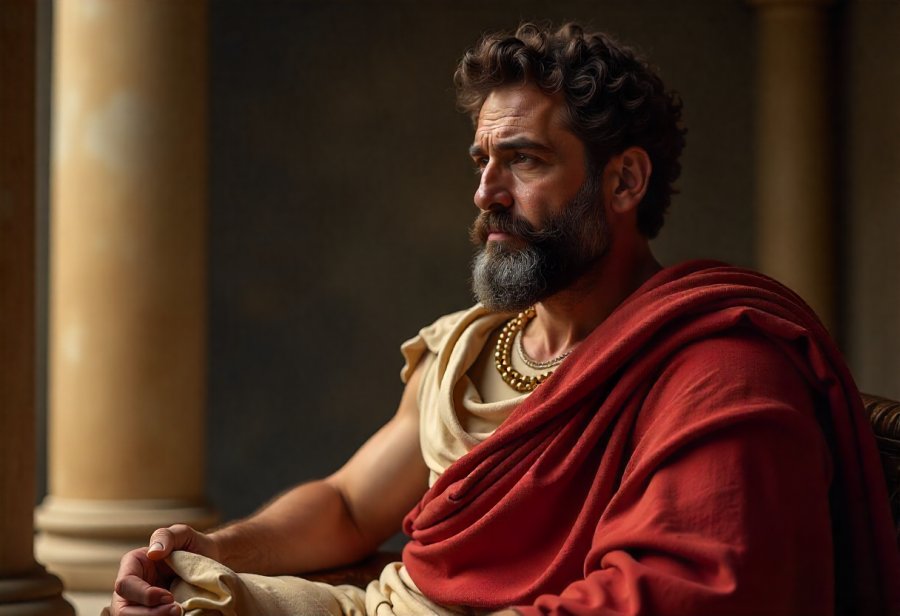
Integrating Inner Discipline into Leadership Practices
Applying inner discipline in leadership begins with cultivating genuine self-awareness. Leaders can develop this by establishing daily routines of reflection, such as journaling or meditation, to observe their thoughts and emotional responses without immediately acting on them. This mental pause creates space for reason to guide reactions instead of impulses driven by stress or ego, fostering a more measured approach to decision-making. Over time, these habits become second nature, embedding virtues like patience, humility, and focus into everyday life.
Practicing discipline also involves setting deliberate routines that reinforce core virtues. Starting the day with quiet contemplation or ending it with a review of lessons learned helps build a mental framework that encourages thoughtful responses rather than reactive ones. These small, consistent acts strengthen resilience and self-control, creating a steady foundation for leadership. When leaders embody these routines, they inspire their teams through example, demonstrating that discipline is a living, daily practice.
Facing challenges with a growth mindset transforms setbacks into opportunities for inner strengthening. Viewing difficulties as natural parts of development encourages resilience and patience. Marcus Aurelius exemplified this attitude by accepting hardships as part of life’s process. Reframing obstacles this way fosters a calm, steady approach that reassures followers and models how to handle adversity without losing composure. It’s about embracing challenges as catalysts for growth, not disruptions to stability.
Applying inner discipline also means making conscious choices aligned with core values. Resisting frustration, avoiding impulsive decisions, and responding deliberately in high-pressure moments demonstrate mastery over impulses. These intentional actions reinforce inner strength and build credibility, especially when leaders remain composed amid chaos. Consistency in these responses signals authenticity and moral clarity, strengthening trust and inspiring confidence.
Creating a culture of discipline extends beyond individual effort. Leaders should promote open dialogue about virtues like patience and humility within their teams. Encouraging regular reflection and accountability helps embed these principles into organizational routines. When discipline becomes a shared value, it cultivates a resilient environment where everyone understands that inner mastery supports sustainable success.
While external achievements may garner recognition, lasting influence depends on internal mastery. Leaders who prioritize inner discipline stay grounded in turbulent times. Their calm authority and moral clarity foster trust and loyalty, creating a ripple effect that elevates the entire organization. Marcus Aurelius’s life teaches us that true power lies in governing oneself first, with external results simply echoing that internal strength.
Building inner discipline is a continuous journey, not a one-time achievement. It requires humility to recognize growth areas and patience to develop new habits. Leaders committed to this process understand that mastery over oneself enhances character and influence. By consistently refining self-awareness and emotional regulation, they set a powerful example—one rooted in authenticity, resilience, and moral clarity that elevates their leadership and legacy.
Insights from Philosophers, Psychologists, and Leaders on Inner Strength
Experts across philosophy, psychology, and leadership consistently highlight that inner discipline is the foundation of genuine strength. Philosophers like Marcus Aurelius and Seneca viewed self-control not just as personal virtue but as the core of authentic influence. Their writings remind us that external power is fleeting, but mastering oneself creates a character that endures beyond external circumstances. Psychology echoes this perspective, showing that self-regulation and emotional resilience are essential for effective decision-making and mental well-being. Leaders who develop these traits manage stress and criticism more effectively, inspiring confidence and stability within their teams.
Leadership thinkers also emphasize practices such as mindfulness, reflection, and deliberate habit formation. Regular routines like journaling or meditation help deepen self-awareness and foster emotional control. These habits create mental space for thoughtful responses, reducing impulsivity and aligning actions with core values. When leaders consistently practice inner discipline, it becomes an integral part of their leadership style, setting a tone of authenticity and moral clarity that influences organizational culture. This internal strength acts as a stabilizing force, especially during turbulent times.
Many contemporary leaders exemplify this philosophy through their actions. Satya Nadella’s emphasis on empathy and self-awareness transformed Microsoft’s culture, demonstrating how inner discipline can drive organizational change. Similarly, Jacinda Ardern’s calm and moral leadership during crises showcases the power of patience, humility, and clarity—virtues rooted in inner mastery. Their examples prove that inner discipline isn’t just a personal virtue but a strategic asset that enhances influence and trust.
Building inner strength isn’t always straightforward; it requires humility to recognize growth areas and patience to develop new habits. Leaders who embrace this ongoing journey understand that mastery over themselves amplifies their ability to lead with integrity and resilience. Cultivating resilience, self-control, and mental fortitude becomes a continuous process, shaping not only their character but also inspiring those around them. When inner discipline is prioritized, it creates a ripple effect that elevates entire organizations and fosters lasting trust.
Ultimately, the convergence of philosophy, psychology, and leadership practice affirms that inner discipline is the true source of lasting influence. It’s the quiet power that sustains leaders through chaos and change, making their impact more genuine and enduring. Leaders who cultivate this internal strength set a moral and emotional example that stands the test of time, proving that the greatest leadership begins from within.
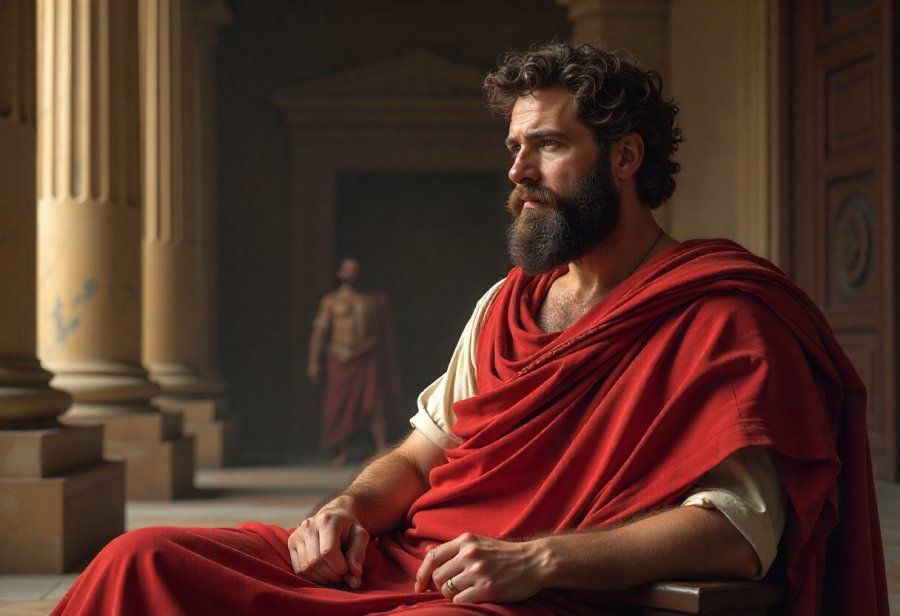
The Enduring Power of Inner Discipline in Leadership
Inner discipline stands as the cornerstone of truly powerful leadership. Figures like Marcus Aurelius remind us that the strongest leaders are those who first master themselves. Their influence isn’t solely built on external achievements but on virtues like patience, humility, and moral clarity cultivated within. This internal strength offers stability in turbulent times and provides a clear compass for decision-making, no matter what chaos surrounds them.
Throughout history and today’s world, leaders who prioritize inner discipline demonstrate that authentic influence springs from within. Their ability to govern their emotions and impulses inspires trust and loyalty in others. When leaders focus on developing resilience, self-control, and wisdom, they create a legacy rooted in integrity rather than fleeting external success. This internal strength becomes the foundation that sustains long-term impact and respect.
Research from psychology and leadership studies confirms that self-regulation and emotional resilience are essential for enduring influence. Leaders who cultivate these qualities handle setbacks more effectively and make clearer decisions under pressure. Their calm confidence reassures teams, fostering a stable environment where growth and innovation can flourish. It’s a quiet, enduring power that’s less flashy but far more lasting.
The teachings of philosophers like Marcus Aurelius and Seneca show us that mastering oneself unlocks true freedom and influence. External victories fade, but inner virtues shape character and legacy. Modern leaders like Satya Nadella and Jacinda Ardern exemplify how inner discipline—manifested through empathy, patience, and moral clarity—can guide organizations through complex challenges and inspire collective trust.
Building this inner discipline is an ongoing journey. It demands humility to recognize areas for growth and patience to develop new habits. Leaders committed to this internal work understand that mastery over themselves enhances their character and influence. By continuously refining self-awareness and emotional regulation, they set a powerful example—one rooted in authenticity, resilience, and moral clarity that elevates their leadership and leaves a lasting imprint.
In the end, governing oneself well is the most impactful form of leadership. Inner discipline isn’t flashy, but it’s resilient enough to withstand the tests of time and circumstance. Leaders who prioritize self-mastery craft legacies built on trust, moral strength, and lasting influence. Their influence endures beyond external circumstances, proving that the greatest power lies within.