Nylon is woven into the fabric of our daily lives, cherished for its strength, flexibility, and affordability across countless products—from activewear to home furnishings. Yet beneath its convenience lies a complex web of environmental consequences: its production relies heavily on fossil fuels, releasing vast amounts of greenhouse gases, pollutants, and toxic waste that harm ecosystems and contribute to climate change. Once discarded, nylon persists in landfills for centuries, shedding microfibers that contaminate oceans and threaten marine life. As demand continues to grow, so does the ecological footprint—fueling the microplastic crisis and risking environmental health worldwide. This stark contrast between nylon’s utility and its hidden costs prompts a vital question: can industry innovation and sustainable alternatives, like recycled or bio-based fibers, break this cycle? Exploring nylon’s journey reveals a pressing need for responsible production and consumption to protect our planet’s future.
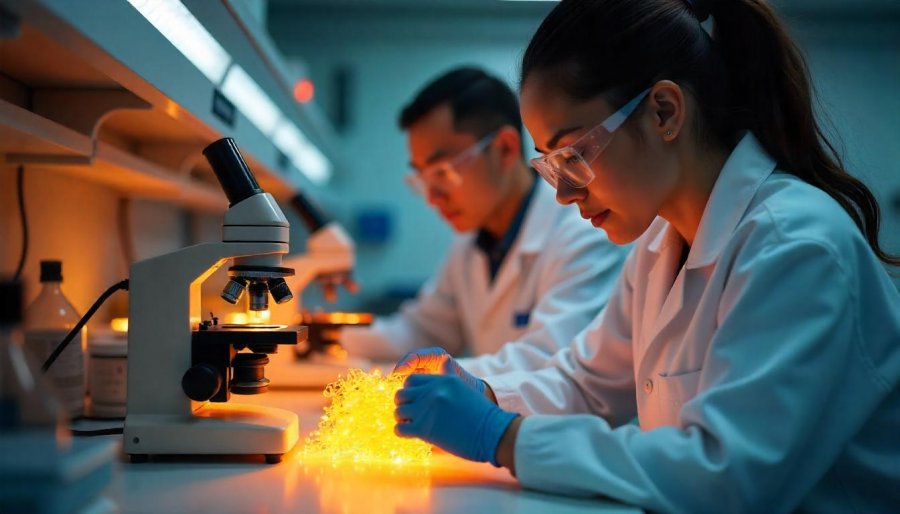
Uncovering Nylon’s Ubiquity in Modern Life
Nylon is everywhere in our daily environment, seamlessly woven into the fabric of modern life. From the stretchy leggings we wear for a workout to the durable carpets underfoot and the upholstery in our homes, nylon’s presence is both invisible and undeniable. Its popularity isn’t accidental; it results from a combination of strength, flexibility, and affordability that appeals to manufacturers and consumers alike. These qualities have helped nylon become a staple across countless industries, including fashion, home furnishings, outdoor gear, and industrial applications.
Despite how common it is, few of us stop to think about the journey this synthetic fiber takes from raw materials to finished product. We often overlook how nylon’s resilience makes it a long-lasting material, one that can persist in the environment for hundreds of years once discarded. This durability means that nylon waste accumulates in landfills and waterways, where it slowly breaks down into tiny microplastics. These microfibers are shed during washing, slipping past filters and polluting oceans—posing a threat to marine life and ecosystems around the world.
The story of nylon begins deep within the chemical industry, relying heavily on fossil fuels like oil and natural gas. Manufacturing involves refining these raw resources into basic chemicals such as benzene, adipic acid, and hexamethylenediamine. These ingredients are then combined through complex chemical reactions—called polymerization—that produce the long molecular chains forming nylon fibers. This process demands high heat and pressure, making it energy-intensive and environmentally impactful. Because nylon’s production depends on non-renewable resources, it is directly linked to industries that contribute significantly to climate change and environmental degradation.
Environmental costs extend beyond resource extraction. The chemical reactions involved in manufacturing nylon emit pollutants including volatile organic compounds (VOCs), greenhouse gases, and toxic intermediates. These emissions can harm local air quality, causing smog, respiratory issues, and health problems for nearby communities. Waste generated during production, if not properly managed, can leach into soils and waterways, damaging ecosystems and contaminating drinking water sources. This cycle of resource extraction, chemical transformation, and waste disposal highlights the hidden environmental toll embedded in nylon’s creation.
The energy required for every stage of nylon’s manufacturing process is substantial. From refining crude oil to polymer production, industries burn vast amounts of fossil fuels, releasing significant quantities of carbon dioxide and other greenhouse gases. This dependence on finite resources accelerates environmental harm, contributing to habitat destruction and climate change. As global demand for synthetic fibers grows, so does the pressure on these non-renewable sources, deepening the cycle of resource depletion and pollution.
Chemical waste from nylon production can be hazardous if mishandled. Spills or leaks of raw chemicals and intermediates pose risks to local environments, contaminating soil and water. Toxic solvents and intermediates may escape into ecosystems, causing long-lasting damage. Many manufacturing facilities are situated near vulnerable communities, increasing the risk of pollution-related health issues and environmental degradation. These persistent problems call for stricter regulations and cleaner, more sustainable production methods to lessen nylon’s ecological footprint.
Once in use, nylon’s resilience becomes a double-edged sword. Its resistance to natural decay means it can linger in landfills for centuries, slowly fragmenting into microplastics. During washing, tiny fibers shed from textiles often bypass wastewater treatment and enter oceans, where marine animals mistake them for food. The ingestion of these fibers can cause physical harm, disrupt food webs, and threaten biodiversity. As demand for nylon continues to rise worldwide, so does the challenge of managing its environmental impact—prompting the need for innovative solutions like recycled nylon and bio-based alternatives that can reduce its ecological footprint without sacrificing practicality.
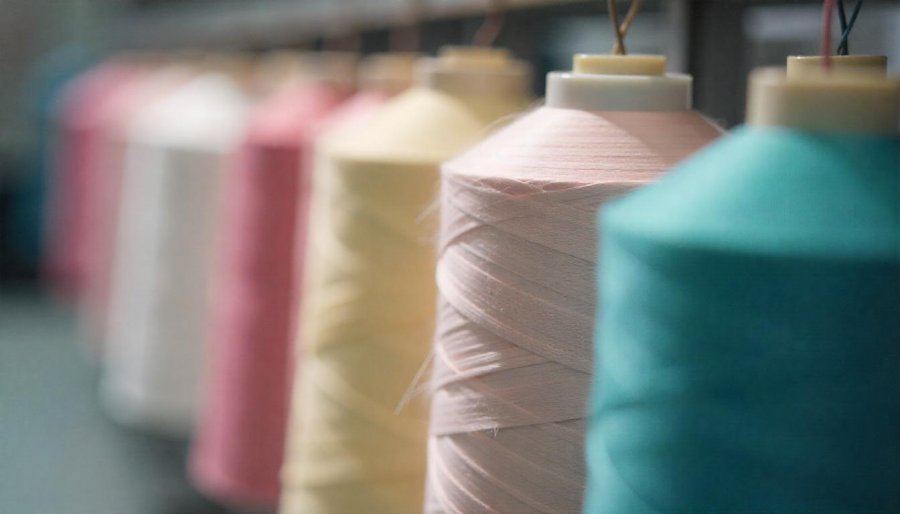
The Hidden Environmental Toll of Nylon Manufacturing
Nylon’s journey from raw materials to finished fiber begins deep within the chemical industry, relying heavily on fossil fuels such as oil and natural gas. The process starts with refining these resources to extract basic chemicals like benzene, adipic acid, and hexamethylenediamine. These chemicals are then subjected to complex reactions—known as polymerization—that link their molecules into long, chain-like structures forming the nylon fibers we use today. This transformation requires high heat and pressure, making the process energy-intensive and demanding significant industrial resources.
Every stage of nylon production demands vast amounts of energy, primarily derived from burning fossil fuels. The extraction and refining of oil and gas contribute substantial greenhouse gases, notably carbon dioxide and methane, which accelerate climate change. During polymerization, additional emissions of volatile organic compounds (VOCs) and other hazardous intermediates are released, impacting local air quality and posing health risks to nearby communities. These pollutants can cause respiratory problems, smog formation, and long-term health issues for residents living close to manufacturing facilities.
The manufacturing process also generates a variety of waste byproducts, some of which are toxic or hazardous if not properly managed. Raw chemicals, solvents, and intermediates can leak or spill, contaminating nearby soil and water sources. Many factories are situated near vulnerable environments or communities, increasing the risk of environmental damage and health problems from chemical exposure. Without strict regulations and advanced waste management practices, these pollutants can seep into ecosystems, harming wildlife and polluting drinking water supplies over time.
Chemical emissions from nylon production don’t just affect the local environment—they have global implications as well. The energy-intensive nature of refining and polymerizing nylon relies heavily on fossil fuels, which are finite and environmentally damaging. The release of greenhouse gases during these processes contributes to the overall carbon footprint of nylon manufacturing, further fueling climate change. As demand for synthetic fibers rises worldwide, the pressure to extract more fossil fuels intensifies, deepening the cycle of environmental degradation associated with nylon’s production.
In addition to emissions, the disposal of chemical waste during manufacturing presents ongoing challenges. Spills and leaks of toxic intermediates or solvents can cause persistent contamination if not properly contained. Many production sites are located near sensitive ecosystems or communities, heightening the risk of long-lasting damage. Improving waste management and adopting cleaner production techniques are essential steps to reduce nylon’s environmental impact, but widespread implementation remains a challenge due to costs and regulatory gaps.
All these factors combined paint a clear picture of nylon’s ecological footprint—one that extends beyond the factory walls into the broader environment. Its reliance on non-renewable resources, coupled with the pollution generated during production, highlights the urgent need for more sustainable alternatives. Innovations such as recycled nylon from waste materials or bio-based fibers derived from renewable sources could help break this cycle, reducing the industry’s reliance on fossil fuels and lowering its ecological toll. Addressing these issues requires coordinated efforts from industry, regulators, and consumers alike to foster a more sustainable future for our synthetic textiles.
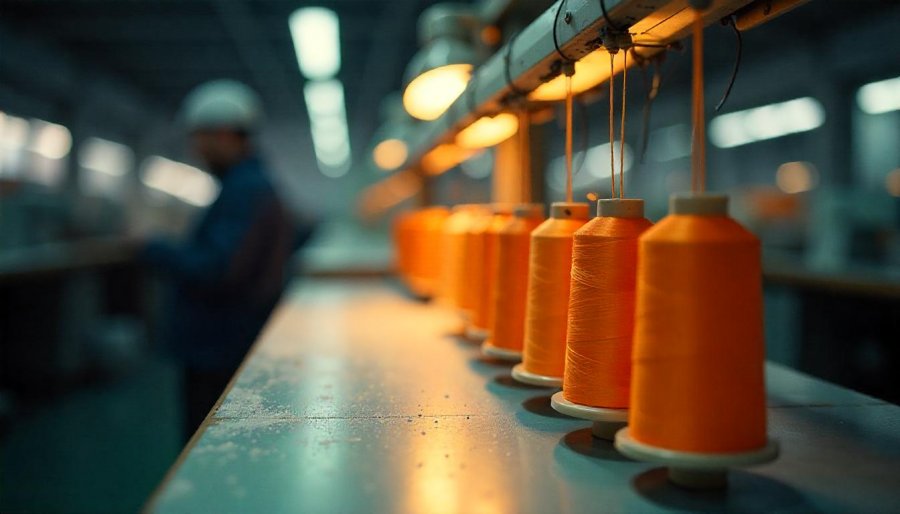
Nylon Today: Usage, Waste, and the Path Forward
Today, nylon remains one of the most common synthetic fibers, integrated into countless aspects of our daily routines. From the activewear and outdoor gear we wear to the carpets, curtains, and upholstery in our homes, its durability, elasticity, and affordability make it a go-to material across industries. Because of this widespread use, most of us encounter nylon regularly, often without considering where it comes from or the environmental toll it carries. Its convenience has made it an invisible yet essential part of modern life.
However, this convenience masks a significant environmental cost. Once the products made from nylon reach the end of their lifespan, they often end up in landfills, where their resistance to natural degradation becomes a long-term problem. Unlike natural fibers, nylon can persist for centuries, slowly breaking down into microplastics that contaminate soil and water. These tiny fibers are shed during washing, slipping past filtration systems and entering oceans, where they pose a risk to marine organisms and ecosystems. Fish, birds, and other marine life often mistake these fibers for food, ingesting them and suffering health issues that ripple through the food chain.
The impact of nylon use varies across regions, influenced by local consumption habits and waste management infrastructure. In developed countries like the U.S. and much of Europe, nylon dominates in activewear, fast fashion, and outdoor equipment—products that are washed frequently and discarded quickly, leading to high microplastic release. Conversely, in many developing regions, nylon is common in affordable clothing, household textiles, and industrial fabrics, often with less robust waste disposal systems. These differences mean that local ecosystems experience varying levels of pollution, with some areas bearing a heavier burden due to higher consumption rates and inadequate waste processing.
Nylon’s industrial role remains vital, especially in manufacturing durable goods such as automotive parts, electronics, and technical textiles. Yet, these products’ durability becomes a liability once they are discarded, as nylon’s resistance to decay causes waste to accumulate in landfills and ecosystems. The tiny microfibers shed during washing are released into water systems, often bypassing treatment plants and ending up in oceans. This ongoing cycle of production, use, and waste contributes heavily to the global microplastic crisis, threatening marine biodiversity and human health alike.
Beyond its end-of-life issues, nylon’s environmental footprint begins with its production. Relying heavily on fossil fuels like oil and natural gas, the process of creating nylon involves refining these resources into basic chemicals, which are then polymerized into fibers. This energy-intensive process releases significant greenhouse gases, including carbon dioxide and methane, which contribute to climate change. The chemical reactions involved emit volatile organic compounds and other pollutants, affecting local air quality and posing health risks for nearby communities. Many manufacturing plants are located near vulnerable populations, compounding the environmental and social impacts.
Chemical waste from nylon manufacturing presents another pressing challenge. Raw chemicals, solvents, and intermediates can spill or leak, contaminating soil and water if not properly managed. Many factories are situated near sensitive ecosystems or densely populated areas, heightening the risk of long-lasting environmental damage. Toxic intermediates can persist in the environment, harming wildlife and polluting drinking water sources. Despite advances in waste management and cleaner production techniques, widespread implementation remains inconsistent due to costs and regulatory gaps, leaving a significant ecological footprint behind.
Addressing these issues calls for a shift toward more sustainable practices and materials. Recycled nylon, made from discarded fishing nets, old garments, and industrial waste, offers a promising alternative that can reduce reliance on fossil fuels and cut pollution. Bio-based fibers derived from renewable sources like algae or plant polymers also hold potential for transforming the industry. Consumers can contribute by choosing products with recycled content, washing garments less frequently, and supporting brands committed to eco-friendly practices. Industry innovation, stricter regulations, and increased awareness are essential to move toward a future where nylon’s utility no longer comes at the planet’s expense.