Imagine transforming your daily walks from chaotic to calm, deepening your bond with your dog through simple, effective training. Mastering the art of walking calmly at your side isn’t just about obedience—it’s about building trust, safety, and mutual understanding. But how do you turn this ideal into reality? This guide reveals practical techniques, from establishing routines and positive reinforcement to tackling common challenges like distractions and stubbornness. With patience and consistency, even energetic or anxious dogs can learn to focus and walk politely, turning outdoor outings into peaceful, shared moments of connection. Are you ready to unlock a new level of harmony and confidence during your walks? The journey may require effort, but the rewards—less stress, safer outings, and a stronger bond—are well worth it. Step by step, you’ll discover how everyday routines can become opportunities for growth, trust, and joy.
Transform Your Daily Routine with Calm Dog Walking
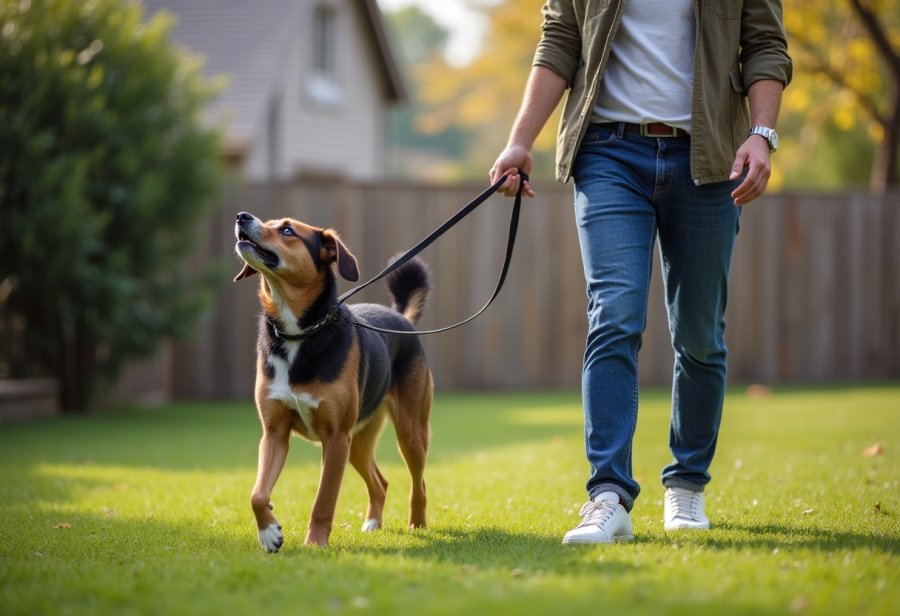
Walking your dog peacefully might seem straightforward, but in reality, it’s a skill that can transform your daily routine together. Calm walks aren’t just about preventing pulling; they’re about creating a sense of trust, safety, and enjoyment for both of you. When your dog walks at your side without fussing or tugging, it fosters harmony and mutual respect. This isn’t merely about obedience—it’s about strengthening your bond through patience, clear signals, and consistency.
A relaxed, focused walk turns a routine outing into a moment of connection. Instead of feeling frustrated or overwhelmed, you’ll find walks become calming shared experiences. A dog that walks calmly responds better to commands, stays more attentive, and feels more confident. Over time, these peaceful outings deepen your relationship, turning everyday walks into opportunities for trust and mutual understanding.
The importance of calm walking extends beyond convenience. It reduces safety risks, like pulling into traffic or getting tangled in the leash, and minimizes stress for both owner and dog. When your dog learns to walk politely, outings become more enjoyable and less stressful, making outdoor time something you both look forward to. This guide aims to equip you with practical techniques—such as consistent cues, positive reinforcement, and patience—to teach your dog to walk calmly at your side.
Building these skills isn’t an overnight process, but the rewards are worth the effort. Steady progress leads to trust, harmony, and joyful moments during each walk. Every small success brings you closer to peaceful outings that strengthen your bond and turn routine walks into shared experiences of respect and connection.
Foundations of Behavior and Consistency for Tranquil Walks
Understanding dog behavior and training principles is the foundation for teaching your dog to walk calmly. Dogs are naturally social animals, but each has its own personality, energy level, and background. Recognizing these traits helps you tailor your approach and set realistic expectations. Some breeds are eager to please, while others are more independent or stubborn. When you understand your dog’s unique temperament, it becomes easier to select effective training methods and remain patient through setbacks.
Consistency is key. Using the same commands, routines, and cues every time you go for a walk provides your dog with clarity and builds trust. When your dog knows what to expect, they’re more likely to respond calmly and confidently. Positive reinforcement remains the most effective strategy—reward your dog with treats, praise, or play whenever they walk nicely at your side. This creates a positive association with calm walking, encouraging future good behavior.
Gentle leash handling is equally important. Jerking or pulling can cause discomfort and resistance, so aim for steady, calm control. Harsh punishments should be avoided; instead, guide your dog patiently and kindly. Remember, training takes time, and setbacks are normal. Each small step forward enhances your bond and increases your dog’s understanding, making progress more sustainable.
Modern training methods focus on building trust and cooperation rather than dominance. They emphasize rewards and gentle guidance, which are especially effective for teaching leash manners. As your dog’s skills improve, adapting your techniques to suit their personality helps keep training enjoyable and successful. Establishing routines and clear signals ensures your dog understands what’s expected, setting the stage for calmer, more focused walks.
Building good habits and consistency creates a sense of security for your dog. When your training approach is steady and patient, your dog learns to relax and focus during outdoor outings. This not only makes walks more enjoyable but also deepens your connection. With time and practice, calm, confident walking becomes second nature—turning daily routines into moments of trust, respect, and shared joy.
Overcoming Common Challenges in Dog Walking
Many dog owners stick to familiar routines when they head out for walks, often just leash up and step outside without much thought. But in reality, these outings can quickly turn into sources of frustration. Dogs are naturally curious and easily distracted by scents, sounds, or passing vehicles, which often leads to pulling and wandering. Without consistent training or clear routines, attempts to correct this behavior tend to be ineffective, leaving both owner and dog feeling overwhelmed and discouraged.
This pattern can strain the bond between you and your pet, making outdoor time feel more like a chore than an opportunity for connection. Many owners struggle to manage their dog’s energetic or distracted reactions. It’s easy to assume these behaviors are just part of having a dog, but with better techniques and understanding, they’re often entirely addressable. Recognizing what’s happening during walks is the first step toward improvement—guiding your dog patiently with clear signals rather than resorting to punishment.
Inconsistent leash handling and unclear routines frequently make training more difficult. Without steady cues, dogs become easily distracted or anxious, pulling ahead or lagging behind. Owners who skip practicing in different environments or neglect reinforcement find it harder for their dogs to generalize calm walking. These common hurdles highlight the importance of small, deliberate adjustments that can make a big difference.
Fortunately, today’s training tools and methods are more accessible than ever. From harnesses that reduce pulling to step-by-step online guides, resources are plentiful. The key to success lies in consistent effort and patience. Even stubborn or easily distracted dogs can learn to walk peacefully with time, turning walks into enjoyable, bonding experiences rather than stressful routines.
By understanding these typical challenges, owners can approach training with realistic expectations and a clear plan. Recognizing setbacks as opportunities for growth helps maintain a positive attitude, fostering trust and cooperation. With steady practice and patience, calm, focused walks become attainable, transforming daily outings into moments of mutual respect and connection.
Budget-Friendly Tools and Costs for Peaceful Outings
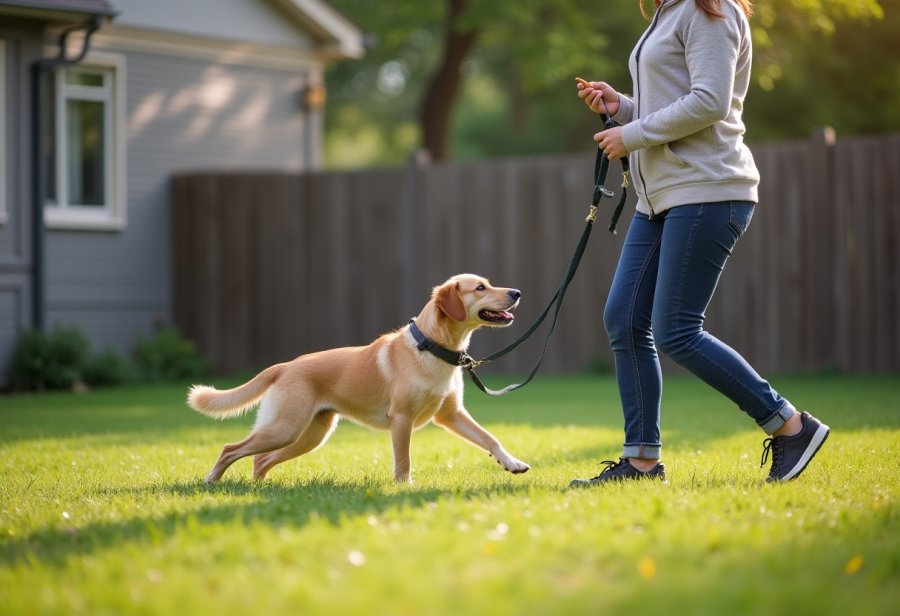
Training your dog to walk calmly at your side doesn’t have to break the bank, but understanding the costs involved helps you plan effectively. Basic equipment like a well-fitting harness, a sturdy leash, and tasty treats are affordable essentials that can be purchased for under $50. These tools lay a solid foundation for training and can be used repeatedly as your dog improves, making progress both effective and budget-friendly.
If you’re looking for personalized guidance, professional training classes or private lessons can range from around $100 to several hundred dollars. While this might seem like a bigger investment upfront, a trainer can tailor techniques to your dog’s needs, often accelerating progress and reducing frustration. For many owners, the benefits of expert advice outweigh the initial cost, especially when tackling stubborn behaviors or distracted dogs.
Ongoing expenses are generally minimal. Treats, toys, and training aids need replenishing from time to time, usually costing just a few dollars per purchase. Some owners opt for homemade treats or household items as cost-effective alternatives, maintaining a steady reinforcement routine without overspending. Consistent practice using affordable tools tends to produce the best results over time.
Quality equipment like anti-pull harnesses or training collars can make walks more comfortable and manageable for both you and your dog. While these may involve a slightly higher upfront cost, they often pay off by reducing pull-related frustration and making training sessions more efficient. Investing in good gear is a smart move that can streamline your journey toward calm, focused walks.
Remember, the goal isn’t to spend a fortune but to create a consistent, positive training environment. Many effective techniques rely on patience, routine, and positive reinforcement—tools that are often low-cost or free. By balancing affordable resources with steady effort, you can achieve peaceful walks that strengthen your bond without straining your budget.
Overall, the investment in proper tools and consistent practice pays dividends in safety, harmony, and enjoyment during outdoor outings. The satisfaction of seeing your dog walk calmly and happily at your side makes the effort worthwhile. With thoughtful planning and a clear approach, you can teach your dog to walk peacefully without financial stress, turning everyday walks into rewarding shared moments.
Real-Life Successes: How Calm Walking Enhances Daily Life
Training your dog to walk calmly can truly transform everyday routines, making them smoother and more enjoyable. Imagine starting your morning with a peaceful stroll around the neighborhood, your dog walking attentively beside you, unaffected by tempting scents or passing cars. These calm, focused walks aren’t just convenient—they’re safer, reducing the risk of your dog pulling into traffic or getting tangled in the leash. They also set a positive tone for the day, fostering a sense of trust and cooperation that extends beyond just walking.
In busier places like parks or pet-friendly cafés, a well-trained dog stays patient and relaxed, turning what used to be chaotic outings into moments of connection. Instead of lunging at other dogs or barking at strangers, your dog remains composed, allowing you to enjoy social interactions without stress or embarrassment. These behaviors not only make outings more pleasurable but also deepen your bond, as your dog learns to focus on you despite distractions.
Peaceful walks also cut down on frustration for both of you. A dog that walks politely responds better to commands, requiring fewer corrections and creating a more harmonious experience. Over time, you’ll notice your dog feeling more confident and less anxious outdoors, which can positively influence their behavior at home as well. These shared moments of calm become a foundation of mutual trust, reinforcing your connection with every step.
Seeing your dog respond calmly in various situations boosts your own confidence as a handler. It’s rewarding to witness how consistent training turns everyday walks into opportunities for growth and bonding. The results are clear: happier outings, a stronger relationship, and a more relaxed, well-behaved companion. Each peaceful walk becomes a shared achievement, making daily routines not just easier but more meaningful.
Your Step-by-Step Guide to Peaceful Walking Training
Starting your calm walking training involves establishing a simple, consistent routine in a quiet environment, like your backyard or a less busy street. Use a clear cue such as “heel” or “walk,” and immediately reward your dog when they walk beside you calmly. Keep the leash short but relaxed to maintain gentle control, and if your dog pulls or gets distracted, stop walking and wait patiently until they return to your side before moving forward. This teaches your dog that staying close and focused is what earns rewards and keeps the walk peaceful.
Once your dog responds reliably in quiet settings, gradually introduce more challenging environments like busy streets or parks. Keep training sessions short—around five to ten minutes—to prevent frustration and keep your dog engaged. Consistently reinforce good behavior, regardless of location, so your dog learns that calm walking applies everywhere. If they pull or become distracted, redirect with a command or treat, praise when they respond, and remain patient. Progress may be slow at first, but small, steady steps build strong habits.
As your dog’s skills improve, slowly increase the complexity of walks—more distractions, longer durations, or unfamiliar places. Continue rewarding calm, attentive behavior and avoid harsh corrections. Using the same cues and routines everywhere creates a clear pattern your dog can trust. Practice regularly, even after they master the basics, to maintain focus and confidence. Over time, calm walking will become second nature, turning daily outings into peaceful, bonding moments.
Building this habit takes time and perseverance. Keep routines consistent, celebrate small successes, and gradually challenge your dog with new environments. Incorporate quick refresher sessions weekly to reinforce behaviors and prevent regression. Patience is key—training is a journey, and steady effort leads to relaxed walks and a stronger bond.
Involve everyone who walks your dog in this process. Make sure family members or other handlers follow the same commands and routines. Consistency across all handlers helps your dog understand what’s expected, speeding up progress and making training more effective. This teamwork fosters a unified approach, ensuring your dog remains calm and focused regardless of who’s guiding them, making daily walks more enjoyable and less stressful for everyone.
Troubleshooting Common Issues for Stress-Free Walks
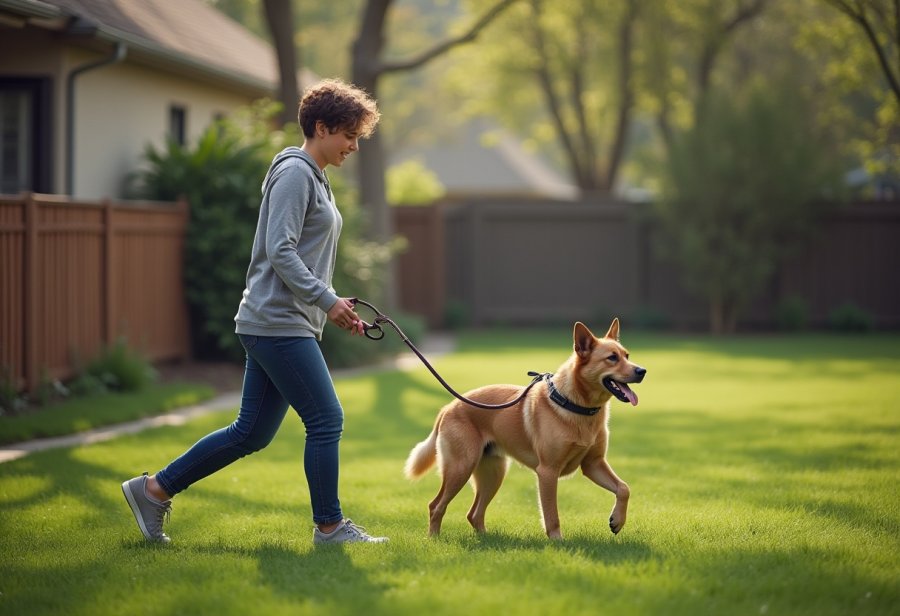
One of the biggest hurdles in teaching your dog to walk calmly is distraction. Dogs are naturally curious, and external stimuli like squirrels, passing cars, or other dogs can easily pull their attention away from you. When this happens, your dog might lunge or pull on the leash, making it hard to maintain control. Starting training in quiet environments helps your dog focus, but as they improve, gradually introducing more distractions is essential. Using high-value treats and keeping training sessions short can help your dog stay engaged and responsive even in busier settings.
Stubbornness or resistance can also pose a challenge, especially with energetic or independent dogs. Some simply don’t respond immediately or become overwhelmed easily. Patience is key here. Break training into small, manageable steps and reward every bit of progress. Consistent routines and positive reinforcement will help your dog build confidence and trust, making them more willing to focus during walks.
Anxiety may interfere with calm walking, particularly in shy or nervous dogs. These pets might resist walking altogether or become overly tense when faced with unfamiliar sights and sounds. A gentle, gradual approach works best—start in familiar, calm environments and slowly introduce new stimuli as they become more comfortable. Calming aids like treats or soothing scents can also help reduce stress and promote better behavior.
Pulling on the leash remains a common issue. Many owners instinctively pull back, which can escalate tension and resistance. Instead, try stopping and standing still when your dog pulls, waiting until they return to your side before moving forward. This teaches that calm, focused walking gets rewarded, while pulling doesn’t.
Dogs that lunge or bark at other animals or people can be difficult to manage. To address this, work on desensitization in controlled environments. Reward calm behavior when noticing distractions and gradually increase exposure. Consistent practice helps your dog learn that calmness is rewarded, even amidst excitement.
For anxious or hesitant dogs, revisit basic routines and reinforce calm behavior with treats and praise. Avoid rushing these steps; slow, steady exposure helps your dog feel secure. Over time, they learn that new places aren’t stressful and that calm walking can be maintained everywhere.
Recognizing these common challenges early allows you to adapt your training approach. Instead of reacting with frustration, see setbacks as opportunities to reinforce good habits and build confidence. Patience and gentle guidance foster trust and make progress more sustainable.
If issues persist despite your best efforts, consulting a professional trainer can provide tailored strategies. Their expertise can help you navigate stubborn behaviors or high distractions, ensuring your journey toward peaceful walks remains positive and effective.