In an era where communication agility determines business success, Grandstream’s innovative telephony solutions promise to revolutionize your network—are you ready to unlock unprecedented efficiency? Their range of high-definition IP phones, especially the GRP series, combines ease of deployment with robust security, perfect for scaling operations across multiple locations effortlessly. By leveraging cloud management platforms like GDMS, organizations can remotely provision, monitor, and troubleshoot thousands of devices—minimizing downtime and maximizing productivity. But what if your current system isn’t flexible enough to support rapid growth or remote work? Here lies the power of customizable telephony: seamless integration, enhanced security, and simplified management that adapt to your evolving needs. As traditional landlines give way to scalable, cloud-based networks, the question isn’t just about technology—it’s about how swiftly your business can transform its communication landscape to stay ahead in a competitive world. Are you prepared to make the leap?
Enhance Your Business Communications with FiberConX’s Advanced VoIP Solutions in Canada
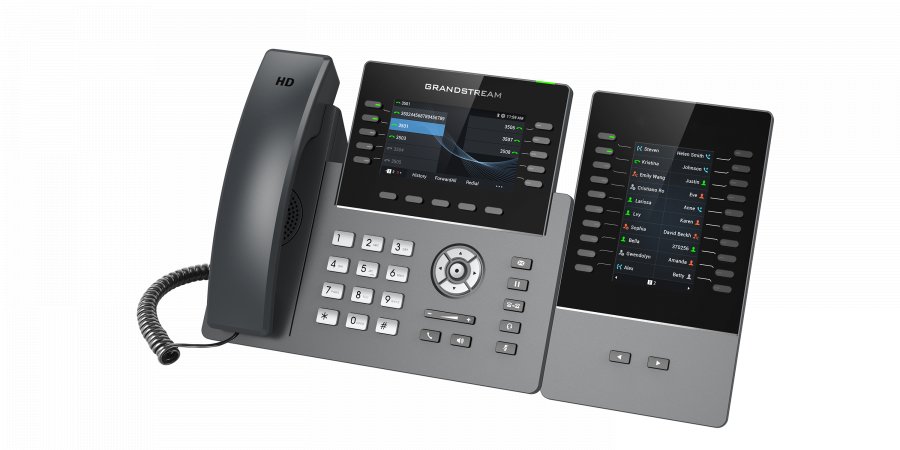
Discover how FiberConX Communications can transform your business communications with our reliable VoIP and IP phone services tailored for Canadian companies. Our solutions feature advanced voicemail, interactive IVR systems, customizable Ring Groups, and voicemail-to-mail functionalities, ensuring seamless connectivity and professional customer interactions. Whether you’re managing multiple departments or need efficient call routing, our services are designed to meet your unique needs. For more information, visit FiberConX and inquire about GRP2634. Contact our sales team at [email protected] or call 1.800.961.6856 to elevate your business communication infrastructure today.
Revolutionize Business Communication with Customizable Telephony Solutions
In today’s fast-moving business landscape, having a flexible communication system isn’t just a perk—it’s a necessity. Companies need solutions that can adapt quickly to changing demands, support remote teams, and integrate smoothly with existing infrastructure. This is where customizable telephony systems come into play, offering tailored features that align with unique organizational needs. From managing high call volumes to securing sensitive conversations, these systems give businesses the agility to operate efficiently and stay ahead.
Traditional phone setups often fall short when it comes to flexibility and scalability. They tend to be rigid, expensive to update, and cumbersome to expand, especially for growing organizations. Modern telephony, built on IP and cloud technologies, breaks down these barriers by providing scalable, easy-to-manage solutions. This shift allows businesses to deploy new features or add users without major hardware overhauls, saving time and resources while enhancing overall communication quality.
Grandstream has positioned itself as a leader in this evolving space, offering a range of devices designed specifically for customization and ease of deployment. Their IP phones, particularly the GRP series, combine high-definition audio, security, and user-friendly interfaces. These devices are crafted for mass deployment and can be configured remotely, making them ideal for organizations looking to streamline setup and management across multiple locations. This flexibility simplifies growth and ensures consistent user experiences.
A key advantage of Grandstream’s approach is its seamless integration with cloud management platforms like GDMS. These centralized control systems empower administrators to provision, monitor, and troubleshoot hundreds or thousands of devices from anywhere. This not only reduces the need for on-site IT support but also accelerates deployment timelines, enabling organizations to respond swiftly to evolving business needs without sacrificing reliability or security.
In essence, customizable telephony solutions from Grandstream are redefining how businesses communicate. They enable organizations to craft systems that are tailored, scalable, and easy to manage—supporting remote work, expanding operations, and enhancing overall efficiency. As communication becomes more critical than ever, these adaptable systems ensure your business stays connected, responsive, and ready for whatever comes next.
Core Technologies Powering Modern Telephony: VoIP, IP Phones, and Cloud Management
Modern telephony systems are built on the foundation of Voice over Internet Protocol (VoIP), a technology that has revolutionized how businesses communicate. Instead of relying on traditional landlines with dedicated copper wires, VoIP converts voice signals into digital data packets that travel across the internet. This shift not only reduces costs significantly but also unlocks a host of advanced features like call forwarding, voicemail-to-email, and real-time conferencing—all accessible through a unified platform. By leveraging existing internet infrastructure, VoIP allows organizations to scale and upgrade their communication systems with greater flexibility and fewer expenses.
At the core of these digital systems are IP phones, specially designed devices that connect directly to a network. Unlike traditional phones dependent on physical lines, IP phones serve as high-tech endpoints capable of handling voice data in real time. They come equipped with high-definition audio, programmable keys, and multi-line support to cater to various user needs—from receptionists managing multiple calls to remote workers needing seamless connectivity. The ability to manage these phones remotely simplifies deployment and ongoing maintenance, making it easier for IT teams to keep systems updated, troubleshoot issues, and customize features.
Cloud management platforms have transformed the way organizations oversee their telephony networks. Instead of configuring each device manually, businesses now rely on centralized control systems that enable remote provisioning, monitoring, and troubleshooting from anywhere with an internet connection. These platforms provide real-time insights into call quality and system health, allowing proactive management of potential issues before they impact operations. Automatic firmware updates, pushed securely through the cloud, ensure devices stay protected against vulnerabilities and perform optimally without manual intervention.
Scalability is a major advantage of modern telephony technology. As your business grows, adding new users or expanding to multiple locations becomes straightforward. VoIP and IP phones are inherently designed to support effortless expansion, with cloud management platforms simplifying the process even further. Deployments that once took days or weeks can now be completed within hours, saving both time and resources. This flexibility allows organizations to adapt quickly to changing demands without overhauling their entire infrastructure, ensuring future-proof communication networks.
Security and reliability are integral to maintaining seamless digital telephony. Encryption protocols safeguard conversations from eavesdropping, while Quality of Service (QoS) settings prioritize voice traffic to maintain clear calls during busy network periods. Regular firmware updates delivered via cloud platforms patch vulnerabilities and enhance device resilience, ensuring the communication environment remains trustworthy and robust. These features work together to support high-quality, secure conversations across dispersed teams, helping organizations stay connected and responsive in a fast-moving world.

Adapting to Today’s Business Needs: The Shift Toward Flexible, Cloud-Driven Telephony
Today’s business landscape demands telephony solutions that are not just reliable but also highly adaptable to rapid technological and operational changes. Companies seek systems capable of supporting remote teams, scaling effortlessly, and integrating seamlessly with digital platforms. Cloud-managed telephony platforms, like those from Grandstream, have become essential because they enable real-time monitoring, automatic updates, and centralized control, making it easier to maintain high call quality and minimize downtime across dispersed locations. This flexibility helps organizations stay responsive and competitive in a fast-evolving environment.
Many businesses still operate with a mix of traditional and modern systems, each presenting its own set of challenges. Smaller companies often use basic VoIP phones that are quick to deploy but lack advanced features, limiting their flexibility. Larger enterprises face complex setups with multiple device types, remote users, and cloud integrations, which can lead to compatibility issues and management headaches. These scenarios highlight the need for scalable, intuitive solutions that can adapt to changing demands without requiring costly infrastructure overhauls.
Devices like Grandstream’s IP phones are designed to meet these needs by offering scalability and easy remote management. Their high-definition audio, programmable keys, and security features support diverse workflows, from reception desks to remote workstations. These phones can be configured remotely via cloud management platforms, reducing setup time and ensuring consistent user experiences across multiple locations. This ease of management supports growth and helps maintain a cohesive communication environment as organizations expand.
Traditional telephony systems, often reliant on fixed hardware and on-premises setups, tend to be costly and inflexible. Modern solutions leverage IP and cloud technology to support quick deployment and expansion. Whether adding new users or establishing new sites, these systems adapt rapidly, saving time and resources. This shift not only boosts operational efficiency but also future-proofs organizations against ongoing technological advancements.
Remote work has accelerated the importance of flexible, cloud-based communication tools. Platforms from Grandstream enable quick onboarding, remote provisioning, and reliable performance across all endpoints. This ensures hybrid teams stay connected and productive without sacrificing security or call quality. As telephony solutions evolve, their ability to support dispersed, dynamic workforces makes them a cornerstone of modern business communication.
In this context, the current telephony landscape is defined by a move toward unified, scalable, and user-friendly systems. Organizations are increasingly prioritizing solutions that can be tailored to their specific needs, whether through customizable hardware or cloud-based management. This approach ensures that companies can respond swiftly to growth, technological changes, and the demands of a remote or hybrid workforce.
The integration of advanced features like call forwarding, voicemail-to-email, and conferencing into these platforms means organizations can streamline workflows and enhance customer interactions. With centralized control and real-time insights, businesses can proactively address issues, optimize call quality, and adapt settings on the fly. This agility translates directly into improved efficiency and customer satisfaction.
Overall, the landscape of business communication is shifting from static, hardware-dependent systems to dynamic, cloud-enabled networks. This transformation empowers organizations to operate more flexibly, securely, and efficiently. As telephony technology continues to evolve, those who leverage customizable, cloud-managed solutions like Grandstream’s offerings will be best positioned to thrive in an increasingly connected world.
Grandstream Devices and Solutions: Empowering Scalable, Secure Communication
Grandstream’s range of devices is crafted to support flexible, scalable telephony deployments that transform how organizations communicate. Their IP phones, especially the GRP series, combine high-definition audio, intuitive interfaces, and robust security features, making them suitable for a wide variety of environments—from small offices to large enterprises. These phones are designed for mass deployment and can be configured remotely, streamlining the setup process and reducing the need for on-site technical support. Their ease of management helps organizations quickly adapt to changing needs without disrupting daily operations.
A key strength of Grandstream’s offerings lies in their compatibility with cloud management platforms like GDMS. This centralized system allows administrators to efficiently provision, monitor, and update thousands of devices from any location. Remote management capabilities eliminate the need for on-site visits, accelerating deployment and minimizing errors. With real-time insights into device performance and call quality, teams can troubleshoot issues proactively, ensuring consistent reliability across all endpoints.
Beyond hardware, Grandstream provides a comprehensive ecosystem that enhances productivity and user experience. Their devices support multiple lines, conference calling, softphone integration, and customizable keys, enabling users to tailor their communication workflows. These features help streamline daily tasks, reduce errors, and improve responsiveness, making it easier for organizations to build personalized communication systems that meet their unique requirements.
Security and reliability are built into every device. Many models include encryption protocols that safeguard conversations from cyber threats, while support for Quality of Service (QoS) ensures high call quality even during peak network traffic. Firmware updates are delivered securely via cloud management, keeping devices protected against vulnerabilities and ensuring optimal performance without manual intervention. This focus on security and stability helps create a dependable, future-proof communication infrastructure.
Deploying Grandstream’s devices at scale is straightforward thanks to their centralized management tools. IT teams can remotely configure settings, troubleshoot problems, and push updates across all endpoints. This not only speeds up deployment but also maintains uniform security standards and user experiences. With these solutions, organizations can confidently grow their telephony infrastructure, knowing their communication systems are adaptable, secure, and easy to manage, supporting their evolving business needs seamlessly.

Step-by-Step Guide to Planning, Deploying, and Optimizing Your Custom Telephony System
Planning your custom telephony system starts with a clear understanding of your organization’s unique communication needs. Consider factors like team size, remote working requirements, security concerns, and existing infrastructure. Clarifying these points helps determine whether a cloud-based, on-premises, or hybrid setup will best serve your operations. Knowing which features—such as call routing, voicemail, or conferencing—are essential guides your device choices and deployment strategy. This upfront clarity ensures your system supports current workflows and scales smoothly as your business grows.
Once you’ve mapped out your needs, selecting the right devices and management tools becomes critical. Grandstream’s IP phones, especially the GRP series, are designed for scalable deployment and remote configuration, making them ideal for expanding teams or multiple locations. Using a cloud management platform like GDMS allows you to provision, monitor, and update devices from anywhere, reducing setup time and minimizing errors. This centralized control simplifies large-scale deployments and keeps your communication environment consistent and reliable.
Deployment should be approached methodically. Develop a detailed rollout plan that includes device templates, network configurations, and security protocols. Testing configurations in a controlled environment helps catch issues early, avoiding disruptions during full deployment. During implementation, leverage centralized management to assign profiles, activate features, and ensure uniform settings across all endpoints. This reduces downtime and creates a seamless experience for users across locations, supporting smooth adoption and ongoing operations.
Monitoring your system continuously is key to maintaining performance. Cloud management tools provide real-time insights into call quality, device health, and network status. Setting up alerts for unusual activity or potential failures allows you to troubleshoot proactively, preventing disruptions. Regular feedback from users highlights areas for improvement, guiding fine-tuning efforts. This ongoing oversight keeps your communication network resilient, efficient, and adaptable to evolving needs.
Growing your telephony system doesn’t need to be complicated. With cloud platforms, adding new users or expanding to additional sites becomes straightforward through pre-configured templates. Keeping firmware and security patches up to date remotely ensures your system remains protected and performs optimally. Periodic reviews of capacity and network settings help manage increased traffic as your business scales. Taking a proactive, flexible approach ensures your communication infrastructure remains robust, ready to support your organization’s growth at every stage.